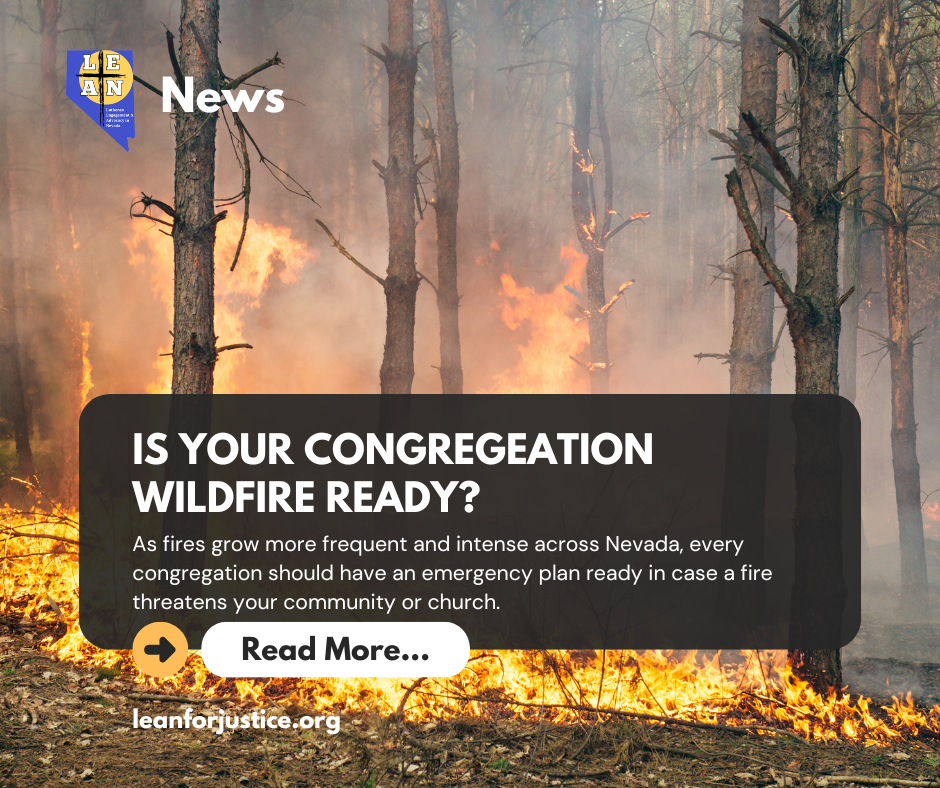
Wildfires don’t just happen—they’re fueled by a changing climate. Investing in clean energy and resilient communities helps prevent catastrophic fires. Protecting our planet means protecting our neighbors.
Faith calls us to care for creation and for one another.
Here at LEAN, we celebrate the ways Lutheran churches across Nevada are putting their faith into action, addressing real concerns in their communities with courage, compassion, and hope. Together, we walk in faith. Together, we walk for justice. Together, we walk with our neighbors.
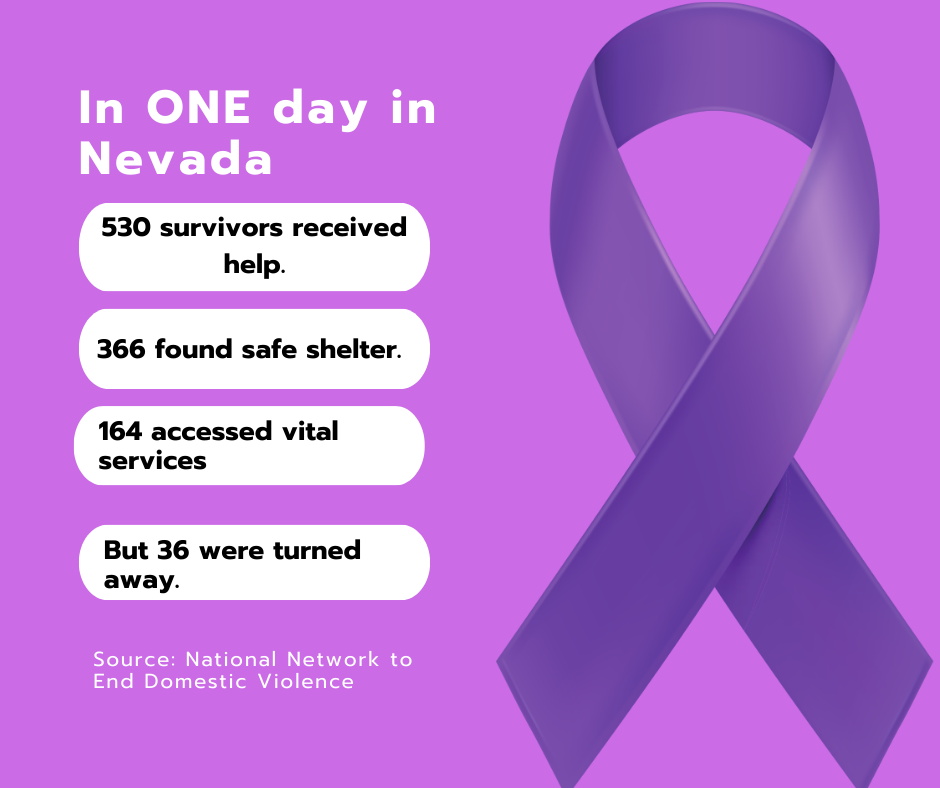
Every day in Nevada, survivors seek safety, shelter, and hope. On one single day last year: 530 survivors received services 366 adults & children found safe shelter 164 survivors accessed vital non-residential support 36 people were turned away because resources ran out
These numbers aren’t just statistics. They are neighbors, families, and community members.
At LEAN, we advocate for policies that ensure no survivor is ever turned away. Together, we can make Nevada a place where everyone can live free from violence.
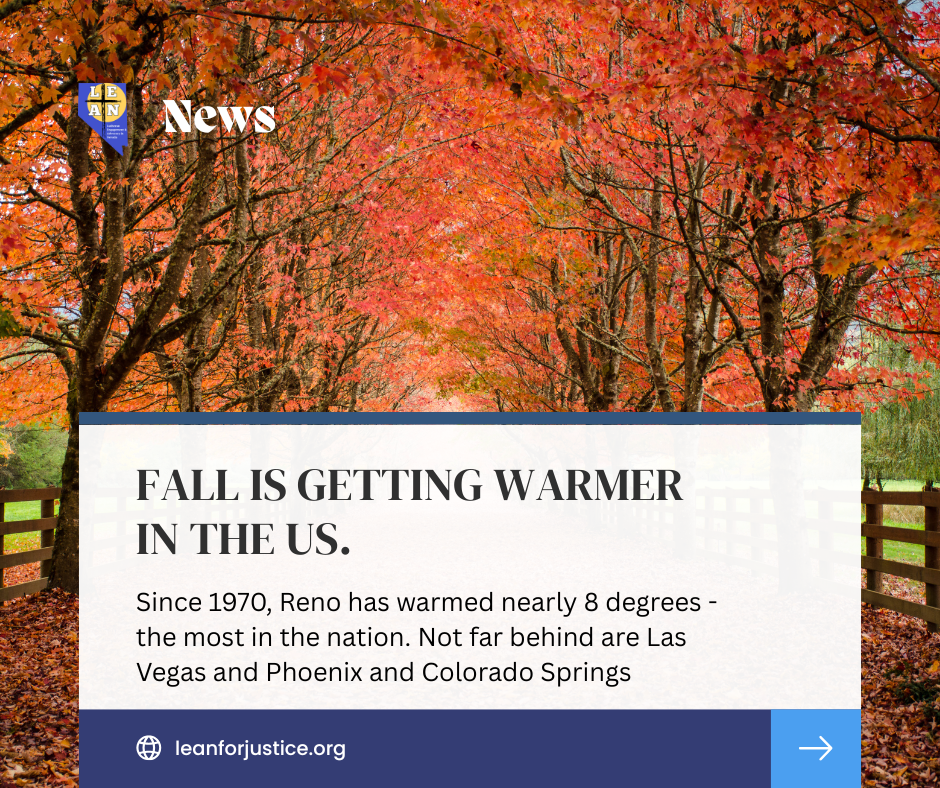
Extra heat brings real challenges for our communities:
Rising costs: Families already stretched thin face higher utility bills just to keep cool.
Health impacts: Extreme heat worsens asthma, heart conditions, and puts elders, children, and outdoor workers at risk.
Wildfire danger: Longer, more intense fire seasons threaten our neighborhoods.
These aren’t just “weather problems.” They’re justice issues. Low-income and marginalized communities are hit hardest, with fewer resources to adapt and recover.
As people of faith, we are called to love our neighbors and protect creation. That means advocating for policies that reduce emissions, invest in clean energy, and ensure resources reach those most vulnerable.
Together, we can build a Nevada—and a West—where everyone has the chance not just to survive, but to thrive.
A resource from Lutheran Engagement and Advocacy in Nevada (LEAN)
“God is our refuge and strength, a very present help in trouble.” – Psalm 46:1
Wildfires are becoming more frequent and intense across Nevada. Preparing now helps our congregations live out our call to love our neighbors and protect the most vulnerable.
1. Protect People
Make sure your congregation has an up-to-date emergency contact list for members.
Identify who may need extra help in an evacuation (elders, disabled, unhoused neighbors).
Share evacuation routes and local shelter information during worship and newsletters.
2. Protect Property
Clear brush, debris, and flammable material from around church buildings.
Check fire extinguishers, alarms, and sprinklers—are they working?
Back up important records and store them in the cloud or off-site.
3. Protect Community
Create a plan to check in on members and neighbors after a fire.
Partner with local organizations to provide water, cooling stations, or shelter if needed.
Designate your church as a communication hub for updates if internet/power goes down.
4. Protect Ministry
Develop a plan for how worship, food ministries, or mutual aid can continue in an emergency.
Train leaders in trauma-informed care—wildfires bring not only physical loss but emotional impact.
Pray and teach about creation care: resilience, climate justice, and loving our neighbors.

 Lutheran Engagement and Advocacy in Nevada