On this Earth Day, we recognize that the climate crisis does not affect all communities equally, and that climate justice must be intersectional to be truly just. LEAN is committed to addressing the climate crisis while confronting the inequities that impact communities across Nevada.
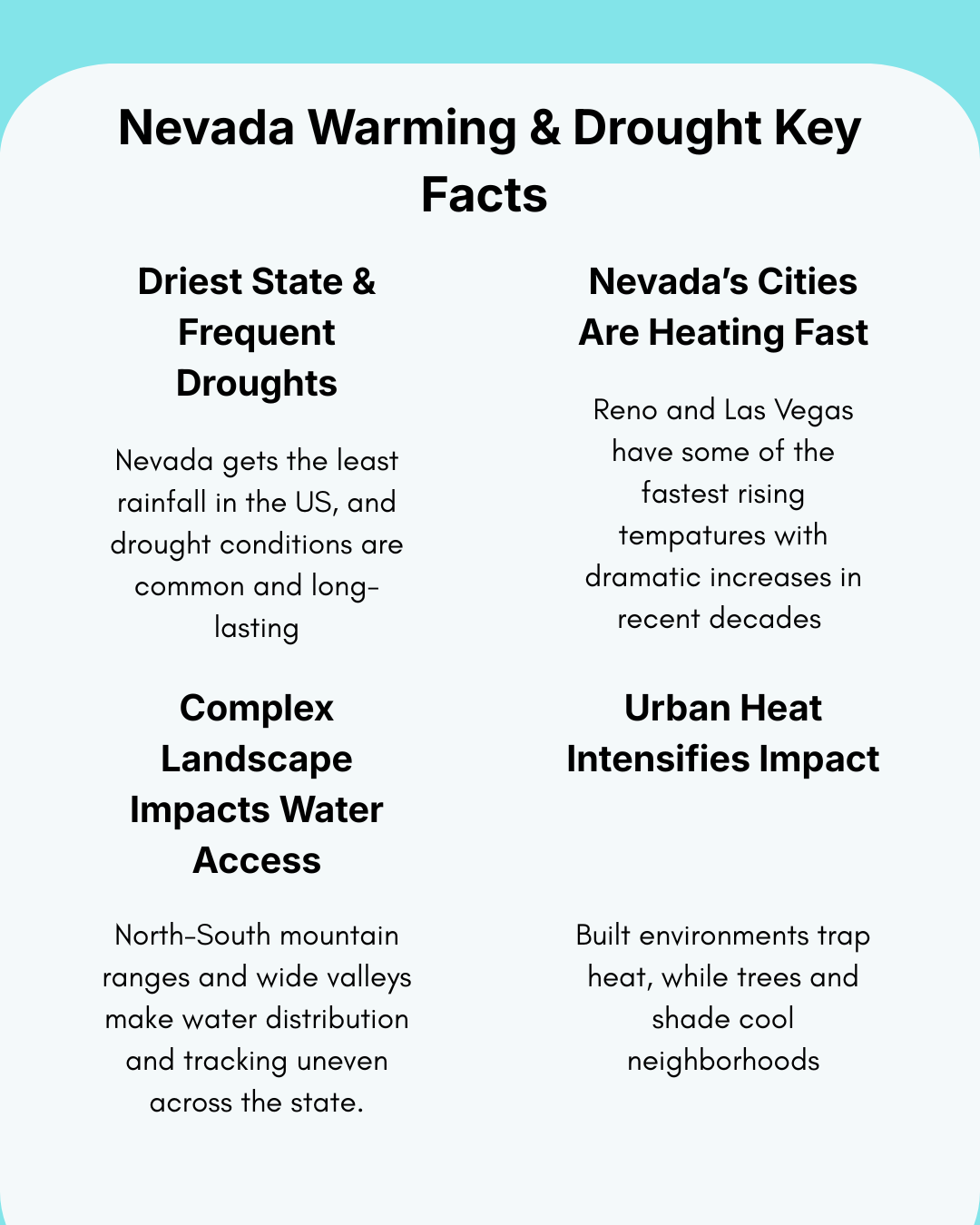
Nevada is the driest state in the United States, with constant drought and uneven water access, especially in rural areas. At the same time, Reno ranks #1 and Las Vegas #2 for fastest-rising temperatures, making extreme heat a growing threat.
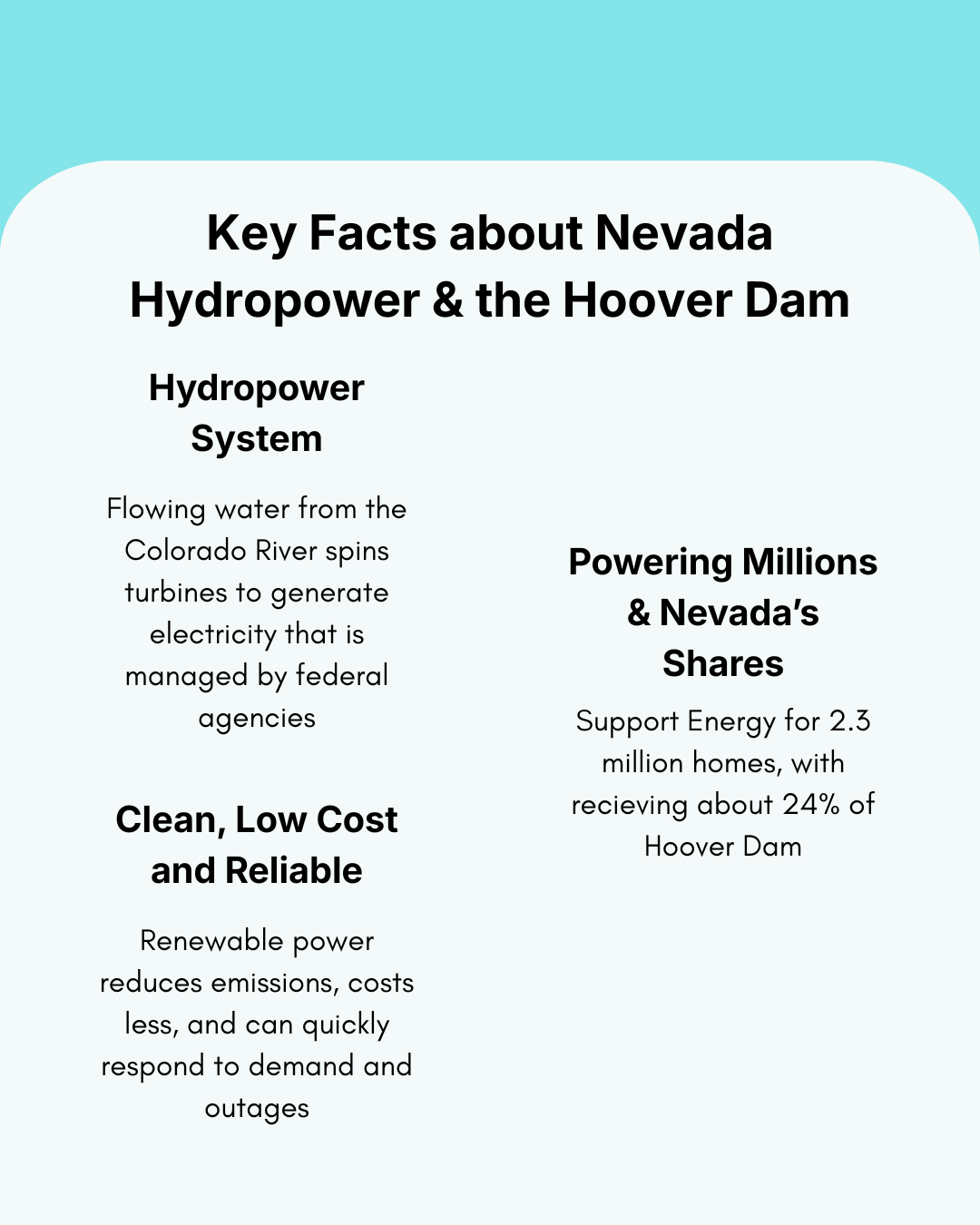
Clean energy like Hoover Dam helps power millions with renewable, low-cost energy, but more action is needed.
Nevada is on the frontlines of climate change, and we can lead the way.
Smarter water solutions
More shade, cooler communities
Stronger clean energy
Let’s build a future that works for people and the planet.
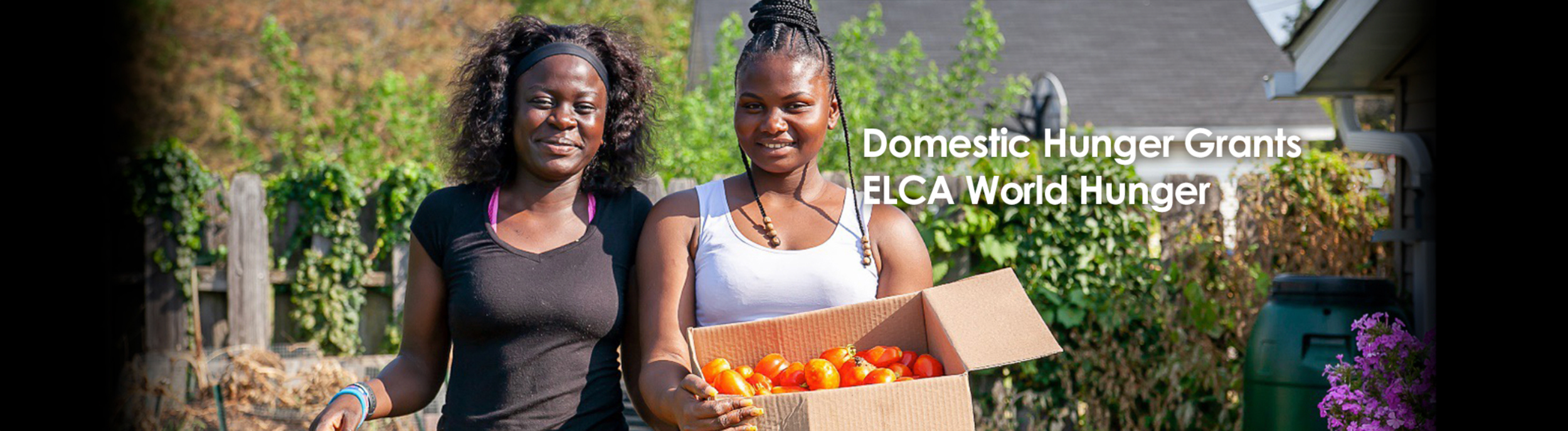
Applications for ELCA World Hunger’s 2027 Domestic Hunger Grants are open! To learn more about submitting a Letter of Inquiry (LOI), grant partnership eligibility, and our granting priorities, please visit the Domestic Hunger Grants website.
Grant Awards. Awards will be for a three-year cycle, with a maximum award of $10,000 per year, contingent upon fund availability and the completion of annual evaluations. New applications are accepted annually. The application period typically opens in spring.
Priority Focus Areas. Domestic Hunger Grant Application draw on the strengths of communities to identify and address local issues such as:
Food security
Clean water
Housing
Job access
Human rights
Policy change
Prior to submitting a full grant proposal, grant applicants are asked to fill out a letter of inquiry (LOI) which briefly describes the project proposal. Registering on our granting portal, ELCA GrantMaker, is not required at this step.
To view the questions in the LOI form in advance of applying please click here.
Para ver las preguntas en el formulario de carta de consulta antes de presentar la solicitud, haga clic aquí.
The Domestic Hunger Grant application for 2027 awards opens April 15, and we look forward to your collaboration in promoting the opportunity to ministries! Please refer to the new application cycle below and spread the word.
Letter of inquiry form open: April 15 – July 1, 2026
Letter of inquiry review: July 13 – September 15, 2026
Response to the letter of inquiry (decline or accept): October 30, 2026
Invited applicants to complete grant application in ELCA GrantMaker: October – December 2026
Review and communication between ELCA World Hunger staff and grant applicants on proposal: October – December 2026
Award notifications shared with applicants: January 2027
2027 Domestic Hunger Grants start date: March 1, 2027
Let us not succumb to the divisiveness of our world but rather join together to fight the great injustice that is having some of us fed and others who are not. Thank you for your creative, courageous work toward a just world where all are fed. If you have any questions, please contact us at hunger@ELCA.org
Help ensure that those seeking safety will retain the ability to meet their needs in our communities. Take action today!
On Feb. 23, 2026, the U.S. government announced a proposed rule that would effectively shut down access to work permits for asylum seekers. Under this rule, according to the government’s own estimate, it could take up to 173 years before new work permit applications are accepted again. The rule would also make some renewals harder for those who already have work permits, and it offers no plan to fix the massive asylum backlog that created these delays in the first place.
In the ELCA, “We oppose practices that create unreasonable obstacles and unattainable standards of proof for those seeking asylum” (ELCA social message on “Immigration,” p. 10) and affirm that “all residents, asylum-seekers, and refugees in the United States are to be protected as neighbors, even as they await determination of immigration status in the courts” (ELCA social message on “Government and Civic Engagement in the United States: Discipleship in a Democracy,” p. 13).
We also believe that dignified work is part of God’s plan for creation. Stripping people of the ability to work will make asylum seekers more vulnerable to exploitation, hunger or despair while simultaneously weakening the communities that have welcomed them and benefit from their contributions.
This rule is not final. From now until Apr. 24, 2026, the government is accepting public comments on the proposal. By law, every unique, substantive comment must be read and addressed before the rule can move forward.
Use this ELCA Action Center form to call on members of Congress to raise their voices to oppose this rule and speak out against its implementation, ensuring that those seeking safety will retain the ability to meet their needs in our communities.
Personalize your public comment and message to Congress to oppose this rule and speak out against its implementation, ensuring that those seeking safety will retain the ability to meet their needs in our communities.
THANK YOU for joining the ELCA in advocating for asylum seekers!
Today is an important day for the Reno City Council.
A city ordinance on data centers within Reno city limits is being discussed, an issue that will shape energy use, water resources, land development, and the long-term sustainability of our community.
At Lutheran Engagement and Advocacy in Nevada (LEAN), we pay attention not only to decisions at the Legislature, but also to what happens in city council chambers. These local decisions directly impact our neighborhoods, our environment, and our shared future.
And it’s not just about infrastructure.
Your local vote also shapes justice in your community. City council members make key decisions regarding incareration about funding, programs, and ordinances that influence incarceration rates, rehabilitation efforts, and policing policies right where we live.
These decisions are not abstract, they are deeply connected to the well-being of our neighbors.
As people of faith, we are called to show up, to stay informed, and to advocate for policies that reflect dignity, justice, and care for creation.