LEAN Priorities: Water is Essential…

Water is life. Yet in the driest state in the nation, too many Nevadans lack access to clean, safe, and affordable drinking water.

This burden falls disproportionately on:

  • Tribal communities
  • Immigrant and farmworker families
  • Rural households relying on domestic wells
  • Low-income neighborhoods served by small or aging water systems

In a state defined by drought and scarcity, water access is not only an environmental concern, it is a matter of public health, economic justice, and human dignity.

Nevada Realities

  • Nevada receives less than 10 inches of precipitation annually, making it the driest state in the U.S.
  • More than 20,000 Native people in Nevada have lacked complete indoor plumbing, a sign of ongoing infrastructure inequity.
  • Groundwater over-pumping threatens long-term water security for communities, agriculture, and ecosystems.
  • When water is unsafe, families must rely on expensive bottled water, forcing impossible choices between water, food, housing, and medicine.

Water insecurity in Nevada is both geographic and racial, reflecting historic underinvestment and ongoing economic inequality.

Why This Matters to Lutherans

Water is central to our faith.

In baptism, we are:

  • welcomed into the body of Christ
  • marked with God’s promise
  • called into a life of love for our neighbor

If some of our neighbors cannot safely drink from their own tap, the church is called to respond.

As the ELCA teaches:

  • Caring for Creation: Water is a sacred trust, not a commodity to be used without regard for future generations.
  • Sufficient, Sustainable Livelihood for All: Access to basic resources like water is essential for human dignity.
  • Human Rights: Clean water is necessary for health, life, and community.

Because we are people of baptism, water justice is a faith issue.

LEAN supports policies and public investments that:

1. Strengthen Water Infrastructure

  • Fund upgrades for rural and small community water systems
  • Prioritize underserved and historically excluded communities

2. Support Tribal Water Access and Sovereignty

  • Honor and implement Tribal water rights
  • Invest in safe and reliable water infrastructure for Tribal nations

3. Protect Rural Nevadans Using Domestic Wells

  • Provide free or low-cost well testing
  • Expand access to arsenic and nitrate treatment systems

4. Ensure Water is Affordable

  • Create equitable rate structures
  • Prevent water shutoffs for vulnerable households

5. Safeguard Nevada’s Water Future

  • Promote responsible groundwater management
  • Protect water for people, ecosystems, and future generations

A Matter of Faithful Witness

At the font, we proclaim that water is a sign of God’s grace for all people.

That promise calls us into public life so that every household in Nevada—urban, rural, and Tribal—has access to water that is:

Safe
Reliable
Affordable

Water is life.
Water is dignity.
Water is a sacred trust.

LEAN Priorities: Public Lands in Nevada: A Sacred Trust

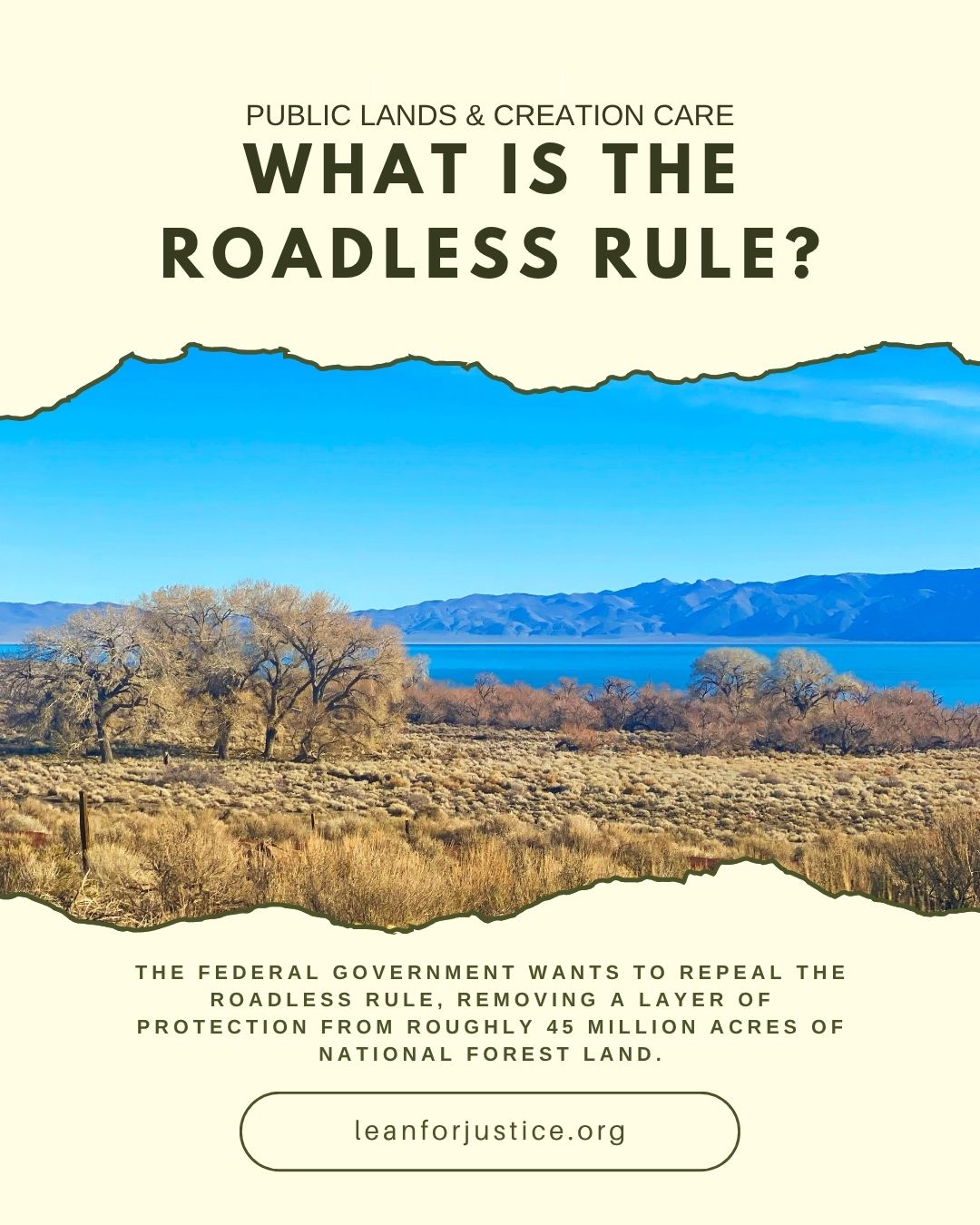
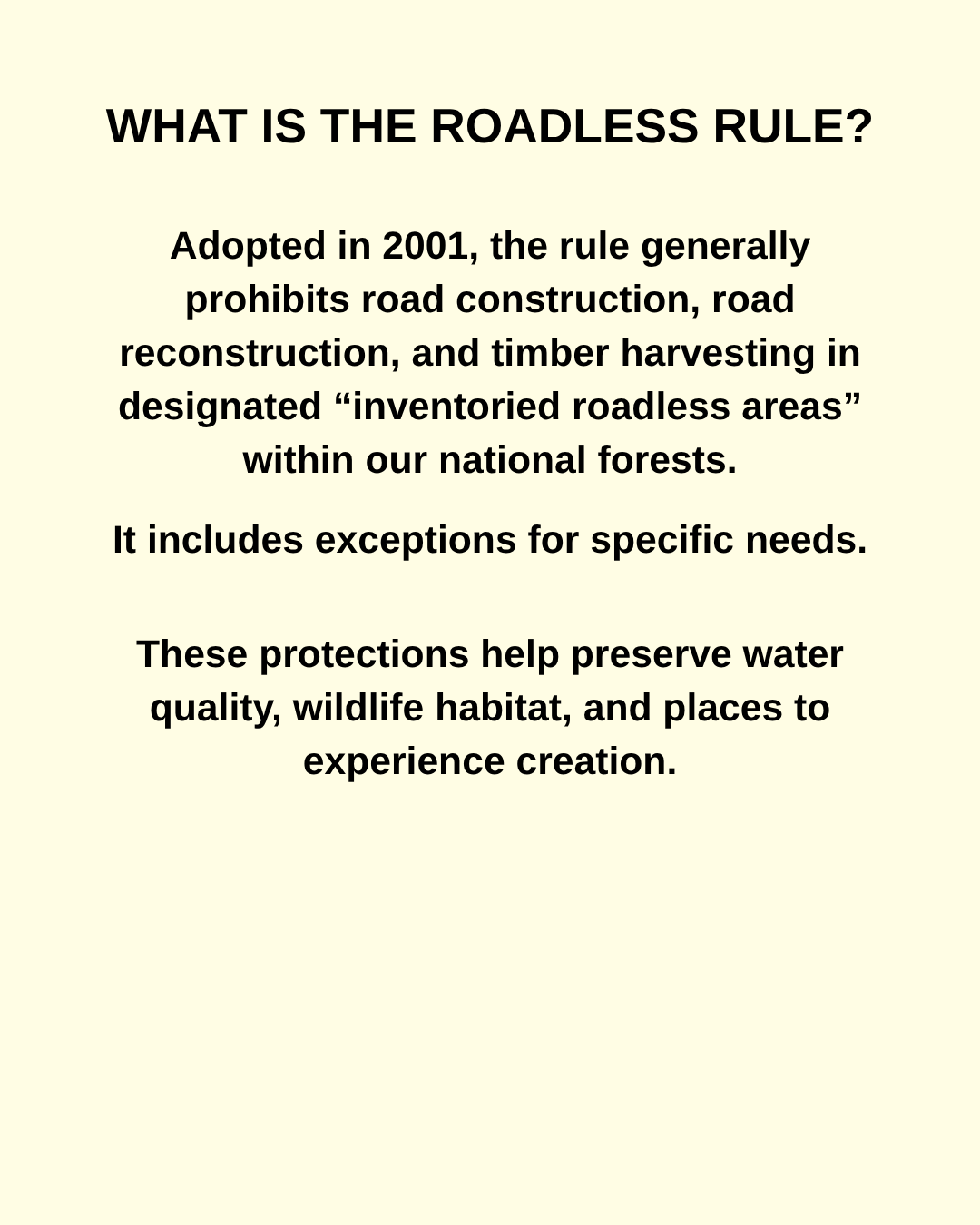
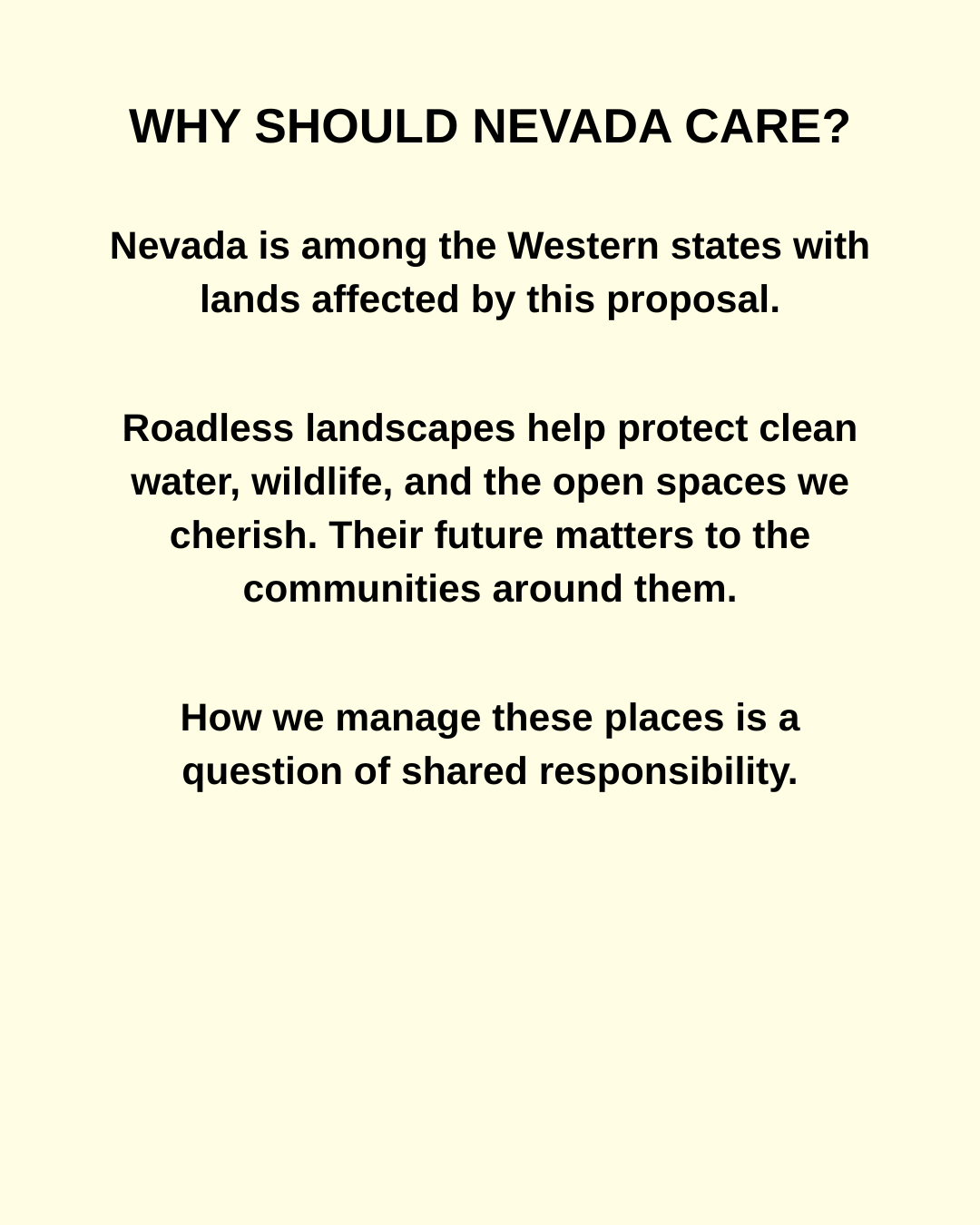
Over 80% of Nevada is public land, stewarded by federal agencies on behalf of the American people. These lands include vast deserts, mountains, forests, historic sites, and waterways. They are also the ancestral homelands of many Indigenous nations who continue to steward and care for these landscapes.

Public lands provide essential benefits to our communities. They protect clean water sources, preserve wildlife habitat, sustain biodiversity, and offer open spaces for recreation, renewal, and connection. For many families, these lands are where lifelong memories are made, hiking, hunting, fishing, camping, and gathering in the beauty of God’s creation.

These landscapes are also economically significant, supporting outdoor recreation, tourism, ranching, and renewable energy development when managed responsibly.

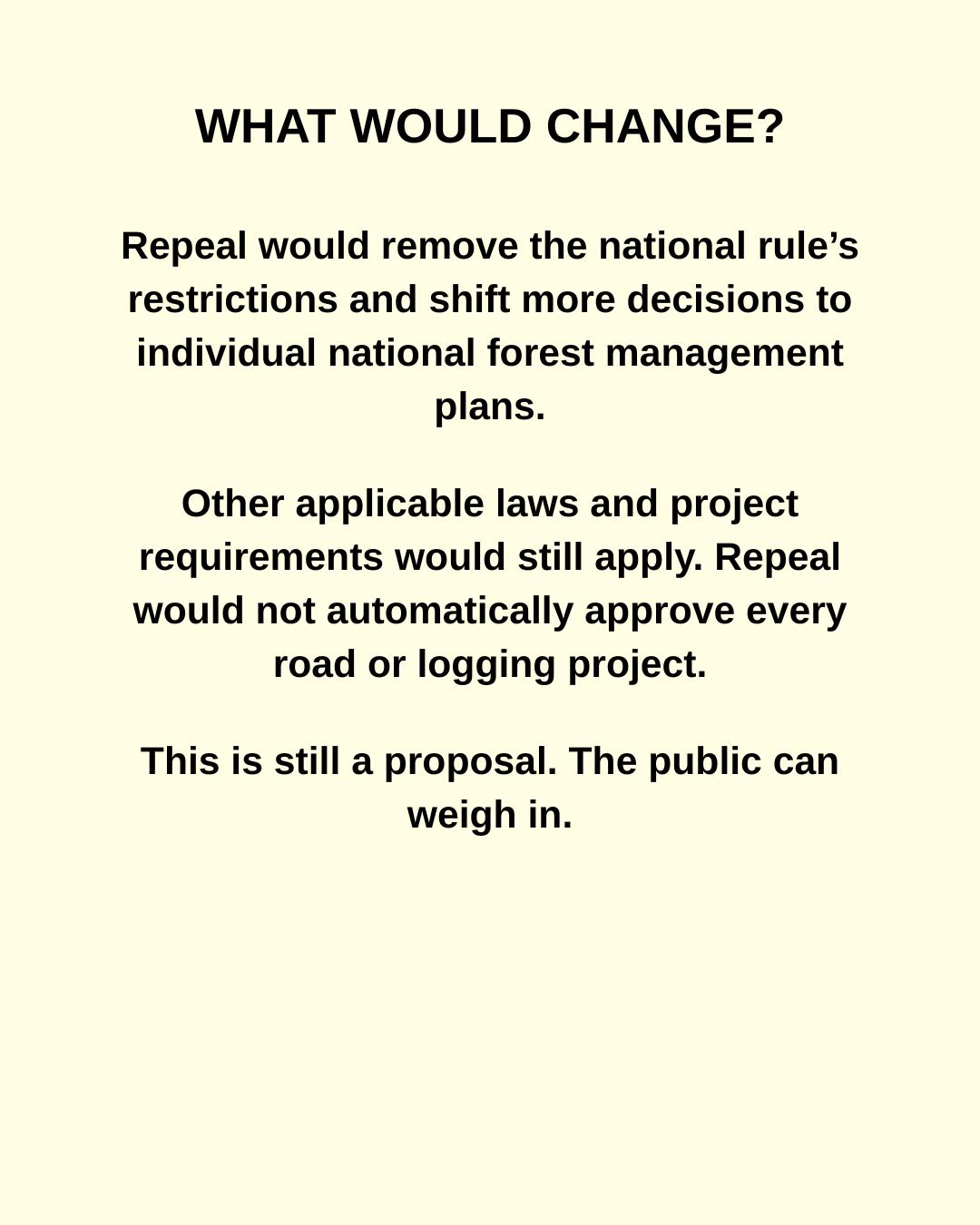
At the same time, most public lands do not carry permanent conservation protections. Decisions about land use including mining, drilling, grazing, recreation, conservation, and renewable energy, are ongoing. As Nevada continues to grow and as economic pressures increase, questions about how these lands are managed will remain central to our state’s future.

A Lutheran Faith Perspective

As Lutherans, we believe creation is not a commodity to be exploited without limit, but a gift entrusted to our care. The ELCA social statement Caring for Creation reminds us: “The earth and all its creatures are God’s good creation… Human beings, created in God’s image, are called to serve and keep the earth.” Public lands represent a shared inheritance, meant to serve present and future generations. Stewardship requires discernment, balance, and humility. It asks us to consider:

  • How do land-use decisions affect clean water and air?
  • How do they impact Tribal sovereignty and Indigenous stewardship?
  • How do they protect wildlife and fragile desert ecosystems?
  • How do they sustain rural communities and future generations?

Faith calls us to resist both indifference and fear. Instead, we are invited into thoughtful engagement — ensuring that public lands remain places of access, ecological health, cultural respect, and shared responsibility.

Why This Matters for Nevada

Nevada’s deserts, basins, and mountain ranges are uniquely fragile. Water is scarce. Wildlife corridors are essential. Climate change intensifies drought and wildfire risk. Decisions made today will shape the ecological and economic health of our state for decades to come.

Public lands are not simply political territory. They are places of:

  • Baptismal imagination: water as life.
  • Sabbath rest: space to breathe and be renewed.
  • Neighbor-love: protecting shared resources for all.
  • Intergenerational justice: ensuring future Nevadans inherit a thriving landscape.

LEAN’s Calling:

We are called to:

  • Support responsible stewardship of public lands.
  • Advocate for policies that protect clean water and wildlife habitat.
  • Respect Tribal sovereignty and partnership.
  • Promote sustainable economic practices.
  • Ensure public lands remain accessible to all people.

Caring for public lands is not about partisanship. It is about vocation, our shared responsibility to “serve and keep” the earth.

In Nevada, this is not abstract theology. It is our backyard.

Calling all hunger champions

Join this network of the Grand Canyon Synod! Meet to hear updates on national and local Hunger and Food Insecurity efforts and initiatives, to learn from one another, and to share with the group what’s happening in our congregations. Anyone interested in alleviating hunger is welcome. Prepare to be encouraged and supported!

If you have any questions about this group, please contact Melanie Hobden (Desert Cross, Tempe) or Solveig Muus (LAMA).

Call for Volunteers

Congregations across Nevada, your leadership is vital in shaping the future of our communities! LEAN invites faith leaders and congregational members to join us in our mission to organize for justice and empower those directly impacted by racial and economic inequality.

By becoming a faith leader with LEAN, you can:

Uplift your congregation’s voice in local and statewide advocacy.

Mobilize your community for voter education, civic engagement, and action.

Lead with values rooted in love, equity, and justice to create lasting change.

Let’s come together as people of faith to stand for justice and empower our communities. Learn how your congregation can get involved email our Advocacy Director, Pastor Paul Larson, paullarson@leanforjustice.org