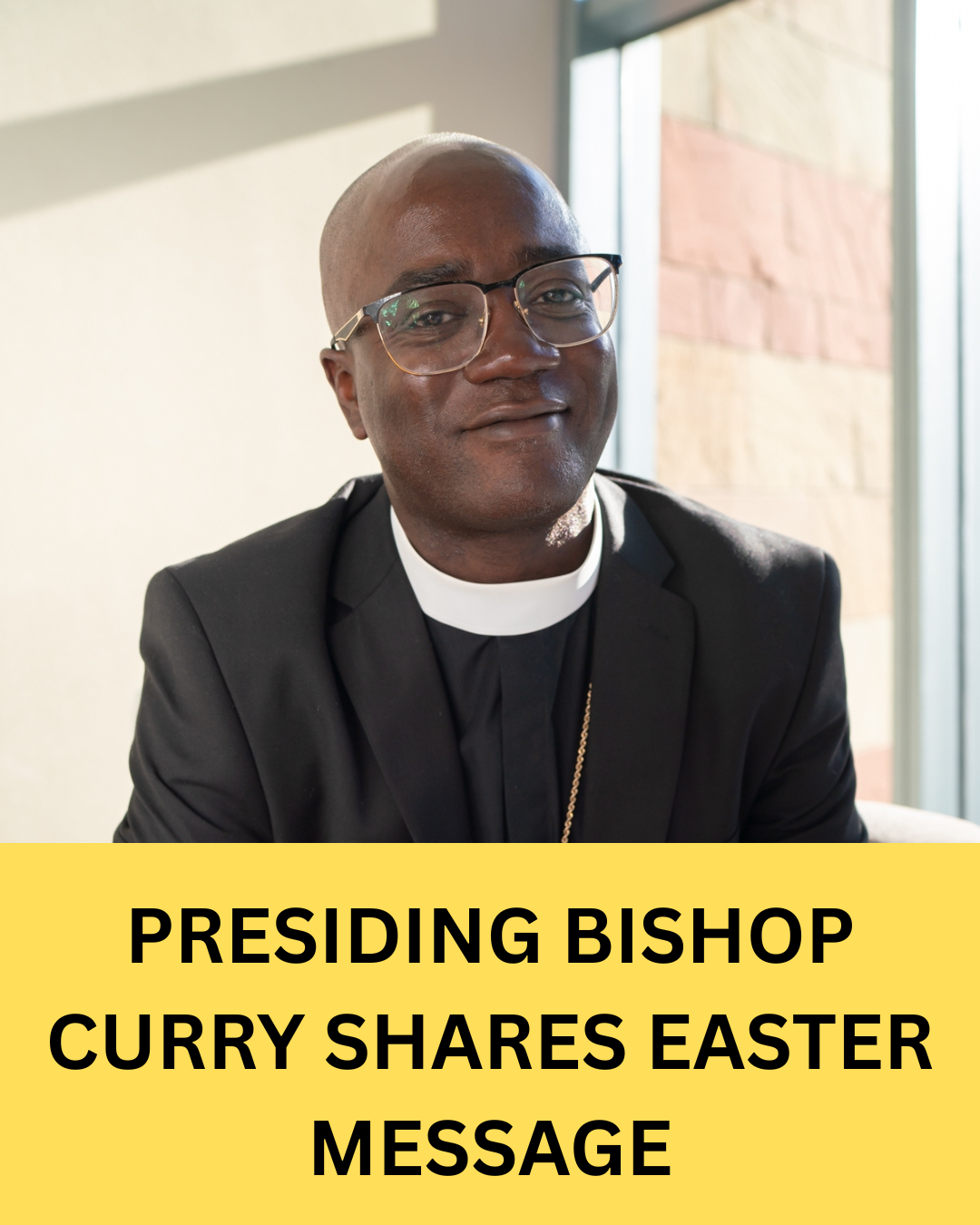
In his Easter message, Presiding Bishop Curry says that even though we consider ourselves to be an Easter church, we must remember that we are also a Lenten church, a time when we live in uncertainty, waiting and hoping for renewal. Curry reminds us that in the midst of that uncertainty, comes God’s promise of reassurance and hope. Death does not have the final word. “Yes, we are Easter people. Even when the ground below us is shaking, we will not grow weary. We know that Jesus is our foundation. Christ is risen, and that truth strengthens us. It gives us courage to live, to hope, and to proclaim joy. Christ is risen. Christ is risen indeed. Alleluia!” Text: Matthew 28:5; Taizé Community Music: Jacques Berthier, 1923-1994 Text and Music © 1998 Les Presses de Taizé, admin. GIA Publications, Inc.
Watch Bishop’s Curry’s Easter Message Herehttps://www.youtube.com/watch?si=HzsmWuQH6JJR2VD1&v=Cpw7B04qrgY&feature=youtu.be
Read Here:
We remember the whispers of Advent as we anticipated the birth of Jesus. Now, as we journey through Holy Week, we anticipate the joyful noise of alleluias on Easter Sunday. But before we reach the Easter celebration, we make our way through Lent, through an in-between time where we don’t know what tomorrow will bring. We often describe ourselves as an Easter church, but in this holy, solemn time that begins with Ash Wednesday and moves on to Maundy Thursday, Good Friday and Holy Saturday, we are also a Lenten church. Living in uncertainty, waiting and hoping for renewal. Longing for the moments when God’s presence feels closer and more sure. During Lent, we learn what it means to live on unsettled ground. In Matthew’s retelling of the resurrection, he describes a “violent earthquake” as the angel came down from heaven and rolled the stone away from the entrance to the tomb where Jesus lay. I imagine the earthquake, the rumble deep below the earth, as the ground shifted far under the surface. Perhaps those who were nearby felt the tremble. Maybe the women who were on their way to the tomb with prepared spices felt the earth shift. They were unsettled, but they knew something powerful was happening. We can understand that human experience of feeling out of control, of not being able to make sense of what’s happening around us. Many of us can relate to this as we witness the current unrest in our world and in our communities. Like the women at the tomb, we feel isolated, disconnected. We’re unsettled, unsure, living the Lenten reality of waiting and hoping. And then, in the midst of that shaking, comes the promise. The angel said to the women, “Do not be afraid, for I know that you are looking for Jesus, who was crucified. He is not here; he has risen.” God’s promise offers reassurance and hope. The resurrection does not deny disruption — it meets us within disorder and disturbance. The stone is rolled away. Death does not have the final word. Yes, we are Easter people. Even when the ground below us is shaking, we will not grow weary. We know that Jesus is our foundation. Christ is risen, and that truth strengthens us. It gives us courage to live, to hope and to proclaim joy. Christ is risen. Christ is risen indeed. Alleluia!




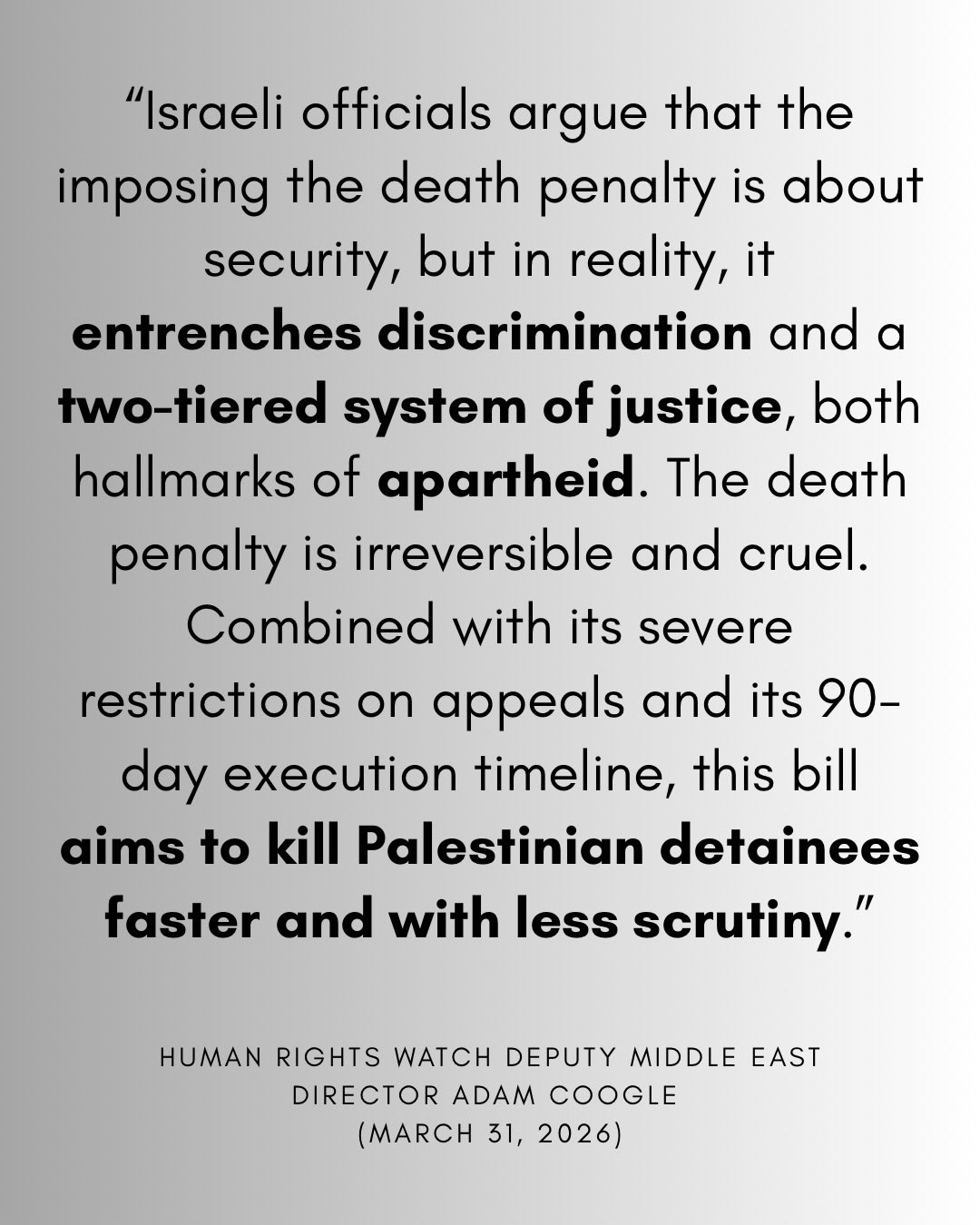
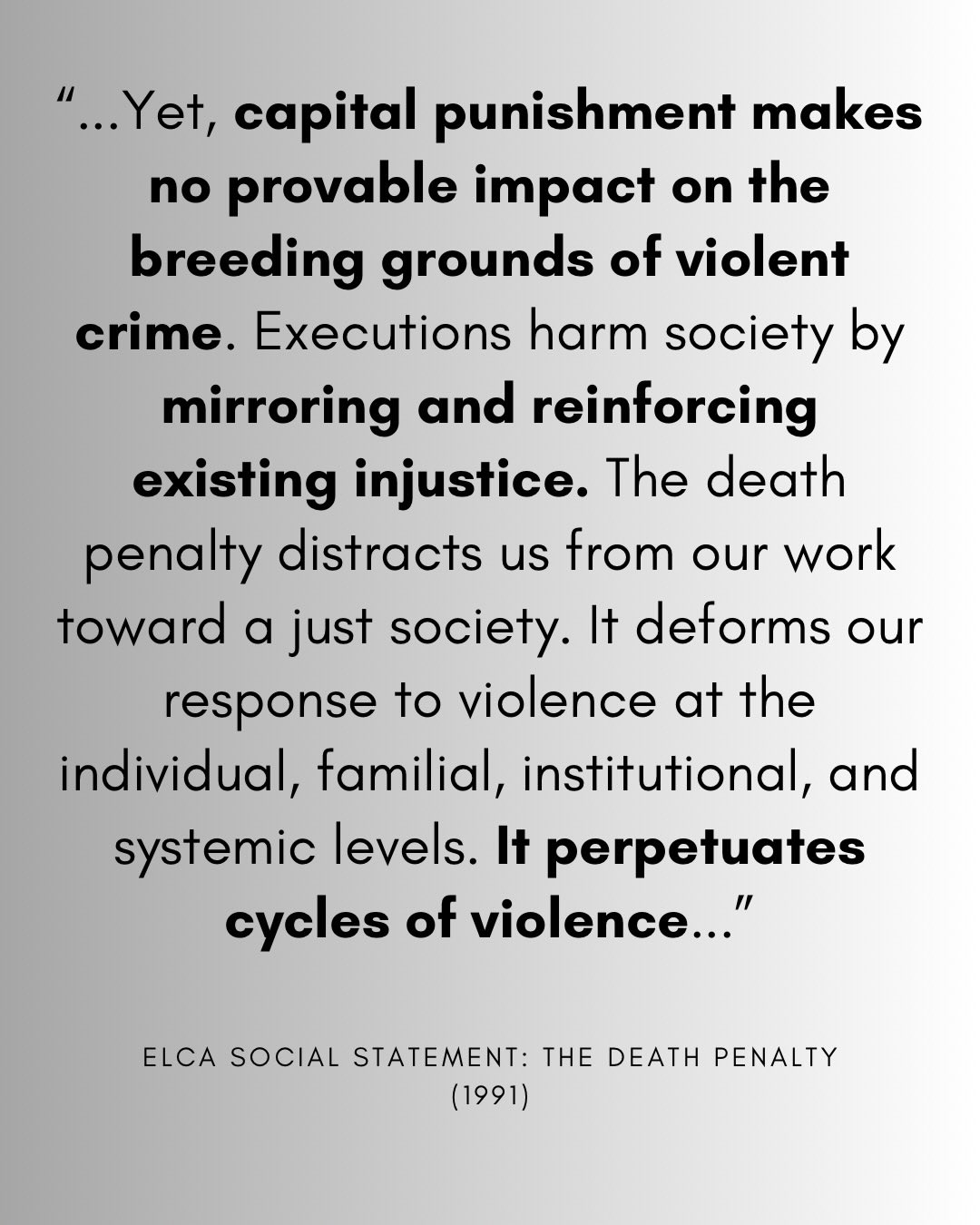

 Lutheran Engagement and Advocacy in Nevada