ELCA Advocacy welcomes Antoine Cummins as new Program Director for Civil Rights Policy.
Born on the Island of Barbados and raised in Brooklyn, NY, Antoine R. Cummins has spent 15 years serving the ELCA in various capacities including as Assistant to the Bishop of the Pacifica Synod, Advisory Board member of Pacific Lutheran Theological Seminary, member of the ELCA Commission for a Renewed Lutheran Church and Director of Campus Ministry at Waldorf University. “I find inspiration in how much healing can be found in community; when we approach each other with a posture of humility and walk away from our interactions with a sense of awe and wonder!”
Nevada would shoulder costs that have been almost entirely footed by the feds, more people would face work requirements, and fewer children would be eligible.
House Republicans have introduced a sweeping budget reconciliation bill that proposes major changes to the Supplemental Nutrition Assistance Program (SNAP) as part of a broader effort to make permanent the administration’s proposed tax cuts.
The legislation, unveiled May 13 by the GOP, would scale back federal spending on food and health-care assistance while preserving $4.6 trillion in tax relief.
Why It Matters
SNAP benefits are paid to low and no-income households across the U.S. that would otherwise struggle to afford groceries. Last year, the program reached some 41 million Americans.
The legislation, part of a wider reconciliation bill put forward by the GOP, seeks to cut $300 billion from Medicaid and SNAP over the next decade – well over the $230 billion in spending cuts originally ordered to be cut by the House Agriculture Committee, which oversees the program.
Key reforms include expanding SNAP work requirements and tightening eligibility criteria, which experts say would make it harder for older adults and low-income workers to qualify or stay enrolled. The bill is part of a broader Republican strategy to control federal deficits without touching defense spending or introducing tax reductions.
What to Know
The House bill would extend the tax cuts signed into law during President Donald Trump’s first term in 2017, due to expire in 2025. To offset the cost, Republicans included a suite of cuts to entitlement programs.
Among the changes are:
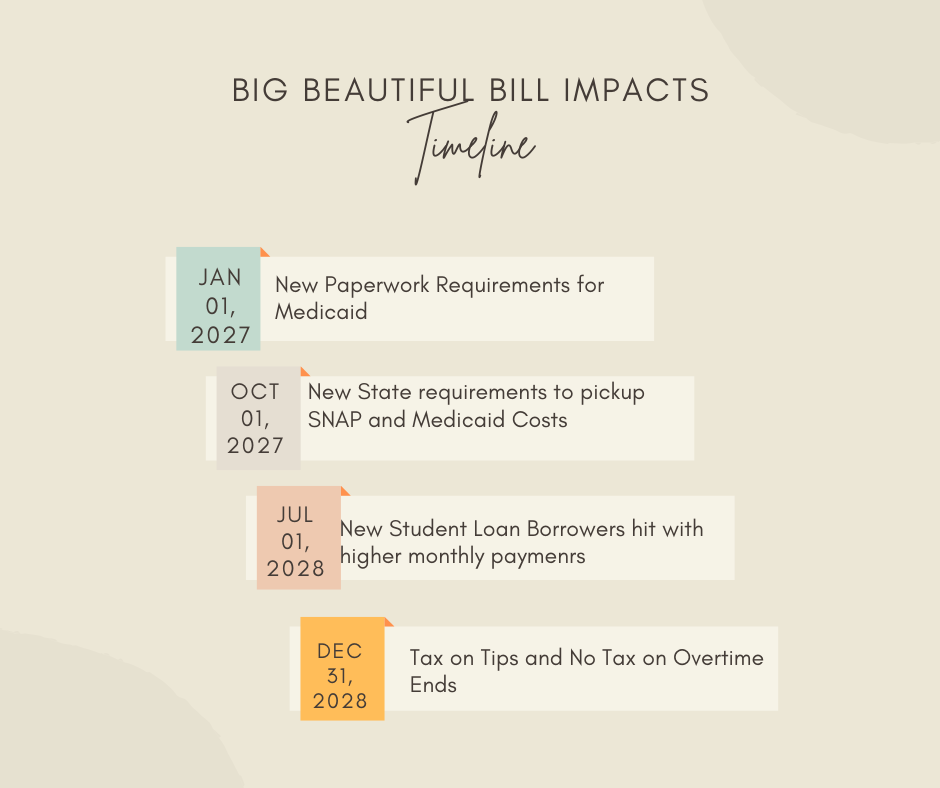
Work requirements for “able-bodied adults without dependents” would be expanded to cover those up to age 64, up from the current cap of 49.
Exemptions for individuals facing barriers to employment would be narrowed, and states would be given fewer waivers to bypass federal rules.
Administrative requirements would increase, including more stringent identity and income documentation, potentially causing eligible recipients to lose benefits due to paperwork delays.
Limiting future updates to the Thrifty Food Plan, the formula that calculates SNAP amounts.
Forcing states to pay for more of SNAP administrative costs. Currently, benefit payments are funding by the U.S. Department of Agriculture (USDA), and administrative costs are shared by federal and state governments.
Supporters have argued the plan encourages work and reduces long-term dependency on food benefits, while critics have warned it risks pushing millions into deeper poverty and would further strain already-vulnerable households.
This week: The House of Representatives is rushing to make historic cuts in Medicaid, food assistance, and education, while increasing the federal deficit by trillions of dollars. Take action today.
Over the past two months, ELCA clergy, lay leaders, volunteers and ministries have sent over 4000 messages to Congress citing concerns about the disproportionate impact these cuts would have on low-income communities and the people we serve. ELCA social teaching encourages our advocacy to promote a “sufficient” and “sustainable” livelihood for all, prioritizing adequate assistance programs with good fiscal stewardship of our national financial resources. Slashing these core programs amid wider economic uncertainty will leave millions of families vulnerable to poverty and with few other resources to turn to. Finally, the bill has been extremely rushed with often less than 24 hours for the public to even consider, let alone weigh in on its specific contents.
The vote on this bill in the House is expected as soon as tomorrow so your Representative hearing from you now is particularly crucial. We urge you to email your House Representative to urge a “No” vote ahead of an anticipated floor vote on the bill this week and to ask them to take more time to hear from their constituents on its impact. Customize a message to your lawmakers today with a unique story, citing your concerns and why the faith community is alarmed by this proposal.
Today, tell your legislators that slashing core programs like SNAP and Medicare will leave millions of families vulnerable to poverty, with few other resources to turn to.