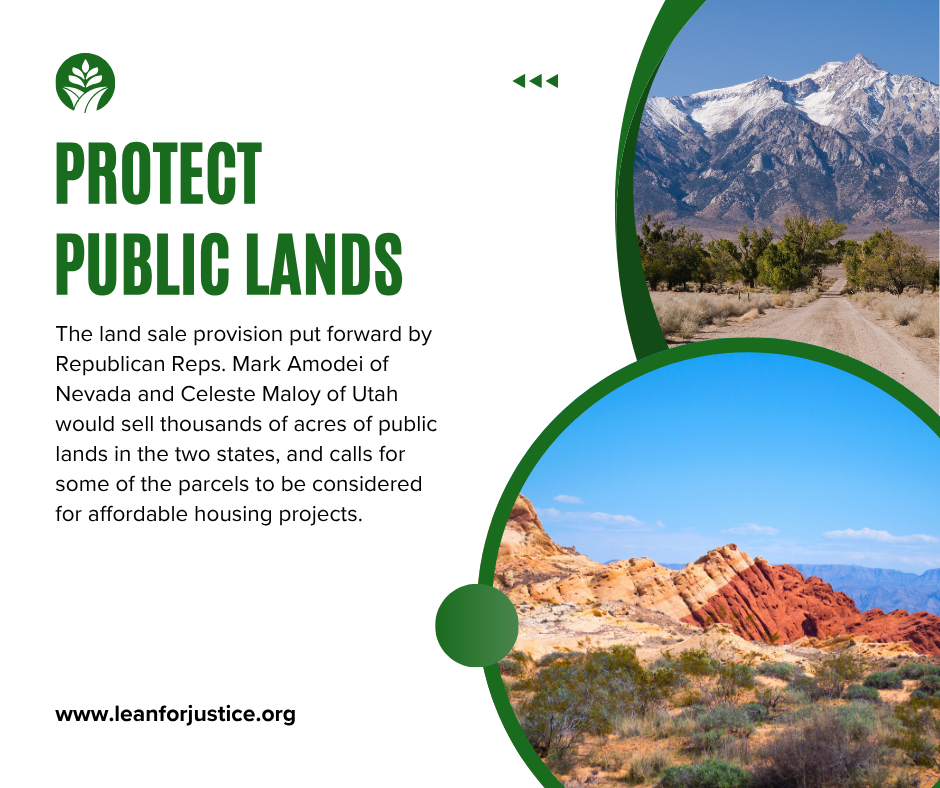
Protect Our Public Lands
Multiple committees in the House of Representatives are scheduled to “markup” legislation this week (May 12-15, 2025) that could make sweeping federal reductions to programs vital to the communities we live in and serve. The proposed reconciliation package under consideration could:
Force states to shoulder Supplemental Nutrition Assistance Program (SNAP) costs and add new work requirements, risking millions being removed from the program;
Make deep cuts to Medicaid, threatening healthcare access for certain populations;
Eliminate clean energy tax credits that encourage stewardship of creation.
This bill imposes additional requirements on programs of hospice care, including accreditation by a national agency, acceptance of Medicare payments, and enhanced oversight during the first two years of licensure. It also sets standards for medical directors, staff training, patient rights, and establishes independent review boards for compliance, among other operational changes.
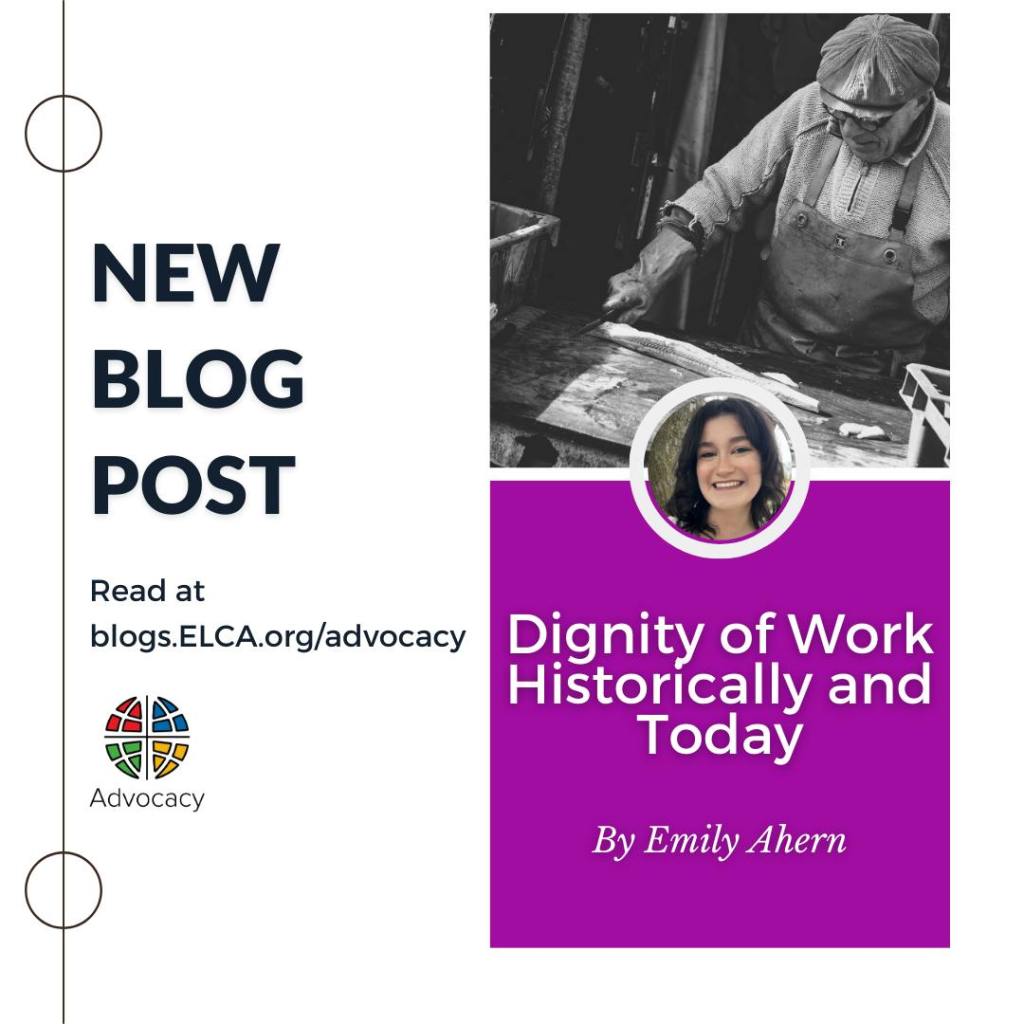
May Day historically puts a cultural eye on labor, and Lutheran reflection on vocation does too. What does this mean for us today?
Our ELCA World Hunger Advocacy Fellow looks at the dignity of work and current labor trends in
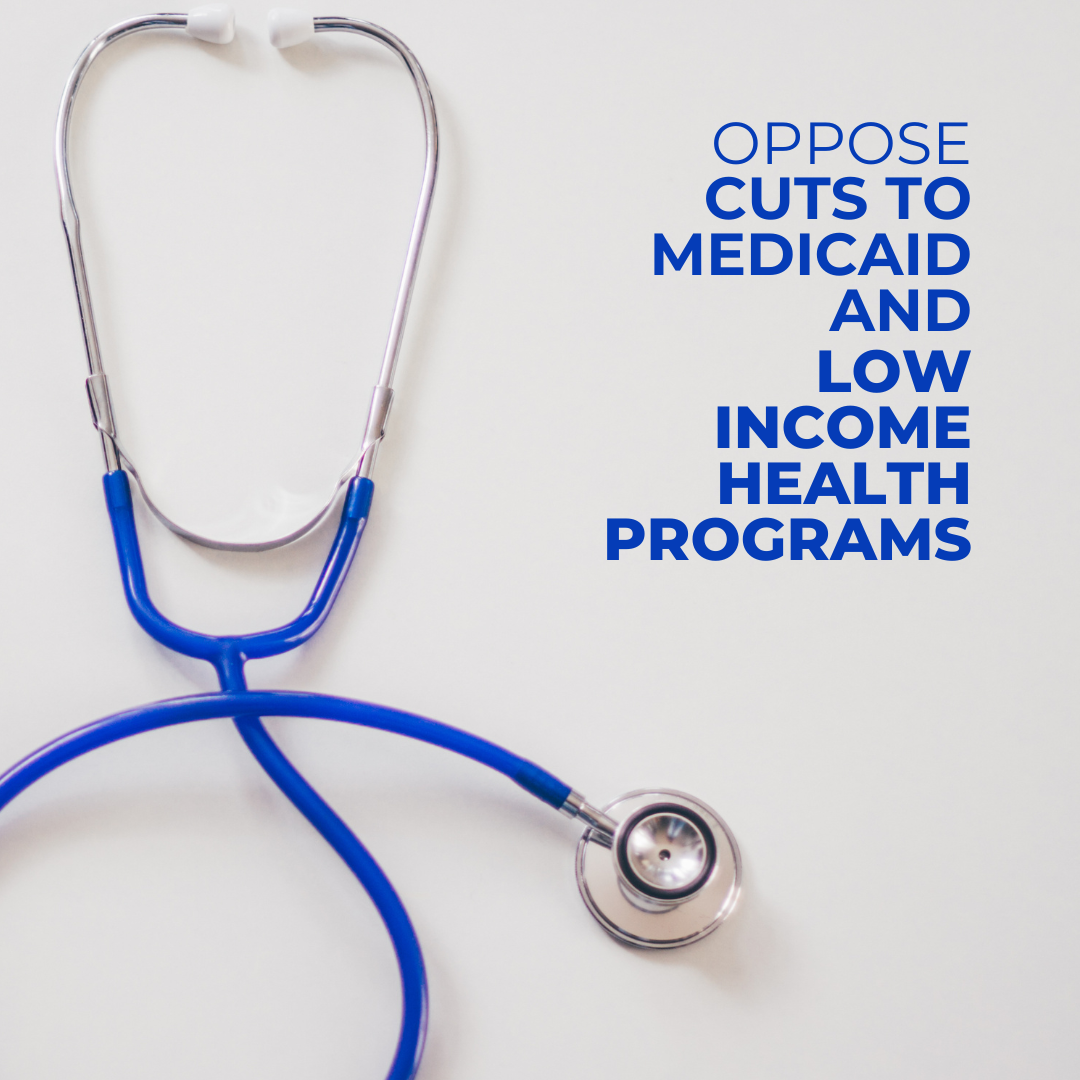
Congress is considering severe cuts to Medicaid that would harm millions of vulnerable Americans. The House and Senate have passed budget resolutions implying up to $880 billion in Medicaid reductions over 10 years.
ELCA social teaching emphasizes something we witness in our lives and the lives of our neighbors – that healthcare is essential to human dignity and a shared responsibility. Medicaid serves one in five Americans, providing vital care to children, elderly individuals and people with disabilities.
These proposed cuts would force difficult choices upon states, potentially reducing coverage, restricting benefits or lowering provider payments. States with high poverty, greater healthcare needs and limited revenue options would suffer most.
Contact your representatives today to oppose these harmful cuts and protect our most vulnerable neighbors.
Thank you for your advocacy.
 Lutheran Engagement and Advocacy in Nevada