What if trees could tell the truth about justice in our communities and show us a way forward?
In this launch webinar, Creation Justice Ministries will introduce its 2026 annual resource, The Canopy of Creation: Trees, Faith, and the Work of Justice, and equip faith leaders with theological grounding, worship tools, and practical pathways for action. Participants will explore how trees are woven through Scripture, how tree equity connects climate resilience and racial justice, and how congregations can faithfully engage in planting, protection, and advocacy rooted in relationship and listening.
Following are updates shared from submissions from ELCA-affiliated state public policy offices (SPPOs) this quarter (formerly shared monthly). Full list and map of SPPOs available.
These last few months have been a whirlwind of advocacy, community building, and rapid response at Kansas Interfaith Action (KIFA). Following a much-needed holiday recharge, our team hit the ground running as the 2026 legislative session began, a session that has already proven to be as grueling as anticipated.
We rang in the new year by launching our legislative platform centered on a singular truth – human needs are human rights – and announcing a rally with the same theme. This vision came to life in January when over 650 Kansans and over a dozen coalition partners gathered at the State Capitol for our “Human Needs are Human Rights” rally, sending a powerful message that demanded human-centered policy and reminded elected leaders that every person is made in the image of God. In addition to this rally, KIFA has joined partners under the dome this legislative session for LGBTQ+ Equality Day, Anti-Hunger Action Day, and Latino Lobby Day to stand in solidarity with our neighbors.
Since the very start of this legislative session, we’ve been in high gear, mobilizing our KIFA base and navigating a legislative session defined by procedural chicanery and fast-tracked legislation. Critical priorities include mobilizing against SB 244, an anti-trans bill that threatens the safety and rights of the trans and broader LGBTQ+ communities. It would require gender markers on state IDs to match a person’s sex assigned at birth and require them to use the bathroom that matches that marker. We are now calling on our base to urge lawmakers to sustain the governor’s veto, which is widely and imminently expected. Both chambers passed it via “emergency action.” Read the “Kansas Interfaith Action Condemns Legislators’ Attacks on Gender Freedom and Broken Legislative Process” statement here, which includes a strong renouncement from Rabbi Moti Rieber, KIFA Executive Director.
We are also fighting SB 254 and HB 2448/HCR 5021, which collectively aim to strip benefits from immigrants and create unnecessary barriers to voting. Regarding the former, instead of receiving a hearing in a House committee, leadership decided to bypass the hearing process (like they did with SB 244, the anti-trans bill) and pass it via “emergency action” on the house floor. That being said, an amendment was passed stripping out the in-state tuition portion, so it doesn’t match the Senate bill. This means a joint Senate-House conference committee will be called to iron out the differences between the bills. Regarding the latter, HB 2448 requires that citizenship status be listed on Kansas state issued IDs, such as a driver’s license, regardless of legal immigration status. HCR 5021 rewrites the Kansas Constitution to require these state issued IDs or a passport in order to vote, restricting our right to vote to only those who can overcome certain barriers. While these bills have been introduced separately, together they lay out a deliberate plan to deny our freedom to vote while also putting our immigrant neighbors at risk.
On a non-legislative note, KIFA has also launched “We the People,” a virtual series on faith and public life, with the ELCA Central States Synod! We also completed a major overhaul of our website. Visit kansasinterfaithaction.org to check it out. We’re committed to helping Kansans put their faith into action, offline and online.
Contributing writer: Sagi Rudnick, KIFA Program & Advocacy Associate
Lutheran Advocacy Ministry in Pennsylvania (LAMPa) staff kicked off 2026 by equipping youth and their leaders in the Lower Susquehanna Synod for hunger advocacy at Winterfest Youth Gathering. More than 200 youth and leaders at the synod’s annual winter retreat heard from recent LAMPa racial justice fellow Anna Oslikova about the transformative power of advocacy and then took first steps themselves — writing postcards to policymakers after packing more than 30,000 meals for hungry neighbors.
Oslikova, who completed an Isaiah 58:12 racial justice fellowship in 2025, shared her experience getting to know immigrant farmworkers in her region. “The lasting impact for me was the fact that advocacy takes courage, and stepping out of my comfort zone inspired me in ways like showing me my capabilities that I never thought I would have been able to have,” said Oslikova.
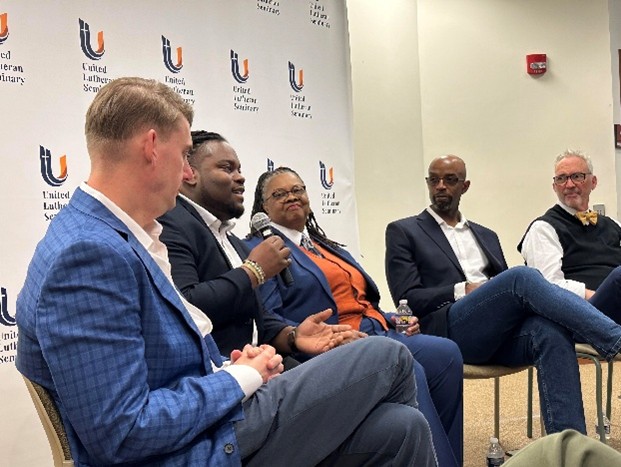
To mark MLK Day and equip disciples to pursue justice all year long, LAMPa partnered with United Lutheran Seminary and Gettysburg College to host “Prophets, Saints and Kings: Resisting Christian Nationalism and Building Beloved Community with King and Bonhoeffer.” Recordings of the event are available here.
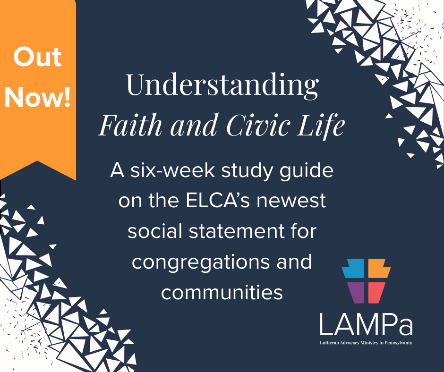
LAMPa also unveiled a six-week curriculum (perfect for Lent) on the new ELCA social statement,Faith and Civic Life: Seeking the Well-being of All. Download the curriculum from here.
As we pray for the church in Minnesota and communities standing up for immigrant neighbors across our country, LAMPa has been working within the PA Immigration Coalition and supporting synods and congregationsspeaking up for state and local welcoming policies while developing rapid response networks across the Commonwealth.
The Virginia Interfaith Center for Public Policy (VICPP) kicked off the 2026 General Assembly Legislative Session on January 14th with renewed momentum for change. This year, our priority bills address critical issues affecting Virginia communities: maternal health reform, higher education access for incarcerated individuals, affordable housing expansion and increased support for working families, including paid sick days.
As these bills move through the legislature, we’re encouraged by the bipartisan support many of our initiatives have garnered which is a hopeful sign in these politically divided times.
Beyond legislative advocacy, we mobilized faith leaders across Virginia to voice concerns about a proposed Department of Homeland Security purchase of a warehouse in Hanover County. Through coordinated efforts and unified advocacy, we successfully prevented this purchase from moving forward. This was a powerful demonstration of the power of organized faith communities to protect their neighborhoods.
On January 21st, we hosted our annual Day for All People lobby day in Richmond, Virginia. This signature event brought together over 425 participants who engaged directly with legislators and attended educational workshops focused on our policy priorities. The day’s programming featured a powerful panel discussion on the importance of intergenerational advocacy in the pursuit of justice, highlighting how voices across age groups strengthen our collective impact.
The strong turnout and enthusiastic participation demonstrate the deep commitment Virginians have to building a more just and equitable commonwealth. As the legislative session progresses, we remain dedicated to advancing policies that reflect our shared values of dignity, fairness, and opportunity for all.
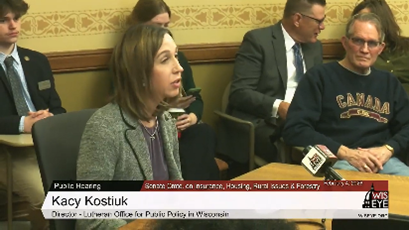
The Lutheran Office for Public Policy in Wisconsin (LOPPW) continues to engage faithfully in public witness, policy advocacy, and outreach across the state.
Letter to Elected Officials
Recently, LOPPW sent the letter, “To Elected Officials Entrusted with Public Leadership in Wisconsin,” which expressed deep concern about the violence and fear in Minnesota following U.S. Immigration and Customs Enforcement (ICE) deployment and the ripple effects in Wisconsin communities. The letter called on public officials to speak clearly against violence, reject rhetoric that dehumanizes, promote transparency and accountability and work across political lines to build trust and ensure safety.
Legislative Advocacy
LOPPW has been engaged on a range of policy priorities with the Wisconsin Legislature this year. Advocacy efforts include collaboration with faith-based and secular partners to:
Advocate for state funding to address federal changes to SNAP/FoodShare.
Oppose deregulation of potentially predatory lending practices.
Oppose legislation that would criminalize homelessness.
LOPPW has also supported legislation to prevent human trafficking and support survivors, create a task force addressing missing and murdered African American women and girls, and enable DACA recipients to access professional licensure in fields such as nursing and teaching.
Outreach
LOPPW has been connecting with ELCA congregations and members across Wisconsin, including at the synod-sponsored Winter Theological Event in northwestern Wisconsin, “Together in Mission” in the greater Milwaukee area, and the LEAD Conference in southcentral Wisconsin.
LOPPW launched a newly designed website and has developed several new outreach materials, including this “Faith in Action” What Can You Do? flyer.
Spring outreach will continue with updated electronic resources and in-person visits during Lent and beyond, as LOPPW prepares for engagement ahead of the 2026 elections. We are also supporting an emerging inter-congregational collaboration effort related to advocacy. Stay tuned for more about this and opportunities to connect with others!
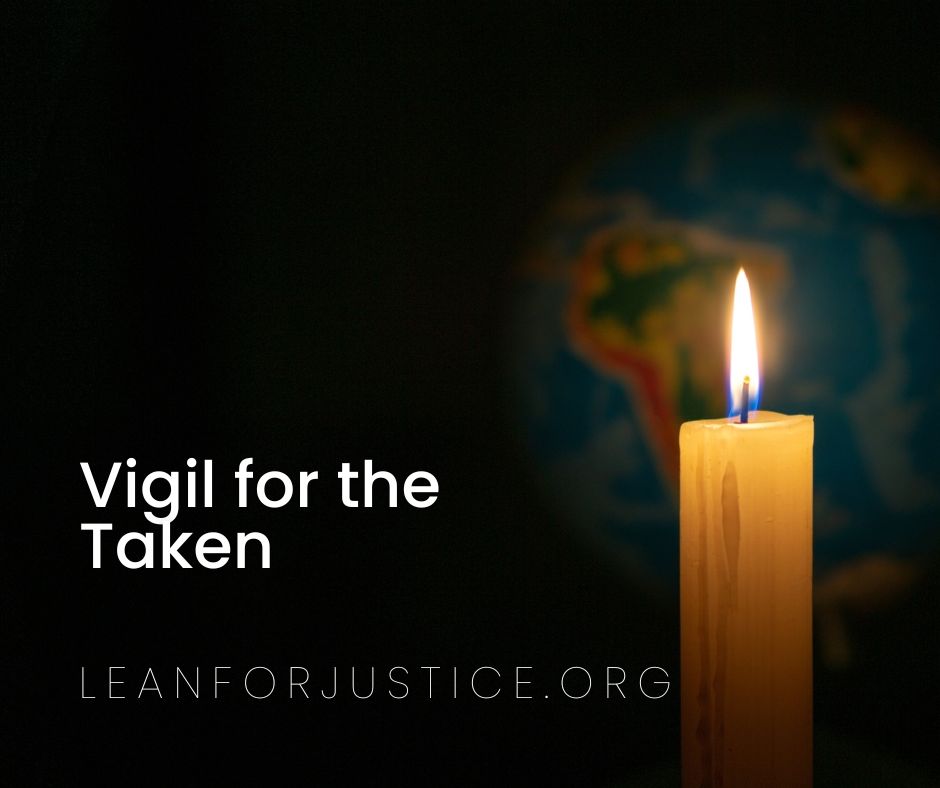
Vigil for the Taken is a new vigil resource from Global Refuge that offers an opportunity to name, recognize, and remember members of the community that are disappeared, detained, or deported.
In a new video, Rev. Dan Beirne reflects on the question, “Is prayer enough?” and encourages us to continue standing in the gap for our refugee and immigrant neighbors.
Following the shooting of Alex Pretti, U.S. lawmakers have sought bipartisan negotiations over Department of Homeland Security (DHS) spending and immigration enforcement policies.
Amid national outcry over immigration enforcement tactics in Minneapolis, civil society groups across America have called on Congress to place guardrails and accountability measures in place to rein in DHS practices toward immigrants and communities.
Much of this discussion has revolved around body cameras, warrantless arrests, and masking of federal agents—but the groundswell of support for DHS accountability has gone even further, mobilizing groups across the country and emphasizing other major issue areas.
Ecumenical Plea for Accountability and Justice in DHS Discussions
In an interfaith letter to members of Congress organized by the Evangelical Lutheran Church of America, faith-based leaders argue this is a “critical moment to legislate immigration policies that are just, humane and respectful of the dignity of immigrants.”
The letter called for respect for due process, standards in detention facilities, and resources toward addressing immigration backlogs, as well as an end to surge presences in Minneapolis and other cities. (Though officials recently announced that personnel had been removed from Minneapolis, major enforcement efforts are still taking place around the country.)
“As you negotiate meaningful reforms in the coming weeks, we urge you to prioritize language that preserves the freedom to worship, to live in safety regardless of race or background, to love our neighbors, and to meet the basic needs and rights of all,” wrote the signatories, including Global Refuge CEO and President Krish O’Mara Vignarajah.
Groups Call on Congress to End Refugee Re-Interviews
In Minnesota, a targeted campaign called Operation PARRIS has resulted in the arrest, detention, and out-of-state transfer of dozens of refugees for extensive reinterviews. There is currently a temporary restraining order in place from a federal judge halting further arrests of refugees under Operation PARRIS—but this relief is only temporary as the case proceeds.
Signatory organizations (including Global Refuge) argued that there should be restrictions on the use of DHS funds for carrying out harmful practices like Operation PARRIS, which are part of a larger effort to reinterview and relitigate previous grants of refugee status.
Major Show of Support for Protecting Sensitive Locations
Federal agents are increasingly carrying out immigration enforcement operations in healthcare facilities, schools, places of worship, and other sensitive locations.
More than 400 organizations including Global Refuge joined a request to Congressional leadership to include provisions from the Protecting Sensitive Locations Act as part of DHS budget negotiations. Numerous medical and public health groups also joined the request.
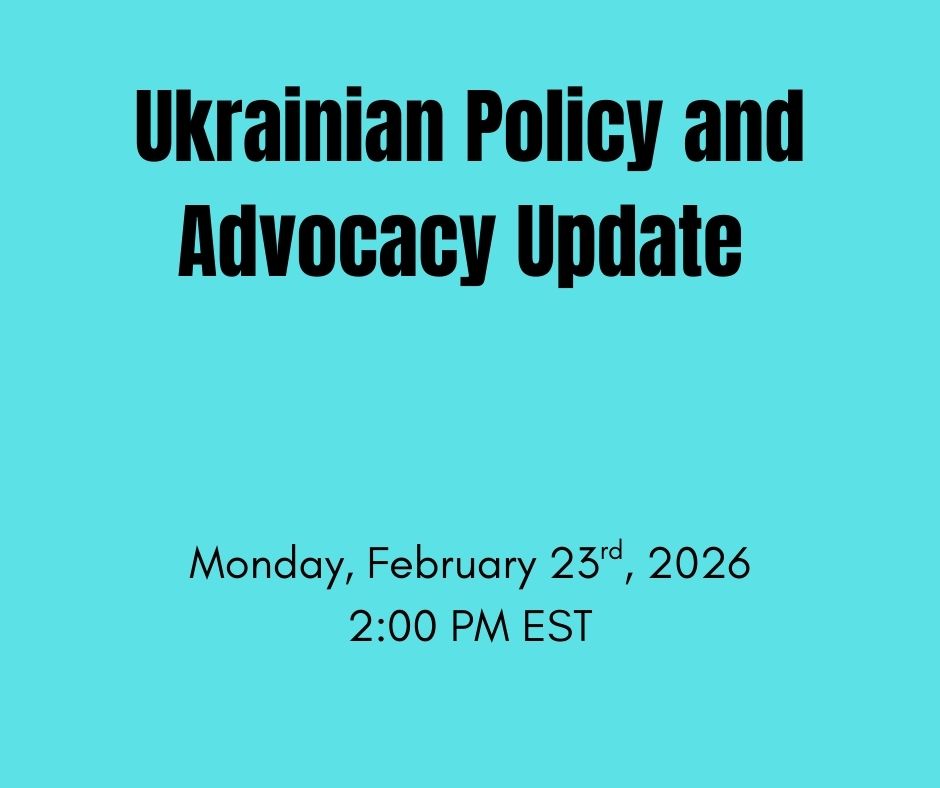
On the eve of the anniversary of Russia’s 2022 invasion of Ukraine, the Global Refuge advocacy team will host a webinar discussion covering policy and advocacy updates affecting Ukrainians in the United States.


 Lutheran Engagement and Advocacy in Nevada