
The candles of the menorah remind us of the resilience of those who have endured against oppression for generations. May we all continue to find the light amongst the darkness.
The candles of the menorah remind us of the resilience of those who have endured against oppression for generations. May we all continue to find the light amongst the darkness.

The ELCA social message on homelessness reads, “Where God’s love for people who are homeless is heard and lived, hope is engendered that breaks the downward spiral of life.”
Homeless Persons’ Memorial Day, observed annually on December 21, the longest night of the year, honors individuals who have died while experiencing homelessness.
One meaningful way to honor those we have lost is by urging our elected leaders to pursue policies that prevent homelessness and protect access to safe, affordable housing.
Take action today by sending one or both of these letters to your lawmakers through ELCA Witness in Society:
Urge Congress to Pass Bipartisan Housing Reform
Protect Affordable Housing Programs: Take Action Today
Hosting an in-person event or vigil?
If you are gathering as a congregation or community, you can use these printable templates and invite participants to sign letters together. Printed letters can be collected and given to LEAN, and we will ensure they are delivered to the appropriate lawmakers.
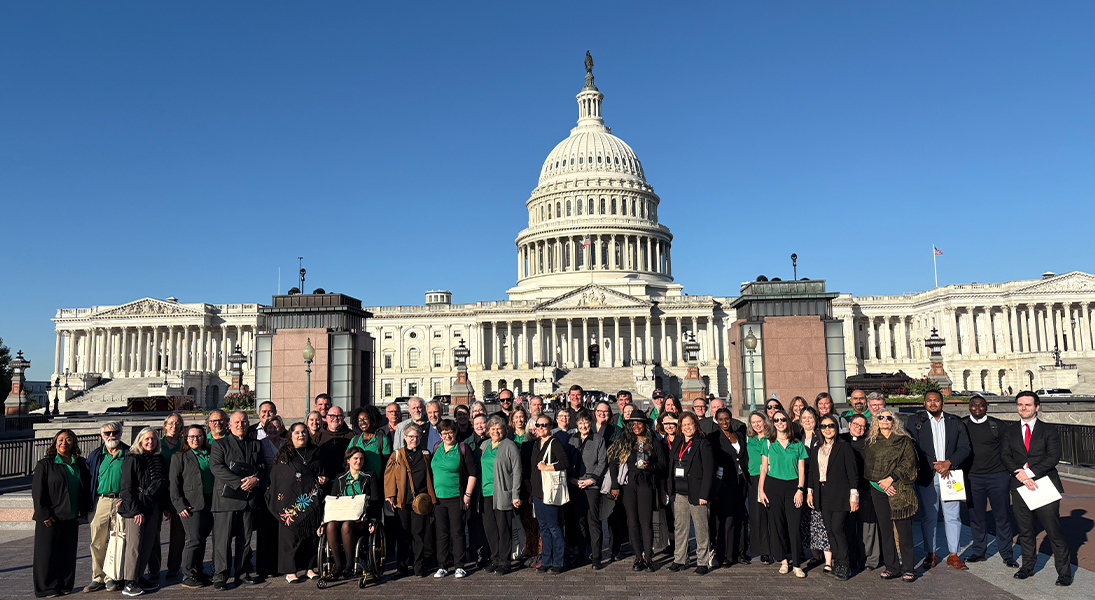
Amidst a government shutdown, ELCA Advocacy was able to bring Lutherans from Lutheran Disaster Response (LDR) to Capitol Hill in October to speak about disaster response reform with lawmakers.
Listen to our podcast where we interview LDR Lutherans as they reflect on the trip.
Read the article in Living Lutheran.
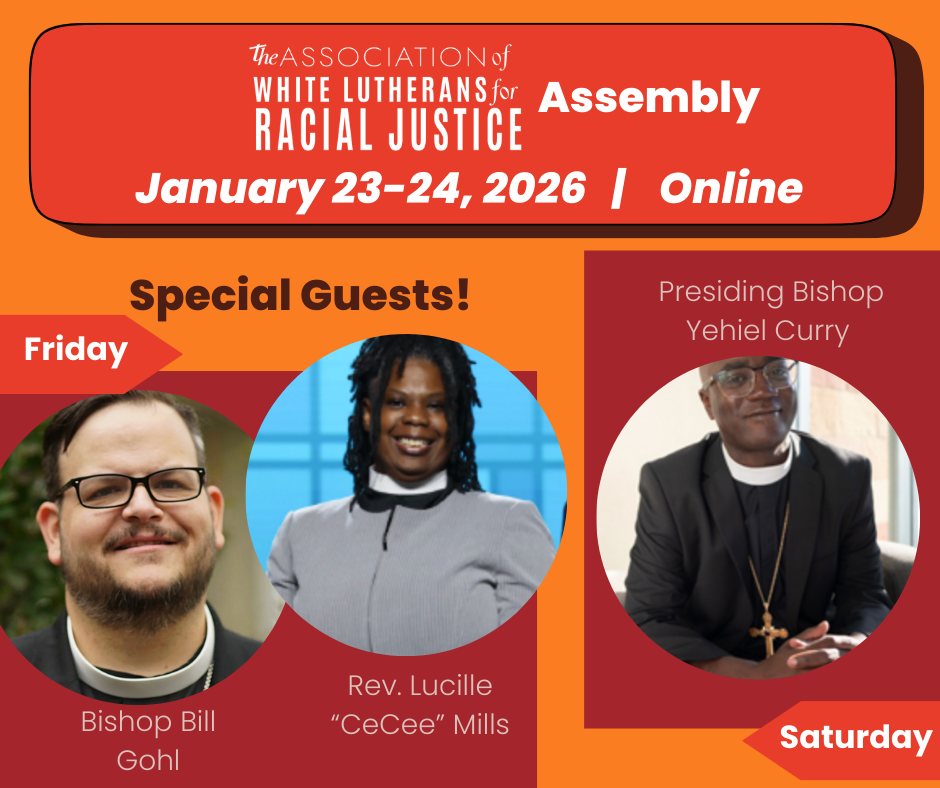
You’re invited to join the White Lutherans for Racial Justice (ELCA Association of White Lutherans) for a thoughtful and faithful online gathering January 23-24, 2026 centered on learning, reflection, and conversation. This event creates space for white Lutherans committed to accountability, to naming and dismantling racism within themselves and systems, and to choosing repair, justice, and deeper community together.

Many of us awoke today to the horrific news of yet another deadly attack on the Jewish community, gathered for a Menorah lighting ceremony marking the beginning of Hanukkah at Bondi Beach in Australia.
This incident has already reverberated around the world, striking fear in the hearts of our Jewish neighbors. As the ELCA, we have rejected antisemitism and incitement to violence and pledged ourselves to oppose the anti-Jewish bigotry and hatred. (A Declaration of the ELCA to the Jewish Community, 1994.)
On this third Sunday in Advent, Gaudete Sunday, we reflect upon rejoicing. Yet today our joy is confronted with the anguish and fear experienced by our siblings in faith. Let us remember that our rejoicing is in God’s life-giving promises, promises first extended to the Jewish people in God’s irrevocable covenant.
So, on this day and in the days to come, I encourage you to find concrete ways to share God’s life-giving love with our Jewish neighbors as an antidote to hate, and as a comfort amid fear and grief.
Please join me in prayer:
We whose lives are held captive by your Word ask your blessing upon our urgent desire to live out our faith in Jesus Christ with love and respect for our Jewish neighbors, amid unspeakable violence. Empower us to stand in solidarity with each other to oppose the deadly working of every kind of bigotry, both within our own circles and in the society around us. O Maker and Keeper of us all, reform our faith and our living to reflect more boldly your endless peace. Amen.
The Rev. Yehiel Curry
Presiding Bishop, Evangelical Lutheran Church in America
 Lutheran Engagement and Advocacy in Nevada