Hey, I Got A Question: Nevada needs Housing and we have empty space?

Nevada needs more than 120,000 additional affordable homes. In East Las Vegas, a city-owned golf course could become 1,500 affordable homes alongside green space, a soccer field, job training, and other community resources.

The proposed Desert Pines redevelopment brings several major policy questions together: housing affordability, responsible water use, public land, neighborhood investment, infrastructure, and who ultimately benefits from government decisions.

The project also offers a contrast with the former Badlands Golf Club, where years of resistance and litigation ultimately cost Las Vegas approximately $286 million—without producing the affordable housing Nevada urgently needs.

Desert Pines is promising, but promises are not enough. Advocates must continue asking whether the homes will remain affordable, whether current residents will benefit, whether public space will be genuinely public, and whether safeguards will prevent displacement.

Our Lutheran commitment to love and serve our neighbors invites us to see housing as more than a commodity. A stable home provides the foundation from which people work, learn, raise families, remain healthy, and participate in community life.

The question is not simply whether Nevada can build more housing.

It is whether we will use our shared resources to build communities where everyone has a place to call home.

Read the Vox article:
https://www.vox.com/future-perfect/497523/golf-course-affordable-housing-las-vegas
LEAN Explains: Nevada’s Backcountry Is at Stake

Nevada’s backcountry is more than scenery. It is habitat, watershed, cultural landscape, recreation, and part of our shared responsibility to generations yet to come.

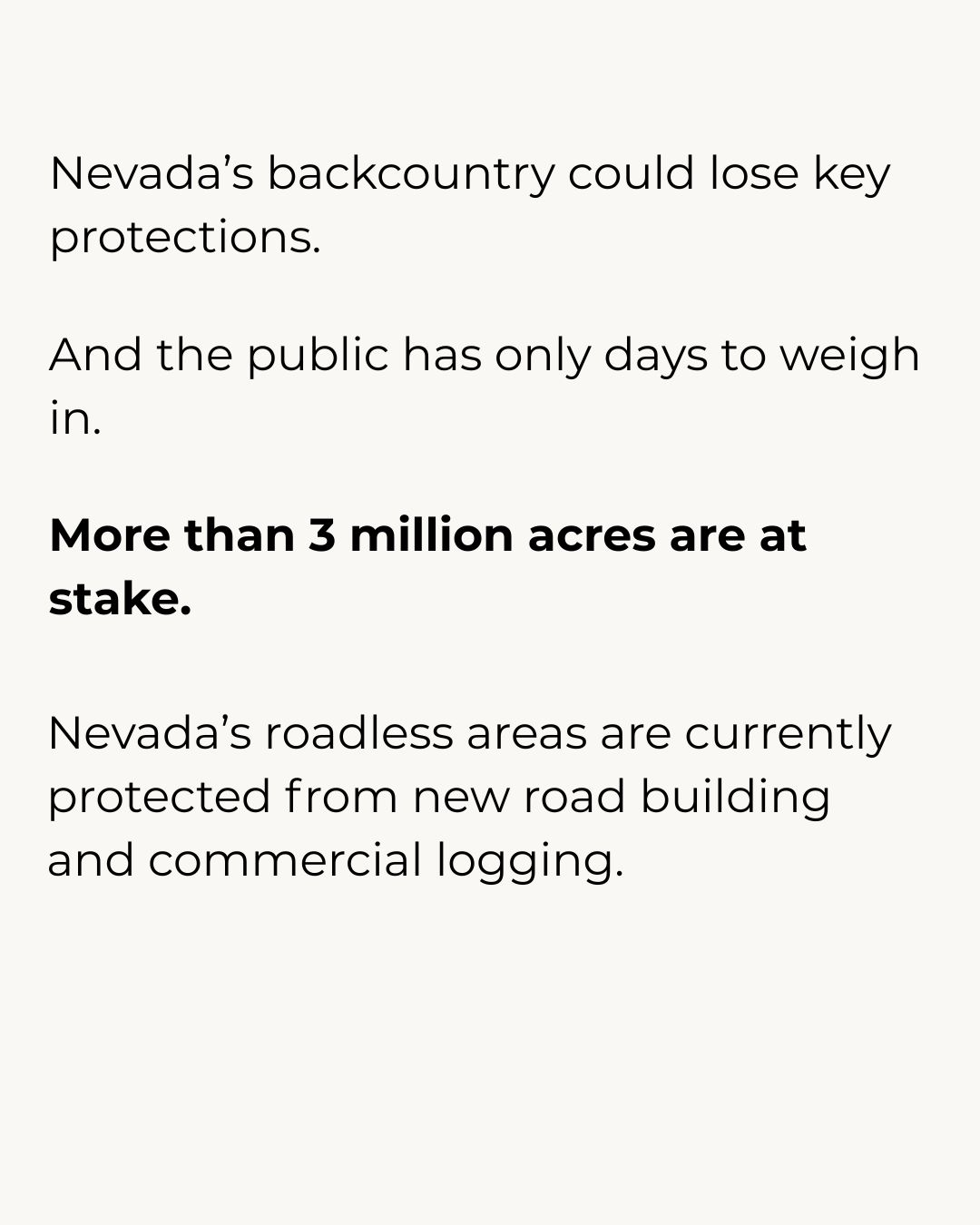
Proposed federal rule changes could remove roadless protections from more than 3 million acres in Nevada, opening currently protected lands to new road building and commercial logging. Another proposal could also expand off-road vehicle access on Forest Service lands.

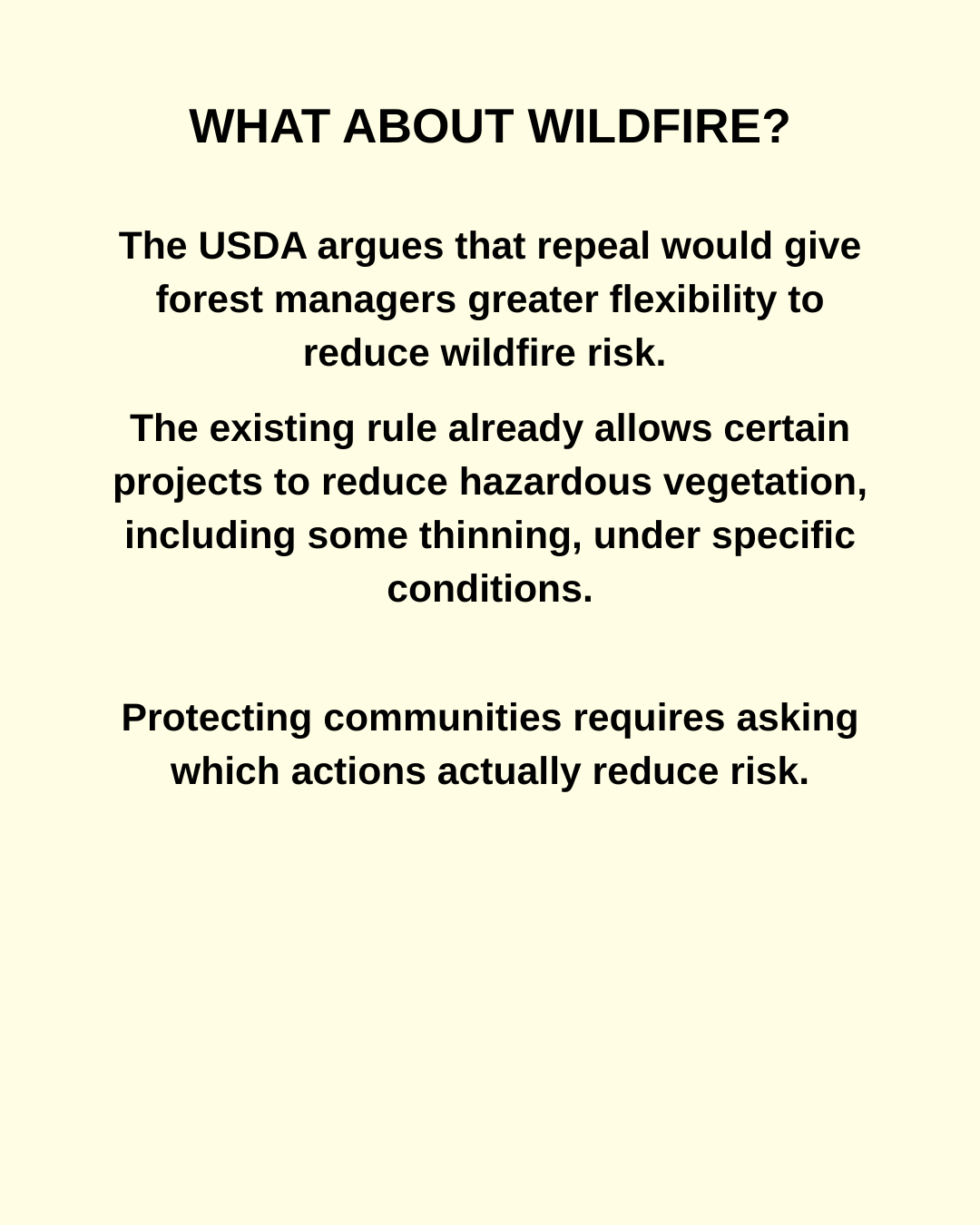
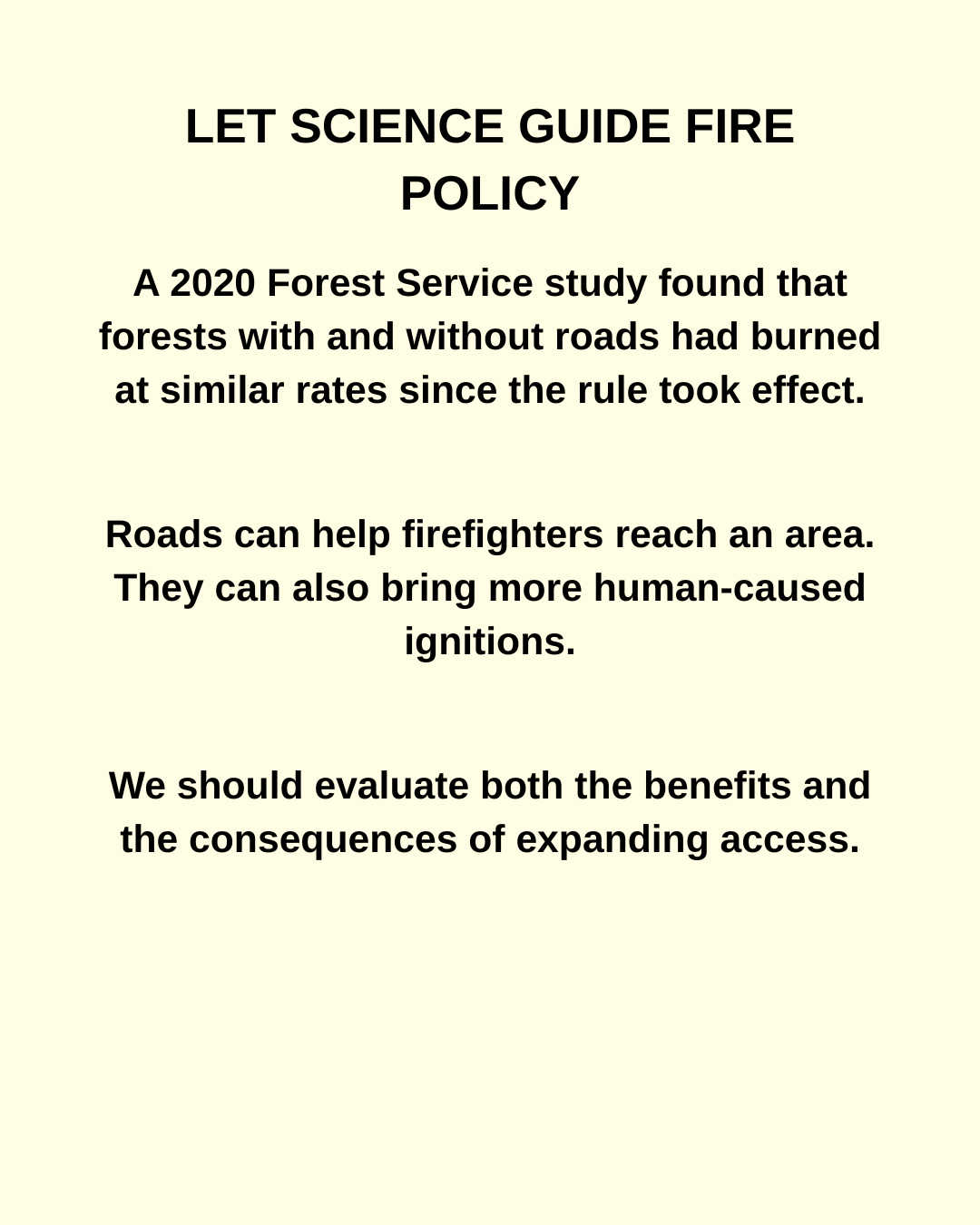
Wildfire preparedness matters. Targeted, science-based forest restoration and fuel reduction can protect communities. But more roads do not automatically mean safer forests—and can bring more fragmentation, habitat loss, and opportunities for human-caused wildfire ignitions.

LEAN believes Nevada needs careful, locally informed stewardship that respects Tribal nations, protects public lands, and builds real wildfire resilience.

Public comment on the proposed Roadless Rule repeal closes October 6.

Connection to LEAN Action Alert and post explaining in-depth the Roadless Rule.

LEAN Briefing: Lithium Mining, Wildlife, and the McDermitt Caldera

Northern Nevada’s McDermitt Caldera is becoming a focal point in the national rush for “critical minerals.” The region holds major lithium deposits, but it is also sagebrush habitat for sage-grouse, home to Lahontan cutthroat trout and rare plants, ancestral land for Tribal nations, and working range for local ranchers.

The proposed McDermitt Lithium project has been fast-tracked for exploration, with plans for 168 drill sites and more than 21 miles of new access roads. Advocates are raising serious questions about groundwater use in an already stressed basin, habitat fragmentation, Tribal consultation, and whether the public had adequate opportunity to weigh in.

WHY THIS MATTERS FOR NEVADA

Water is already scarce.
The proposed drilling could require pumping an estimated 31.5 million gallons of groundwater. The McDermitt Creek/Quinn River basin has long faced groundwater pressure, and Nevada has denied further groundwater applications there for decades. Any review must take seriously the impacts on springs, streams, wildlife, ranching, and existing water users.

Wildlife protections cannot be an afterthought.
The project area includes high-quality sage-grouse habitat and active breeding grounds. Sage-grouse depend on intact sagebrush landscapes, which are already being lost to wildfire, invasive species, climate change, and development. Roads, drilling, noise, lights, and disturbed soil can fragment habitat and further weaken a struggling population.

Tribal consultation must be meaningful, early, and ongoing.
For Fort McDermitt Paiute, Shoshone, Bannock, and other Indigenous people, this is ancestral land with cultural sites, burial grounds, hunting areas, and places where traditional foods and medicines are gathered. Consultation cannot simply mean notice after major decisions are underway; it must include real opportunity to shape outcomes.

Rural livelihoods deserve protection.
Local ranchers fear losing grazing access and water infrastructure while carrying the impacts of industrial activity. A just transition must not pit renewable-energy extraction against families who have cared for these landscapes and rely on them for their livelihoods.

Nevada should not have to choose between clean-energy materials and healthy communities.

We need a critical-minerals policy that protects scarce water, honors Tribal sovereignty, safeguards wildlife, respects rural livelihoods, requires strong reclamation, and ensures the public, not corporations, benefits from resources taken from public lands.

A clean-energy future must also be a just one.

LEAN INTO 2026: Governor

Why it matters

Nevada’s governor leads the executive branch and holds the state’s “supreme executive power.” Elected statewide every four years and limited to two terms, the governor has significant influence over the direction of state government.

The governor can sign or veto bills passed by the Legislature, call special legislative sessions, fill certain vacancies, grant pardons, and serve as commander in chief of Nevada’s military forces. The governor also appoints people to important boards, commissions, agencies, and judicial vacancies—decisions that can shape policy long after an election.

Every two years, the governor prepares Nevada’s executive budget. Because the Legislature often adjusts that proposal rather than rebuilding it from scratch, the governor has immense power to set priorities for education, health care, housing, public safety, public lands, and other vital services.

During emergencies, a governor can also exercise broad authority to protect public health and safety. The governor’s office may be small, but its decisions affect every Nevada community.

Who is Running?

Currently, the incumbent is Governor Joe Lombardo is being challenged by Current Attorney General Aaron Ford.

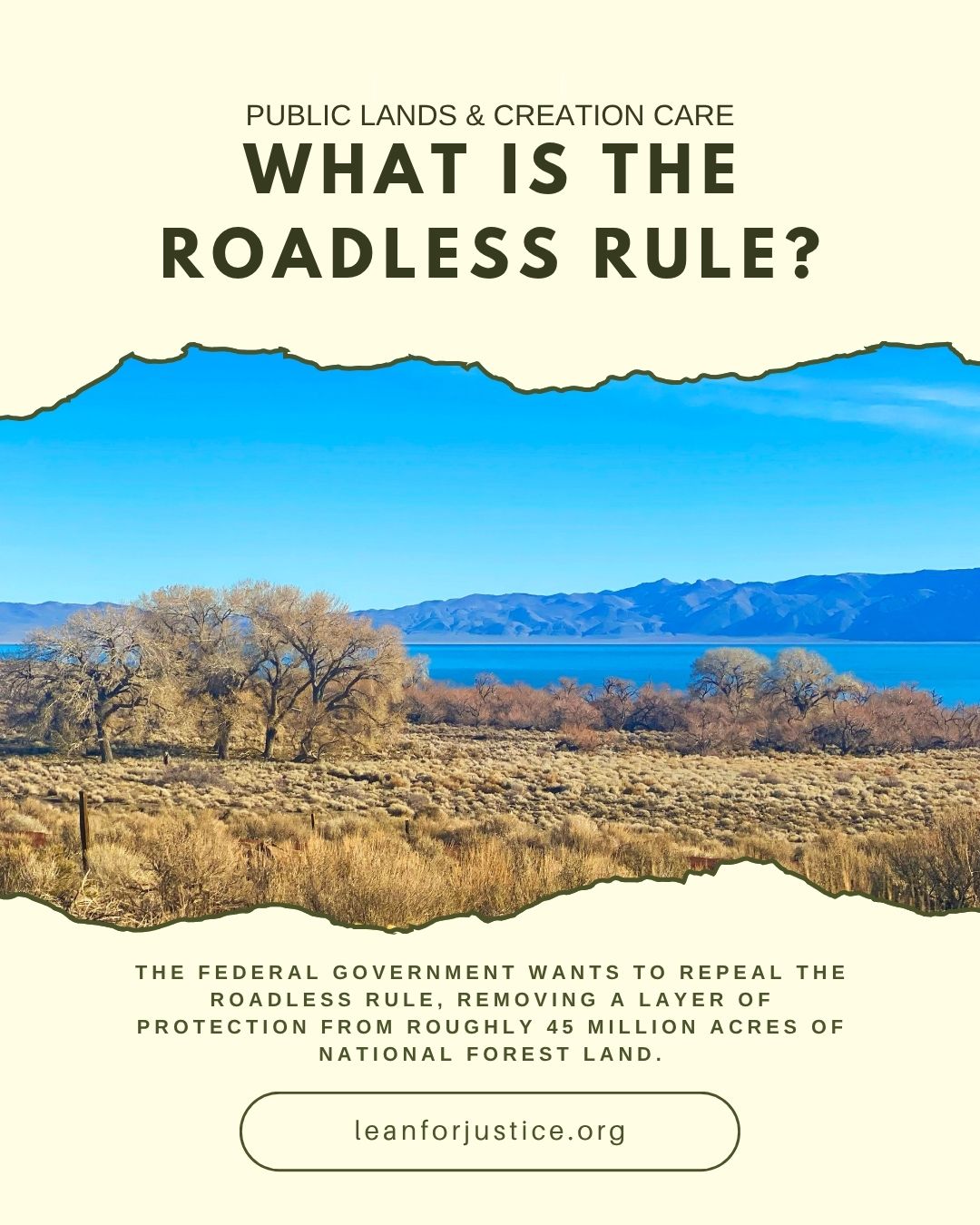
Public Lands and Creation Care: What Is the Roadless Rule?

Here in Nevada, we know the value of open spaces. We also know that decisions about their future deserve our attention.

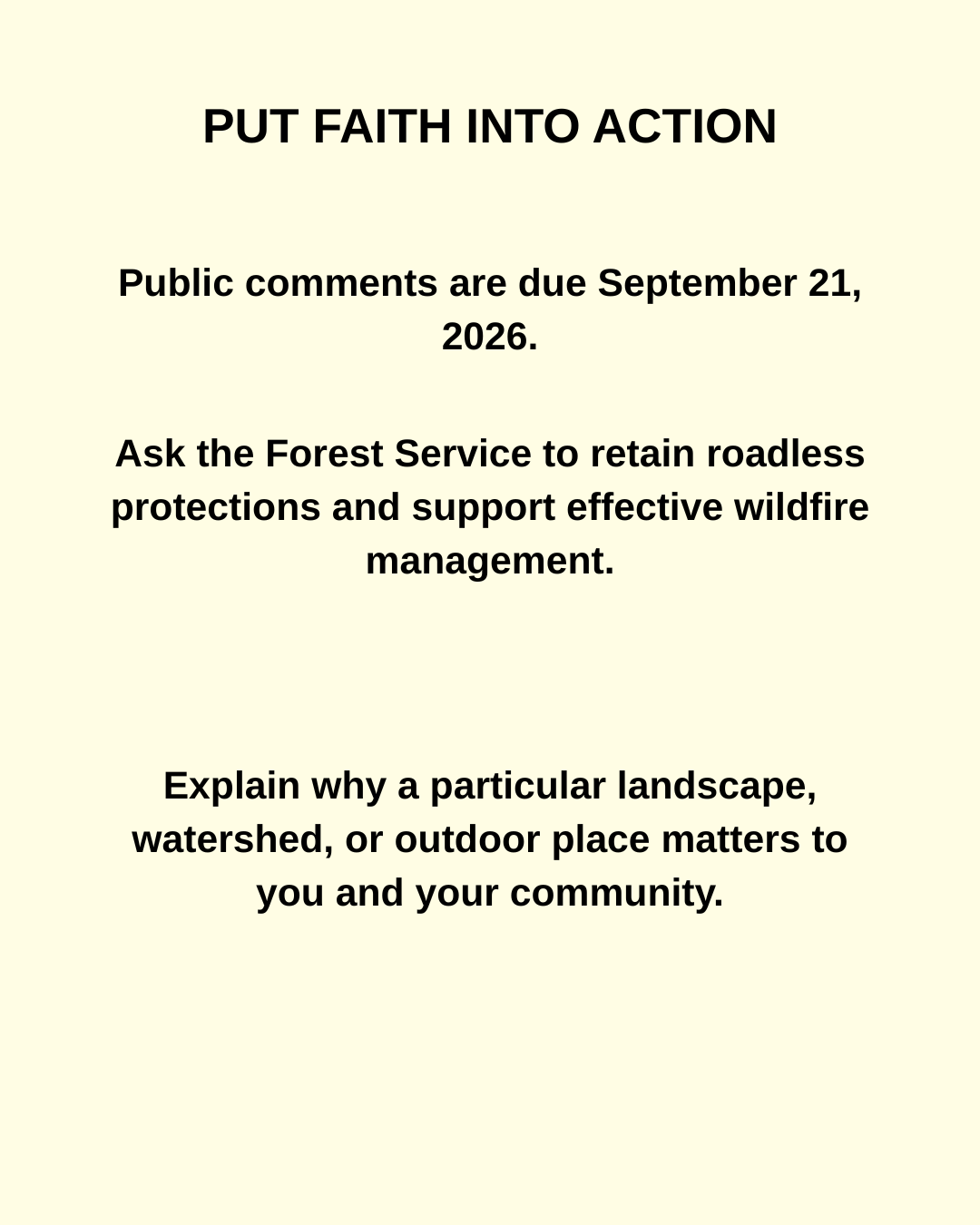
The federal government is proposing to repeal the Roadless Rule, which limits roadbuilding and timber harvesting in designated national forest areas. The proposal would remove a national layer of protection and give individual forest management plans a greater role. Public comments are due September 21, 2026. Read the proposal

For LEAN, our call to care for creation reaches into public policy. It asks us to consider our neighbors, respect Tribal sovereignty, and take responsibility for what we leave to future generations.

Swipe through to understand what is being proposed—and how you can speak up.

Tending creation includes paying attention to the policies that shape its future.

Submit your Public Comment.