From our Partners in Ministry at Lutheran Office for Public Policy in California
“For he is our peace; in his flesh he has made both into one and has broken down the dividing wall, that is, the hostility between us” (Ephesians 2:14).
In Ephesians, either Paul or his disciple invites us to see ourvocations, the gifts and responsibilities entrusted to us, as holy offerings to the household of God. In this divine architecture, all are called to build the Kin(g)dom of God through mutual dignity, truth-telling, and service. The text challenges us to submit our vocational lives, be it as lawmakers, policy professionals, caregivers, or neighbors, to the self-giving love of Christ, who is our peace. Ephesians reminds us that vocation is not just, or even primarily, about personal fulfillment.Vocation ispublic discipleship. When we honor our own gifts and recognize the vocations of others as sacred, we resist the alienation and hierarchy that mark so much of our civic and political life. This is especially urgent for public servants, who often bear the emotional and physical toll of conflict and unrest. The church must continue to name their labor as sacred and stand with all who bear vocational burdens in pursuit of the common good.
This week, we grieve and condemn a series of recent violent political acts that have shaken our collective conscience. U.S. Senator Alex Padilla (D-CA) was shoved, forced to the ground, and handcuffed by security after attempting to ask a question at a press conference while defending the integrity of public servants. And there was a devastating attack on Minnesota lawmakers that left State Representative Melissa Hortman and her husband, Mark, dead, and State Senator John Hoffman and his wife, Yvette, hospitalized with serious injuries. We name these acts for what they are, political violence. We reject them with our whole hearts.
We are living through a pivotal moment in our nation’s history. The atmosphere is charged with division, fear, and escalating threats against those who serve in public life. But as Bishop Elizabeth Eaton reminded us last year, “division and violence don’t have to be our inevitable future.” Our call, as people of faith, is not to retreat but to show up with courage, love, and conviction.
Lutheran theology grounds us in a robust understanding of vocation: “Freed through the Gospel, we are to serve others through arenas of responsibility such as family, work, and community life” . For those of us in the ministry of public policy, whether in Washington, Sacramento, or our own congregations, this means stepping boldly into advocacy as peacemakers, peacekeepers, and truth-tellers, even when it is costly. Political violence has no place in our shared life. We mourn those whose lives have been stolen by it, we stand with those who have been targeted by it, and we recommit ourselves to the long, faithful work of peacebuilding.
Jesus’s commandment to us to love one another as he loved us must inform our participation in the democratic process. Our faith should give us the strength to listen to our opponents when we want to denounce them, to respect those with whom we disagree, even when our instincts are to respond to fear and hate with disdain and rejection. We must have faith in ourselves and our ability to remain calm in the face of chaos, to preach love when surrounded by anger.
May we resist dehumanizing rhetoric, confess the violent tendencies within ourselves and our culture, and renew our collective courage to live as disciples of the Risen Christ, who breaks down walls and calls us to be bridge-builders, justice-seekers, and peacemakers.
In faith and fierce hope,
PAX,
Regina Q. Banks, JD
Director, Lutheran Office of Public Policy – California
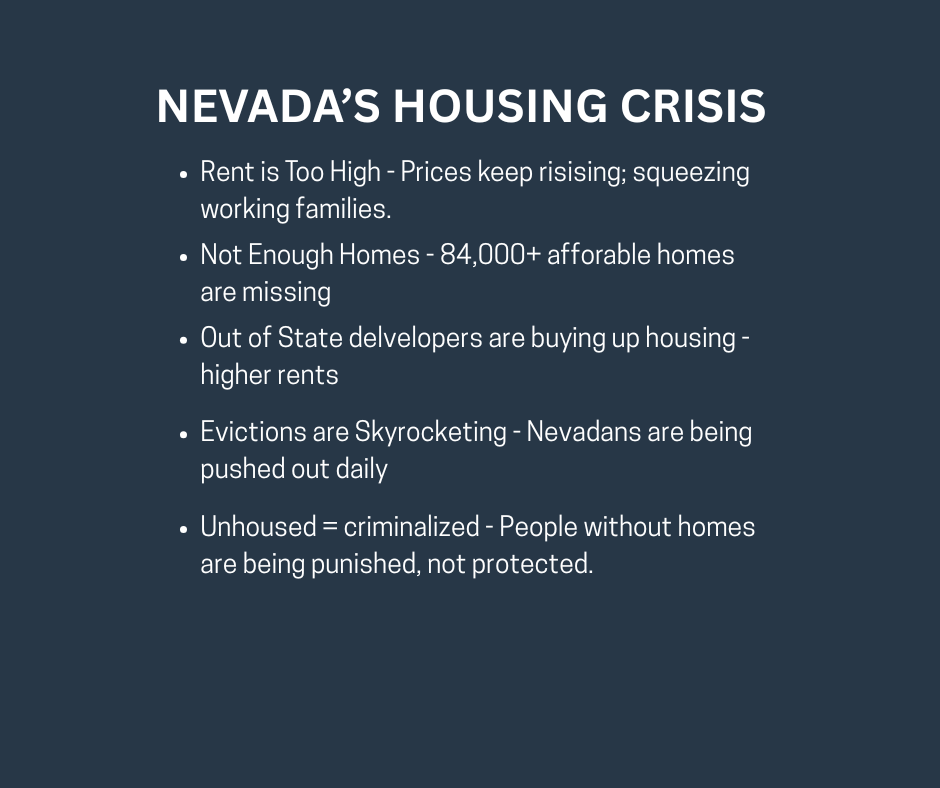
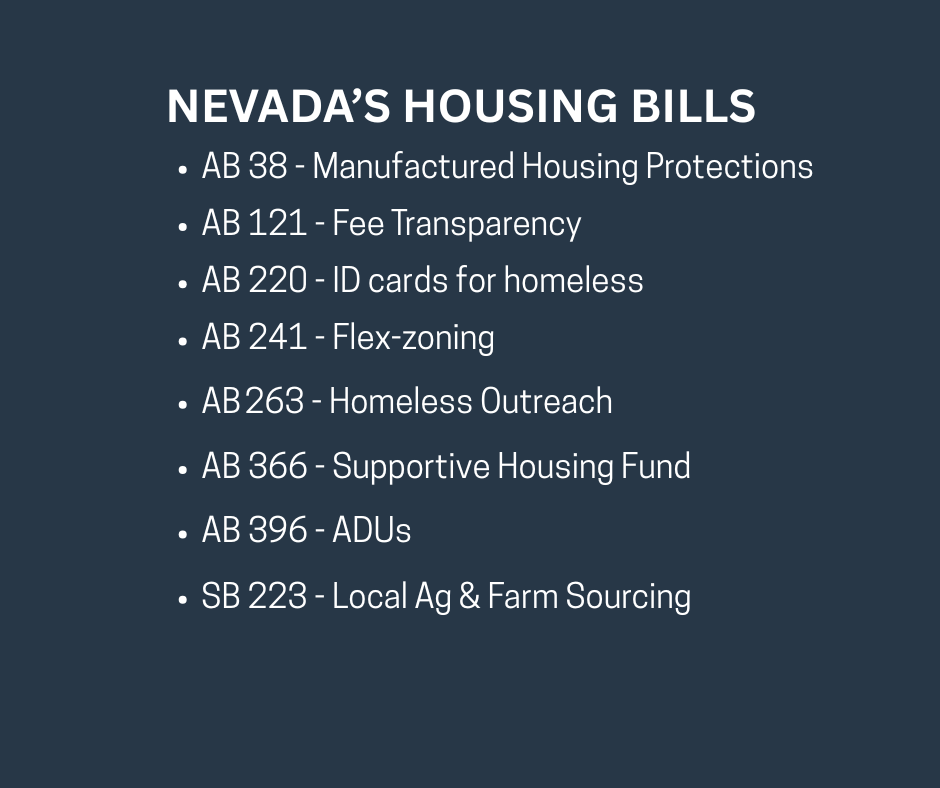
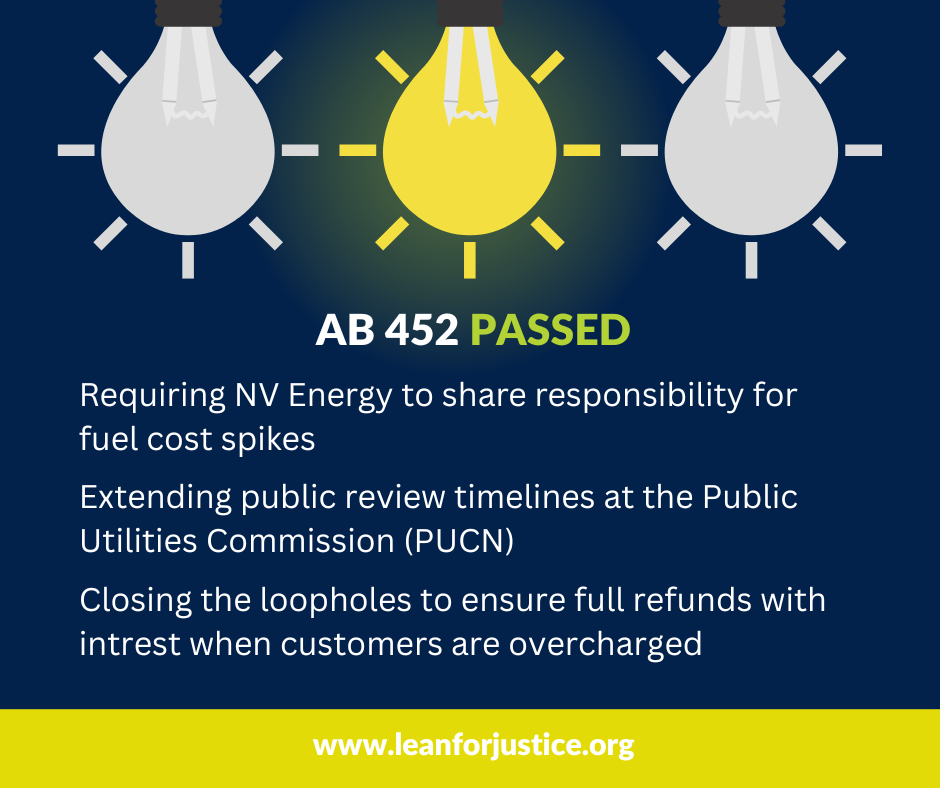
July 1st was not just the start of a new month, but it was also when about 200 bills passed went into effect. Over 500 bills were signed into law during the 83rd Legislative session. Lutheran Engagement and Advocacy in Nevada is proud to have bills signed into Law by Governor Lombardo, and we have highlighted them below.
Highlights
Health Care and Public Health
Focus: Advancing equitable, accessible, and accountable healthcare—especially for those most at risk
By Ryan Fonseca-Vega, ELCA Advocacy Intern, July 26 2024
August presents unique opportunities to bring our deep concerns as Christians about many things related to our planet and the beings that inhabit it to U.S. Congress in our own backyards. In-person and virtual meetings, as well as Town Halls, can be scheduled in this month as the U.S. Congress usually takes a recess. Representatives and senators often visit their congressional districts and/or home states in August to reconnect with their constituents – like you.
TIPS FOR ARRANGING A MEETING
Whether in-person or virtual, a social ministry or faith-based group you are part of may want to connect to highlight your experience and priorities with your federal elected official directly on an issue about which they have influence.
Who and Where
First and foremost, learn who your elected official is and where they are located. To locate your member of the U.S. House of Representatives, house.gov/representatives/find-your-representative is a great tool. Also available is govtrack.us, using your location to find your senators and representatives .
Follow links to get a photo of the elected official and their website, which will include office locations and other resources.
From the elected official’s website is often a link to make a scheduling request (but an old-fashioned phone call can also help you learn how to accomplish this).
Scheduling a Virtual District Meeting
This may be the easiest way to arrange a meeting, and the online tool from the lawmaker’s website should guide the process. For you and those who may take part with you, there is a minimal need to consider travel time, and it can take place anywhere.
Make sure to inform the official’s office that you are a constituent.
Clearly prepare the reason for the meeting or what the meeting will be focused on. For example, you may want to share your priorities on the Farm Bill or other legislation in federal discussion.
TIP: You may be providing the virtual platform for the meeting. If so, clearly determine the correct link. For example, will you use Skype/Teams/Zoom?
TIP: Assure there is no time limit for the platform you have chosen so that there is no pressure to rush the meeting.
In my experience, these meetings usually go well and smoothly. Most likely, it will be a staffer of the elected official on the virtual call. Get to know the staffer and get their contact information. They are a person consistently speaking with the elected official.
Scheduling an In-Person District Meeting
It is a bit more difficult to schedule such a meeting, especially since the plan may need to account for travel to and from the location. You may try to meet in the elected official’s local office or at your venue. You may want to offer a tour of your facility or even a more hands-on approach such as allowing the policy maker to volunteer some of their time in a pantry or experience daily life in your facility/space.
Here too – make sure to inform the official’s office that you are a constituent.
Here too – clearly prepare the reason for the meeting or what the meeting will be focused on, such as an issue or legislation focus.
TIP: Be ready with options for times and days that the elected official may meet with you. By having a more flexible schedule, and being open, the likelihood of your elected official attending is increased.
Always Confirm
In my experience, there have been times when a request for a meeting has gotten lost between the website and the assigning staff member or other glitches. It is important to follow-up with the scheduler to assure that a meeting, virtual or in-person, is documented on the elected official’s calendar.
TIP: I always follow up with them a few days (4-6) after the initial request to confirm it is on their radar.
PARTICIPATING IN A TOWN HALL
Traditionally, elected officials host two town hall meetings in their respective districts in the month. Your legislators will respond to inquiries during the town hall. By raising your important issue, you can publicly hold your legislator accountable to constituents and start or advance a meaningful conversation.
By checking the legislator’s webpage, you can see if and when they are hosting town halls along with the important details of location and other specifics.
My experience… has been nerve-racking. I recommend that it is important that you have a longer list of questions to avoid asking similar questions that someone else has already asked. If there is a link for you to enter your questions ahead of time, ensure that you do it as early as possible to have the best possibility of it being answered during the town hall. Also, remember to breathe if you are not familiar with public speaking!
GENERAL PREPARATION
As already shared, be very clear on why you want to have this encounter with a lawmaker. Other considerations include deciding who will be part of the meeting (4-5 people in a group is a good number) and developing talking points on your issue/concern that are based on your priorities and experiences.
Although a town hall is different, other meetings can benefit by assigning roles to people participating in the encounter. Following is one way to assign roles.
Introducer/Framer – This person introduces your group at the beginning of the meeting. They also keep an eye on time, wrap-up the meeting, and get the business card or contact information of the staff person that is with the elected official.
TIP: As part of the wrap-up, this person should be sure to express thanks! Something like: “Thank you for meeting with us. We are members of the ELCA and appreciate talking with you about [whatever the vote or concern/issue is]” will reinforce your purpose and end the meeting on a high note.
Storyteller – This most effectively is someone who is impacted by what the bill you are raising is trying to fix or an aspect of the issue/concern. Sharing (as comfortable) personal experience or the experience of the people you are organizing with is valuable.
TIP: I’ve found it is helpful to give a little personal background to allow others to “get you.” Help them understand where you are coming from and how you have been impacted – and how a bill or initiative can change that.
Point Person – This person is more familiar with facts of the bill or issue and can speak to technical questions if they come up – for example: where a bill is in the process or something missing from current discussion.
Closer (may be same as Introducer/Framer) – Near the end of the meeting, this person expresses thanks and asks for further support or highlights district needs overall.
TIP: I’ve found it is important to keep a sense of URGENCY for the bill or issue/concern about which you are advocating.
FOLLOWING UP
Great job showing up in this August Recess opportunity! But just because the meeting or town hall is over, the opportunity is not.
Every participant, if possible, should email your contact or the elected official’s office to thank them for their time, and/or tag them in a social media post.
Build on the experience before a vote or key action on your issue/concern by following up.
And keep the relationship going.
Once the relationship starts, phone calls and other contacts will establish familiarity by name and can make it easier for you to schedule future events and opportunities to bring the concerns shaped through your faith convictions and experiences into the policy process.
Are you a voting member at the 2025 Churchwide Assembly?
Join the Candlelight Prayer Vigil on Wednesday, July 30 at 9:00 pm
What: Evening Candlelight Prayer Vigil When: Wednesday, July 30 @ 9:00 pm, for approx 30 mins total (following the day’s assembly business) Where: Peace Park (the Catholic Diocese of Phoenix park on E. Monroe St) Theme: Recognizing and preserving the human dignity of all God’s people, with special emphasis on migrant, asylee and refugee communities
The occasion is the triennial Evangelical Lutheran Church in America (ELCA) Churchwide Assembly, in which 850+ Lutherans, including bishops and representatives of all 65 synods across the U.S. will gather in Phoenix to discuss church business, worship, and this year, elect a new presiding bishop. The ELCA has approximately 2.79 million baptized members in 8,498 congregations, and there are 30,000 ELCA Lutherans in Arizona.
The theme for the evening vigil is recognizing and preserving the human dignity of all God’s people, with special emphasis on migrant, asylee and refugee communities. This is a critical time to respond to the needs of our neighbor as we continue to live our faith in action, to care for the most vulnerable among us, those whom Jesus has told us to love and to care for, the poor and the marginalized. The ELCA practices an accompaniment model, which means we work together in solidarity with our global companions, striving to share God’s love and to participate in God’s mission together.
The 30-min program includes remarks from Rev. Elizabeth A. Eaton, presiding bishop of the ELCA and other faith leaders and legislators, music and prayer.
We anticipate that all Lutherans gathered for Churchwide Assembly will attend the vigil. Judicatory heads from across all faith communities in Arizona are being invited, as well as local congregations.