As Black History Month begins, we honor the legacy of Black faith leaders, organizers, and communities who have long stood at the forefront of justice, dignity, and collective care.
Black history is not something we remember once a year—it is something we live. It reminds us that faith has never been passive, and hope has always been practiced through courageous action, collective care, and community organizing.
This month, we invite people of faith and goodwill to recommit themselves to telling the truth, staying rooted in love, and organizing together for a more just and liberated Nevada.
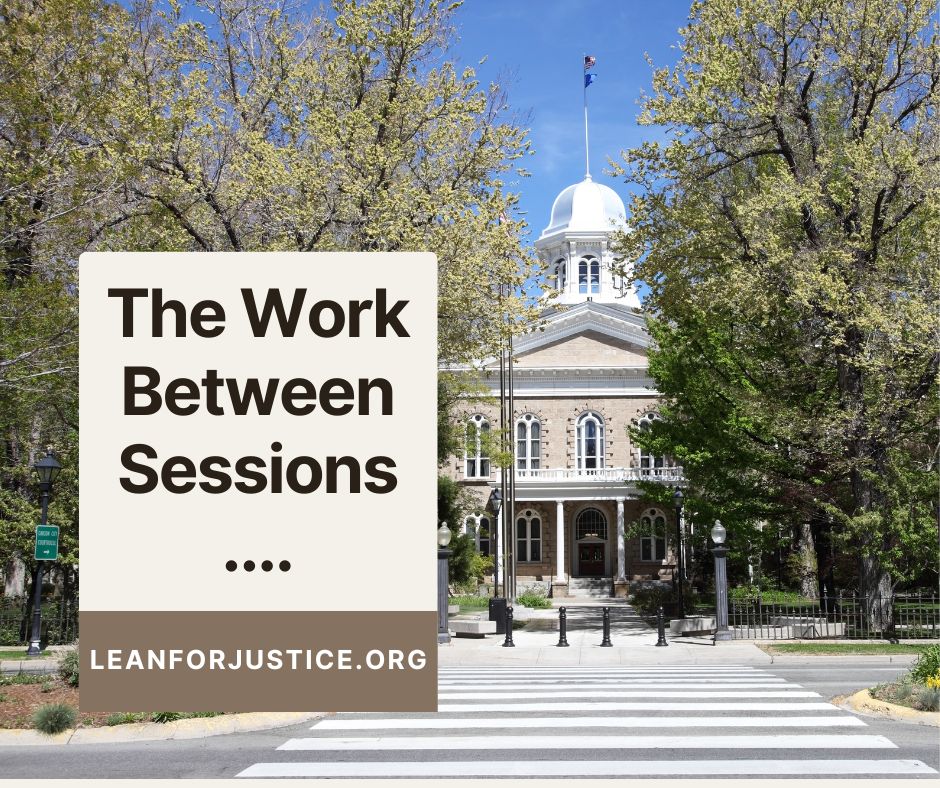
A couple of weeks ago, a video from the Chair of the Legislative Committee to Review Oversight of the Lake Tahoe Regional Planning Agency popped up in my Instagram feed. She was sharing about her role overseeing planning agencies in the Lake Tahoe Basin, and it was a timely reminder of how much work happens after the Legislature gavels out.
When the Legislative Session ends, the Interim Session begins.
Earlier this month, the newly created Regional Rail Transit Working Group held its first meeting. This group, authorized during the last session, is tasked with studying regional rail options, including the heavily congested I-80 corridor to Storey County. During the interim, lawmakers, agencies, and community partners are digging into issues ranging from education and housing to the Nevada Youth Legislature and rural behavioral health.
While we won’t see new bills introduced until 2027, the work very much continues. These interim conversations, studies, and working groups are where ideas are shaped, relationships are built, and momentum begins, long before a bill ever gets a number.
So I’m curious: what issues are on your mind right now? What should LEAN be paying attention to, organizing around, and preparing for in the months ahead?
Drop a comment, send us a message, or grab coffee with us. The future of Nevada’s policies is being shaped now—and we want to build it together.
How might we, in the coming year, use our mouths and our minds, our hands and our feet, to bear true witness—always within the light of God’s amazing grace?
Just weeks ago, we proclaimed Emmanuel, God is with us. We gathered around the waters of baptism, lifted the voices of our youth, and celebrated new life in Christ. And at the very same time, we have been living amid grief, violence, fear, and uncertainty.
This week, Jesus meets us on the mountain in the Gospel of Matthew and speaks his first sermon, not from a place of power, but from a place of deep seeing. Jesus looks at the crowds, hears their cries, and declares nine times in a row: You are blessed.
Blessed when we are exhausted. Blessed when we are grieving. Blessed when we are struggling just to make it through the day.
Before anything else, Jesus names this truth: we are blessed because God is with us.
And this blessing is not meant to be hoarded or individualized. Jesus’ “you” is plural. It is for the crowds on the hillside, for generations past who endured suffering and cried out for mercy, and for all of us today, carrying burdens both seen and unseen.
The kingdom of God does not dwell in the halls of power or where wealth flows easily. God’s reign is found among those on the margins, among those seeking justice, among those showing up for their neighbors even when the cost is high. In these places, love is made manifest.
So how do we lean into this week, living in the tension of the already and the not yet?
We begin by remembering our blessedness—not as a denial of hardship, but as a grounding truth. And from that place, we take up the call of the prophet Micah: to do justice, love kindness, and walk humbly with God—a daily, faithful walk, one step at a time.
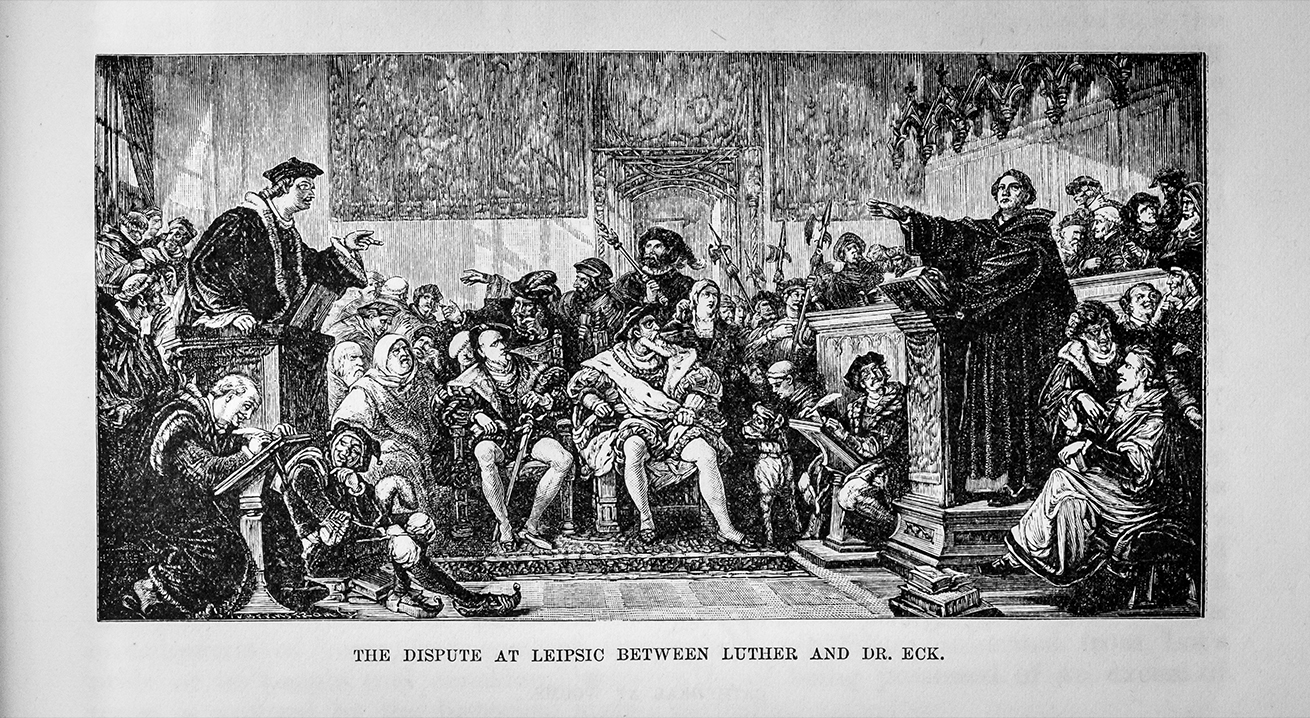
Some days will be joyful. Some days will be heavy. And on the days when fear or exhaustion creep in, Martin Luther’s words still ring true: “I am baptized.” Or perhaps for this week, we remind ourselves again and again:
On January 28, a federal judge issued a Temporary Restraining Order stopping the Administration from arresting and detaining lawfully admitted and resettled refugees in Minnesota under Operation PARRIS while a court case on the issue proceeds.
On January 28, a federal judge issued a Temporary Restraining Order stopping the Administration from arresting and detaining lawfully admitted and resettled refugees in Minnesota under Operation PARRIS while a court case on the issue proceeds.
Since the announcement of Operation PARRIS on January 9, thousands of refugees in Minnesota became the target of an intensive Department of Homeland Security (DHS) operation to reexamine their status under U.S. law. The operation has subjected refugees who were lawfully admitted to the United States and had no charges against them to arrests, detention, and transfers to detention centers in Texas.
What was the basis for the court’s decision?
The court concluded that “Operation PARRIS” represented a dramatic and unlawful departure from longstanding refugee law and agency practice. In the order, Judge Tunheim emphasized that, “Refugees have a legal right to be in the United States, a right to work, a right to live peacefully—and importantly, a right not to be subjected to the terror of being arrested and detained without warrants or cause in their homes or on their way to religious services or to buy groceries.”
Judge Tunheim stated that, “The Court concludes that federal statutes governing refugees and immigrant detention do not permit prolonged detention of unadjusted refugees who have not been charged with any ground of removability.”
The order highlighted American values to protect and welcome refugees fleeing persecution abroad, stating, “At its best, America serves as a haven of individual liberties in a world too often full of tyranny and cruelty. We abandon that ideal when we subject our neighbors to fear and chaos.”
Did the court order DHS to stop arresting and detaining refugees in Minnesota?
The TRO specifically ordered DHS to stop arresting and detaining “individuals with refugee status who are residing in the state of Minnesota, who have not yet adjusted to lawful permanent resident status, and have not been charged with any ground for removal under the Immigration and Nationality Act” until the court considers and rules on a preliminary injunction.
Did the court order the release of refugees detained under Operation PARRIS? Did the court order the return of refugees from Minnesota who were flown to Texas?
Yes. The judge ordered the immediate release of refugees who were detained under the policy in Minnesota. The judge also ordered that refugees who were taken from Minnesota and transferred outside the district be immediately transported back to Minnesota and released within five days. Given the severe weather conditions in Minnesota, the court ordered that the government coordinate with the Plaintiffs’ counsel “to ensure that upon the refugees’ release, they are not left outside in dangerous cold.”
Does the court order have an impact on USCIS interviews of refugees?
The court stated that, “this Order does not affect USCIS’s responsibility to conduct reinspections to adjust refugees’ status to lawful permanent resident. In Minnesota, USCIS may continue this statutory process but without arresting and detaining refugees.”
How long will the temporary restraining order remain in place? When is the court scheduled to hear the case?
The court’s order is temporary until the court rules on the preliminary injunction. The hearing on the motion for a preliminary injunction will be scheduled on February 19, 2026. The case docket with all filings is available here.


 Lutheran Engagement and Advocacy in Nevada