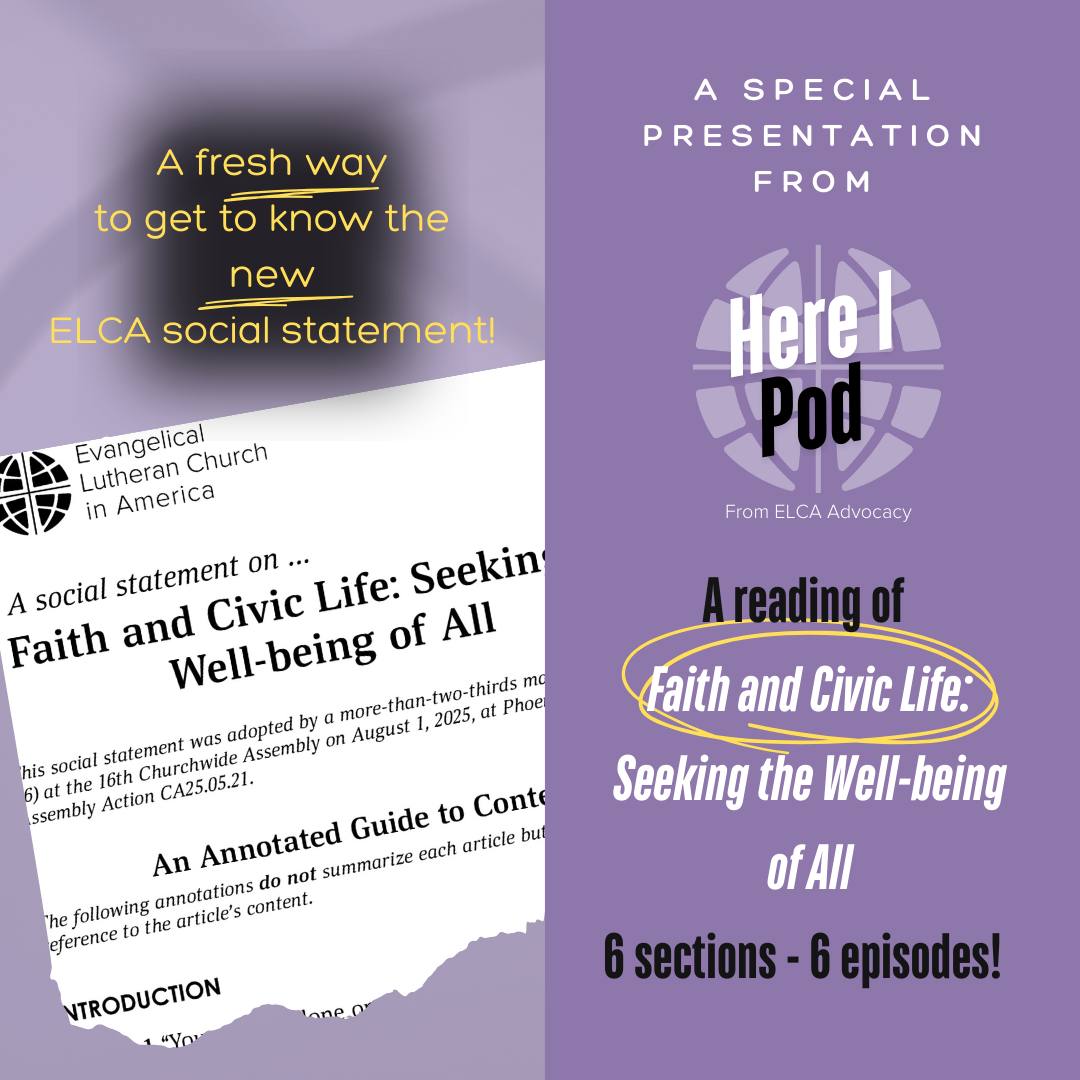
Whatever the activity, check out a reading of “Faith and Civic Life” available from Here I Pod from ELCA Advocacy. Digging into many topics like Christian nationalism, civic diversity, the Constitution, common good and much more, the ELCA social statement reminds us that God is at work in caring for all creation, and we are called to strive to understand and join in that work. Find wherever you get your podcasts and YouTube.com/@elcaadvocacy
Everyone deserves a safe place to call home. Yet across Nevada, too many of our neighbors are being pushed to the brink by soaring rents, stagnant wages, and a severe shortage of affordable housing.
Nevada consistently ranks among the states with the largest gap between wages and housing costs. A full-time worker earning minimum wage cannot afford a two bedroom apartment anywhere in the state. Seniors on fixed incomes, families with children, young adults, and essential workers are being priced out of their own communities.
At the same time:
Affordable housing supply remains far below what is needed
Corporate investors are purchasing large numbers of single-family homes
Evictions continue to destabilize families
Anti-camping ordinances criminalize people experiencing homelessness rather than addressing root causes
Housing instability affects health, education, employment, and public safety. When people cannot afford stable housing, entire communities suffer.
Why This Matters for People of Faith
Housing is not simply a market commodity, it is a matter of human dignity.
In Scripture, God’s vision for community is one where everyone has a place to dwell in safety (Isaiah 65:21–22). Jesus himself experienced housing insecurity and proclaimed good news to those pushed to the margins.
The ELCA teaches:
“Sufficient, safe, and affordable housing is a basic human need.”
Our baptismal call to strive for justice and peace in all the earth compels us to advocate for policies that ensure our neighbors are not left without shelter.
This is about:
Loving our neighbor
The dignity of every person
The common good
What’s Driving Nevada’s Housing Crisis
Rapid population growth without adequate affordable development
Wages that have not kept pace with housing costs
Underfunded affordable housing programs
Speculative real estate investment by corporate entities
Lack of strong tenant protections
Insufficient supportive housing and services
Faith-Rooted Policy Priorities
LEAN supports policies that move Nevada toward housing justice:
1. Invest in Affordable Housing
Expand and fully fund the Nevada Affordable Housing Trust Fund
Increase resources for deeply affordable and supportive housing
Prioritize housing for extremely low-income households
2. Strengthen Tenant Protections
Prevent unjust evictions
Ensure fair leases and transparent fees
Provide access to legal counsel for tenants facing eviction
3. End the Criminalization of Homelessness
Oppose policies that punish people for sleeping outside
Invest in housing-first solutions and supportive services
4. Address Corporate Housing Speculation
Increase transparency and accountability for large-scale investors
Protect pathways to homeownership for Nevadans
5. Increase Stable Funding Streams
Create permanent, sustainable funding for affordable housing development and preservation
The Impact
Stable housing leads to:
Better health outcomes
Improved educational success for children
Stronger local economies
Reduced strain on emergency services
Safer, more connected communities
Housing is one of the most effective ways to prevent poverty and reduce long-term public costs.
Our Moral Vision for Nevada
We believe in a Nevada where:
Homes are for people, not for profit
Workers can afford to live in the communities they serve
Reflecting on International Women’s Day, our author writes: “The good news is that the world is changing. I now see more communities investing in girls’ education, leadership and potential than ever before. My hope is that younger girls see stories like mine and realize that their dreams are not too big.” Find the blog here: https://blogs.elca.org/…/big-dreams-beyond-what-seems…/
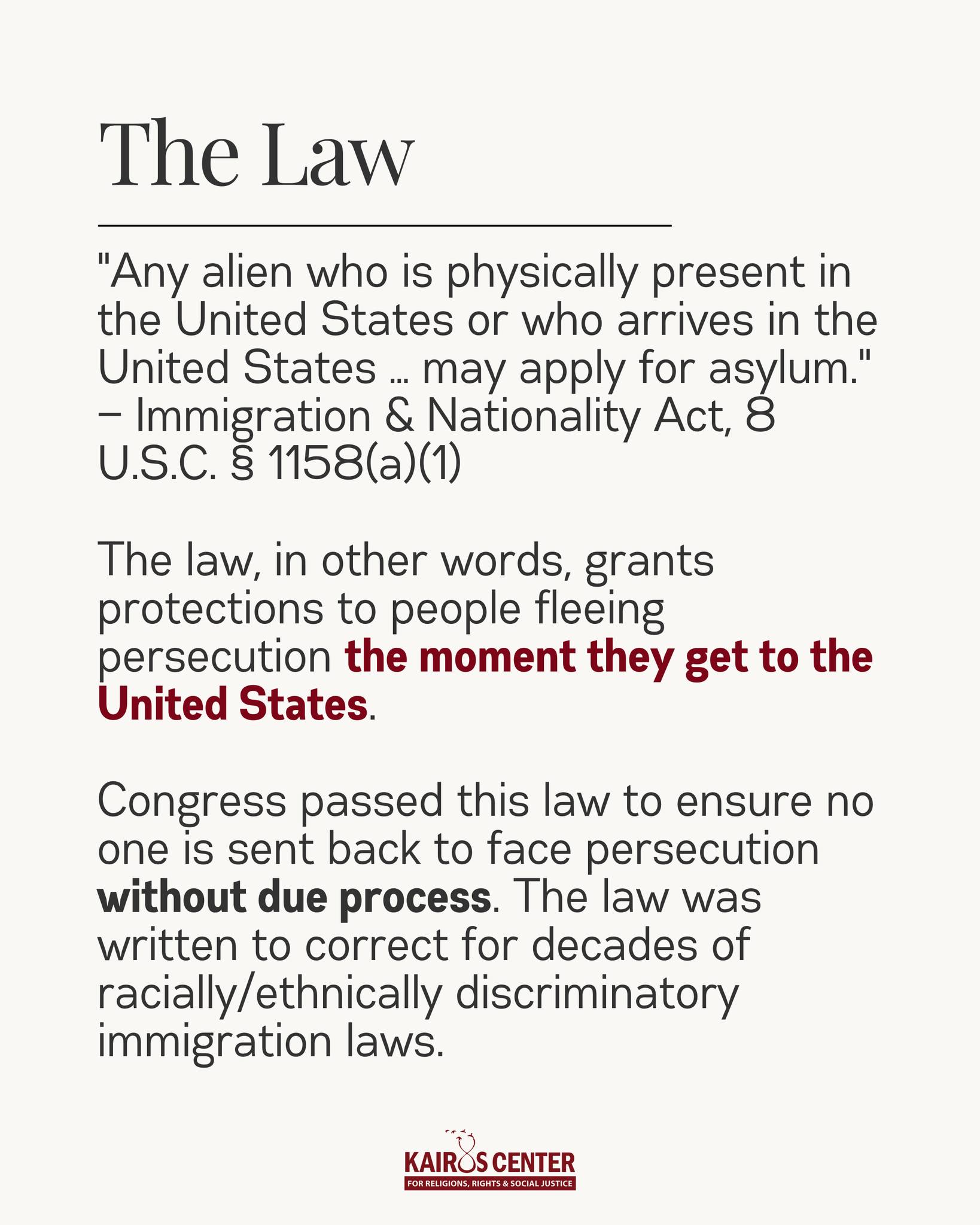
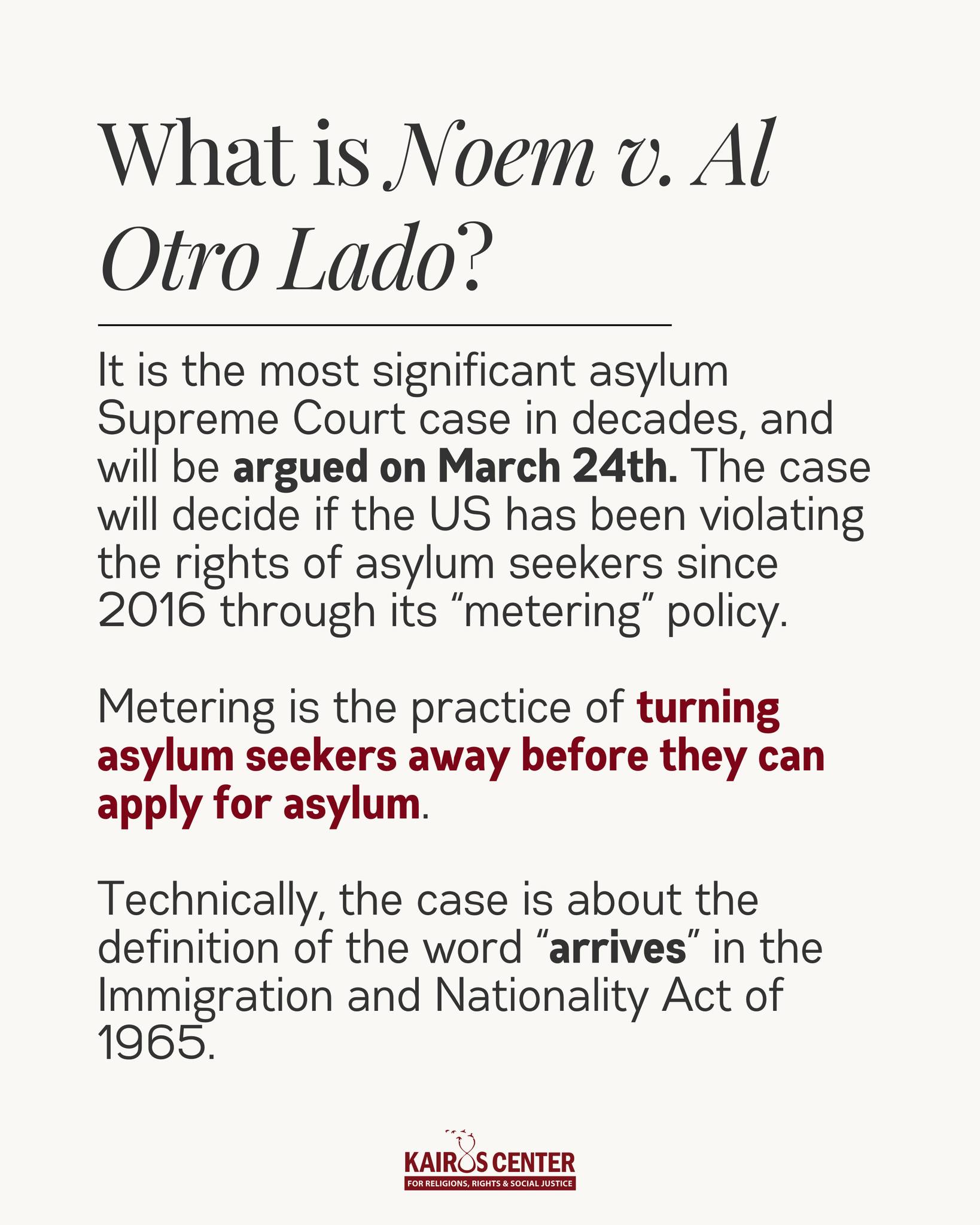
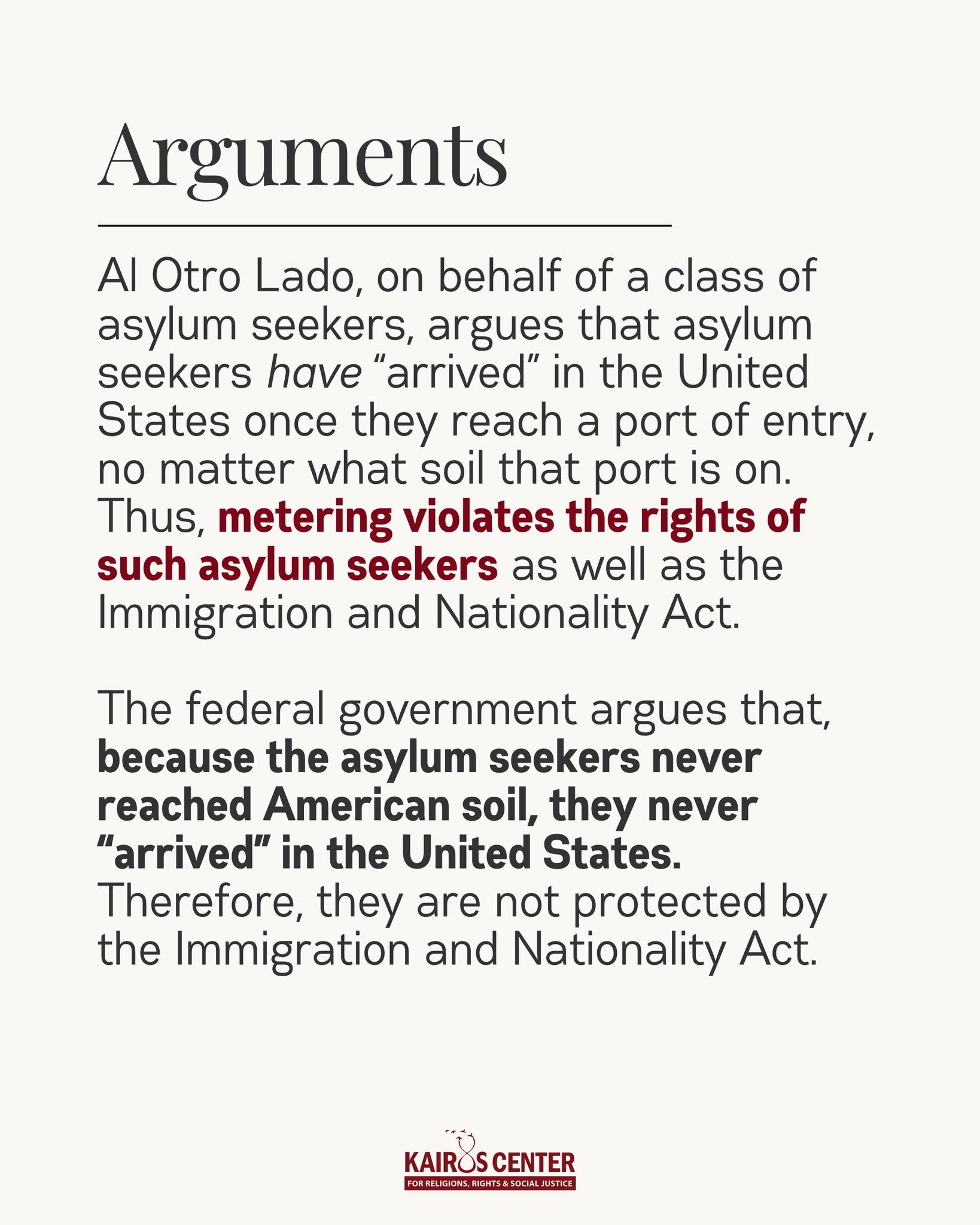
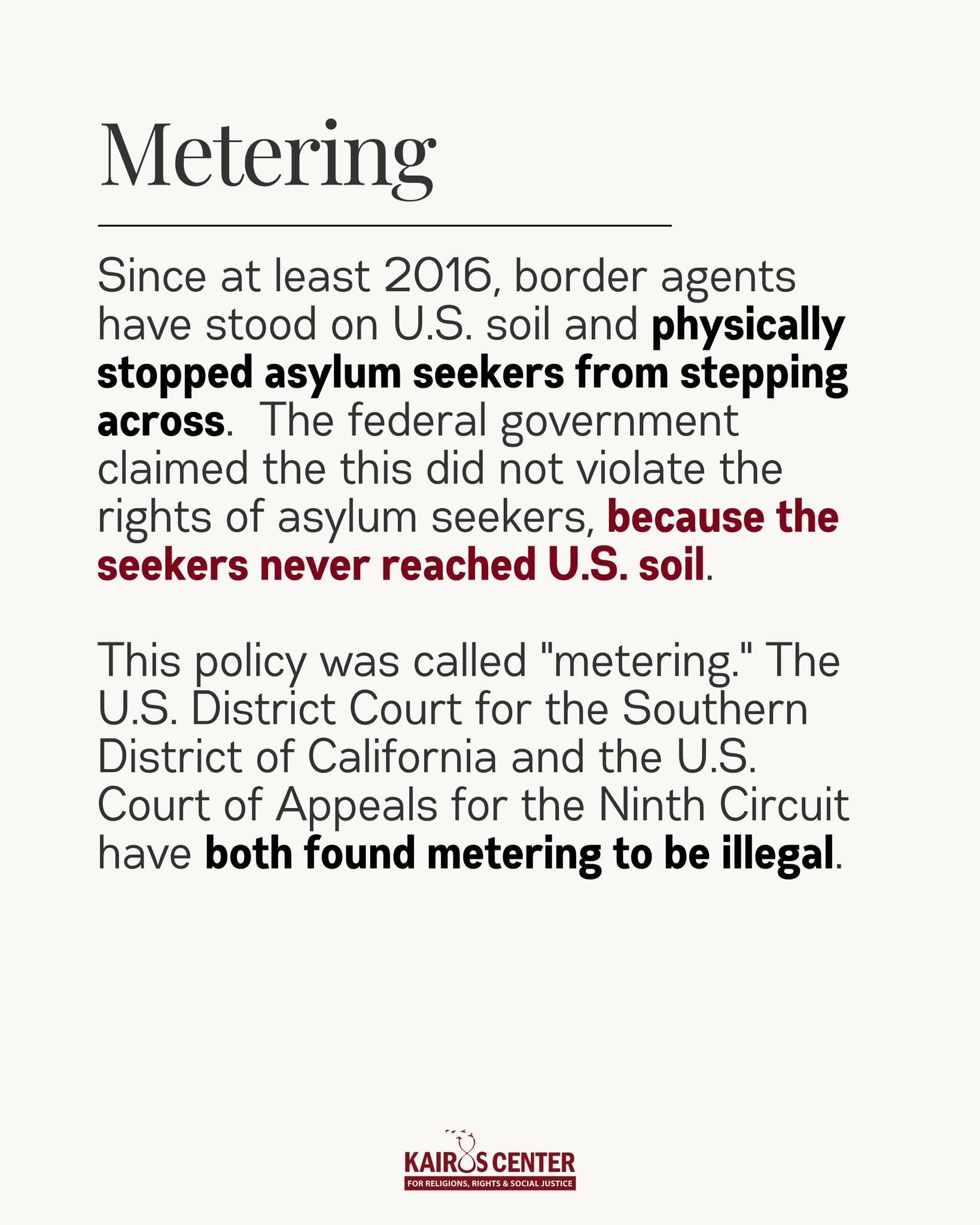
The ELCA is part of an interfaith amicus brief in Noem v. Al Otro Lado, a Supreme Court case on asylum restrictions. Ahead of oral arguments, join the ELCA and faith partners for a vigil in front of the Supreme Court on March 24 at 8:00 a.m. Together, we’ll sing, pray, and declare “No Turning Back” on the sacred and ancient right to asylum. Learn more at https://www.asylumsaveslives.org/.
Ask Congress to support a pathway to citizenship for Dreamers.
The ELCA has long supported protections for people brought to the United States as children, known as “Dreamers.” Dreamers are integral members of our families, churches and communities, yet for decades have lived in limbo without the long-term solution of permanent legal status and a pathway to citizenship. For over 525,000 Dreamers, the Deferred Action for Childhood Arrivals (DACA) program provides work authorization and should protect recipients from deportation, but the program has been largely closed to new applicants since 2017, leaving many individuals without even these temporary and limited protections.
In 2001, Congress first introduced the Dream Act, which would provide permanent legal status and a pathway to citizenship for Dreamers. The bipartisan bill was reintroduced last year by Sen. Dick Durbin (D-IL) and Sen. Lisa Murkowski (R-AK) as the Dream Act of 2025. The American Dream and Promise Act introduced last year in the House would provide protections for Dreamers and recipients of Temporary Protected Status (TPS) and Deferred Enforced Departure (DED).
Support for protections for Dreamers is particularly urgent as DACA recipients have been detained and in some cases deported, separated from their families and the only home some have ever known.
As ELCA social message “Immigration” reminds us, we are encouraged to “Welcome one another, just as Christ has welcomed you, to the glory of God” (Romans 15:7). This is the moment to advocate for our neighbors and for stability and protection for our entire communities.
Ask your member of Congress to co-sponsor and champion legislation protecting Dreamers and to continue to work for dignity, protection and rights for immigrants.




 Lutheran Engagement and Advocacy in Nevada