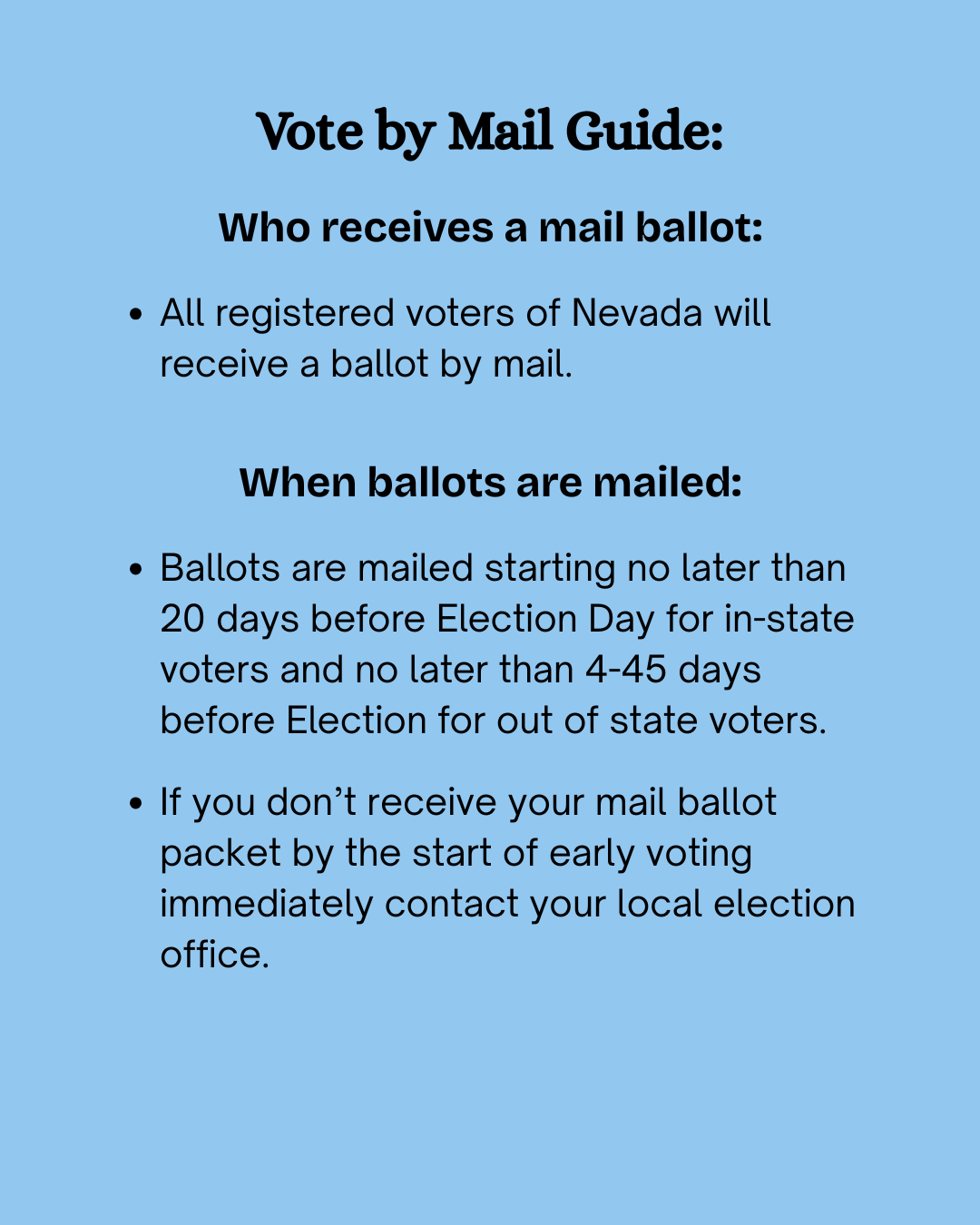
In Nevada, active registered voters receive a ballot by mail unless they opt out. Vote by mail is safe, secure, and one important way Nevadans can make their voices heard.
As people of faith, we believe democracy works best when every neighbor can participate. Voting by mail helps seniors, working families, students, rural voters, people with disabilities, and anyone with a busy schedule make a plan to vote.
Fill it out carefully and sign the return envelope.
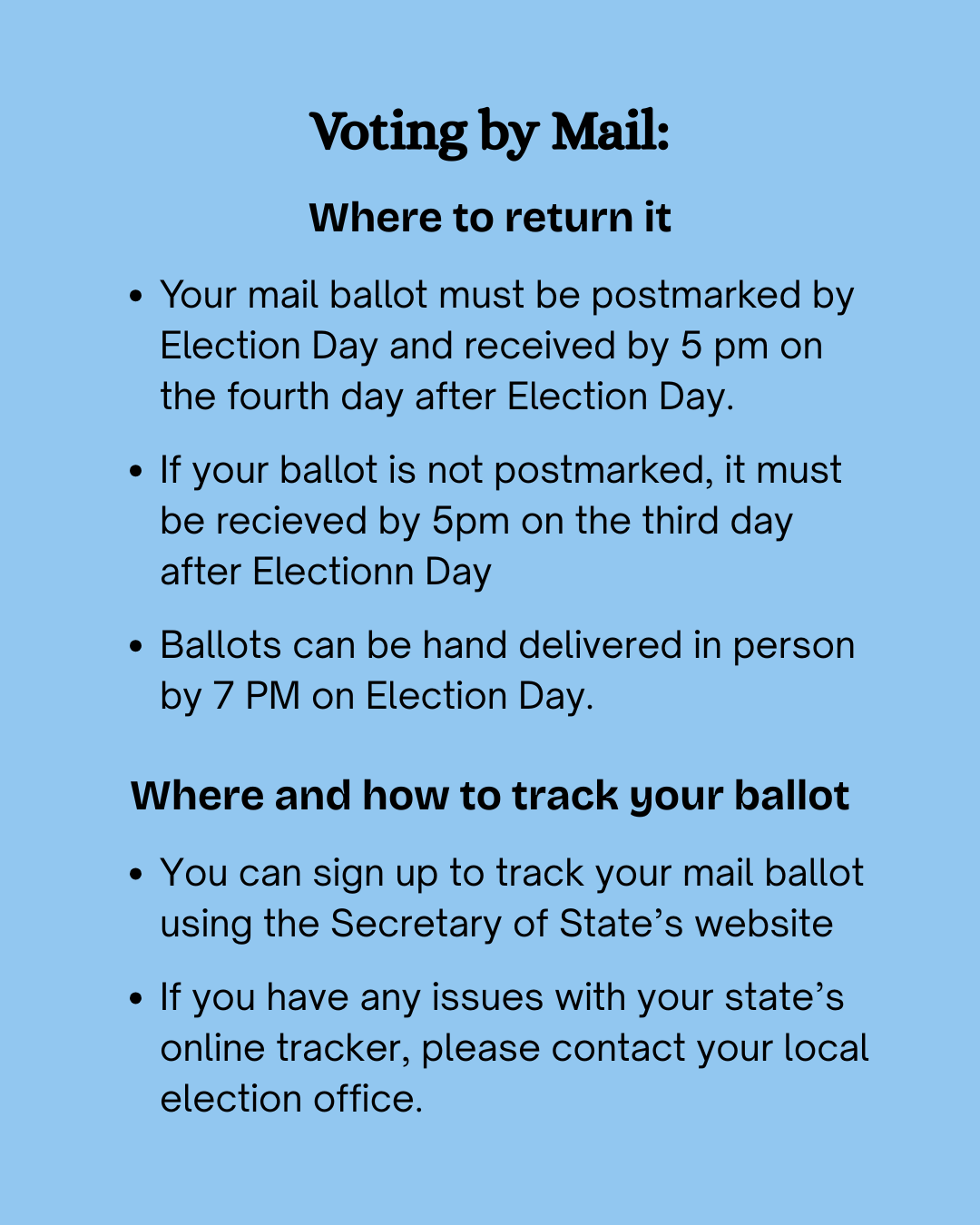
Mail it back early.
IMPORTANT NOTE: The Nevada Secretary of State recommends mailing your ballot at least one week before Election Day.
You can also return your ballot at an official drop box or vote in person if you choose.
LEAN into 2026 by making a plan, helping your neighbors make a plan, and remembering that voting is one way we live out our call to seek justice, love our neighbor, and care for the common good.
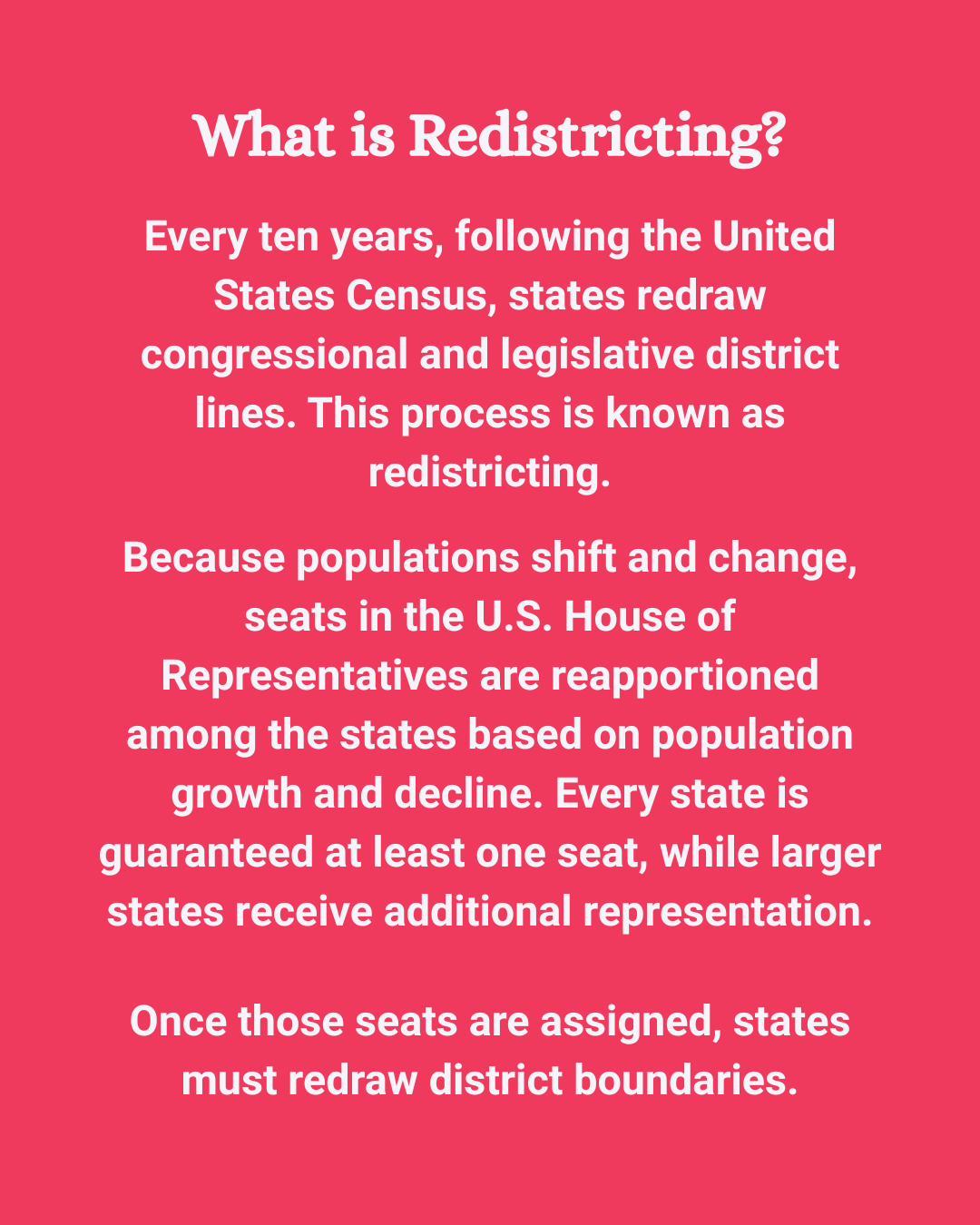
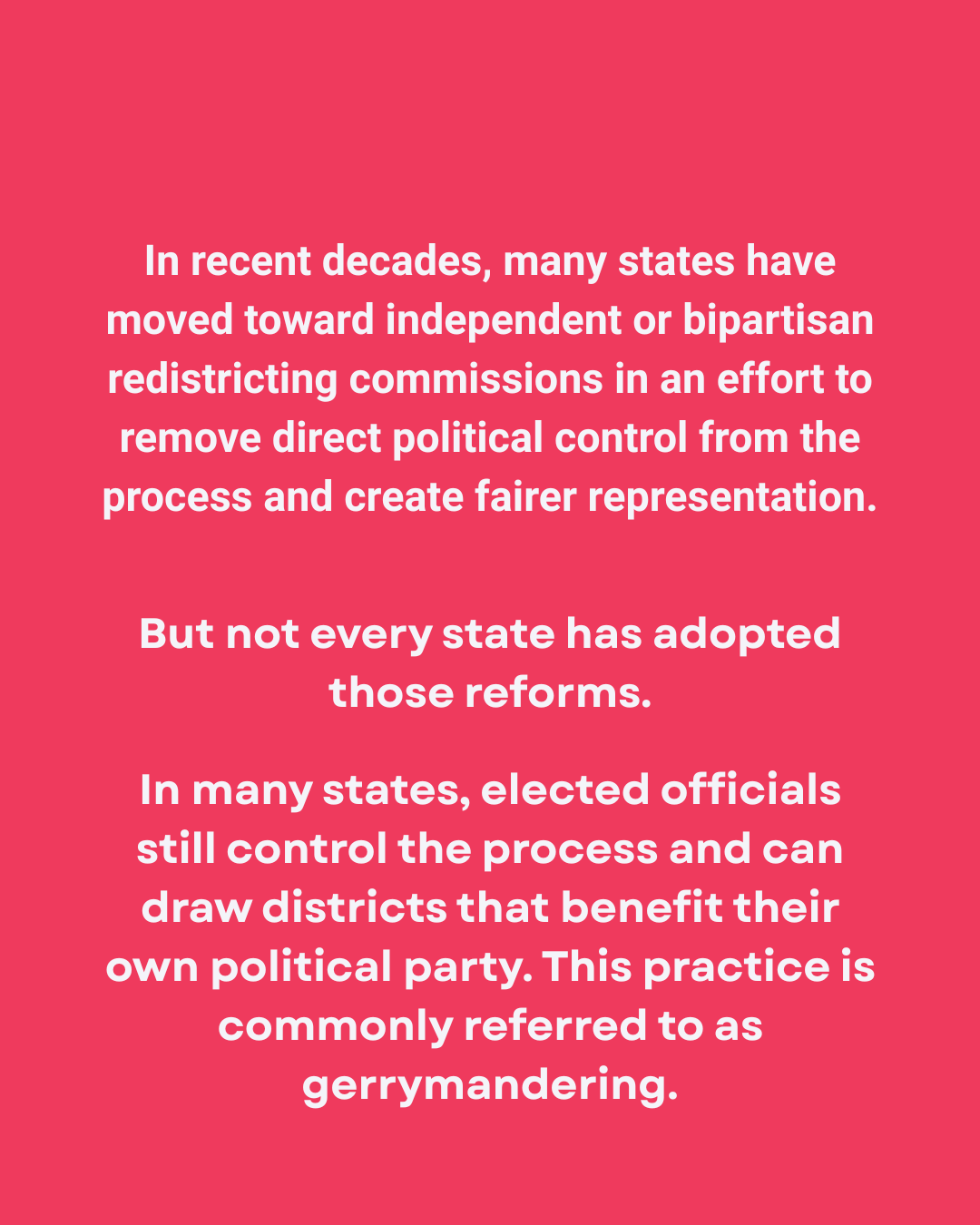
In recent months, conversations around elections have become increasingly tense, polarized, and complicated. One issue that is rapidly shaping the future of American democracy, often before a single vote is cast, is redistricting.
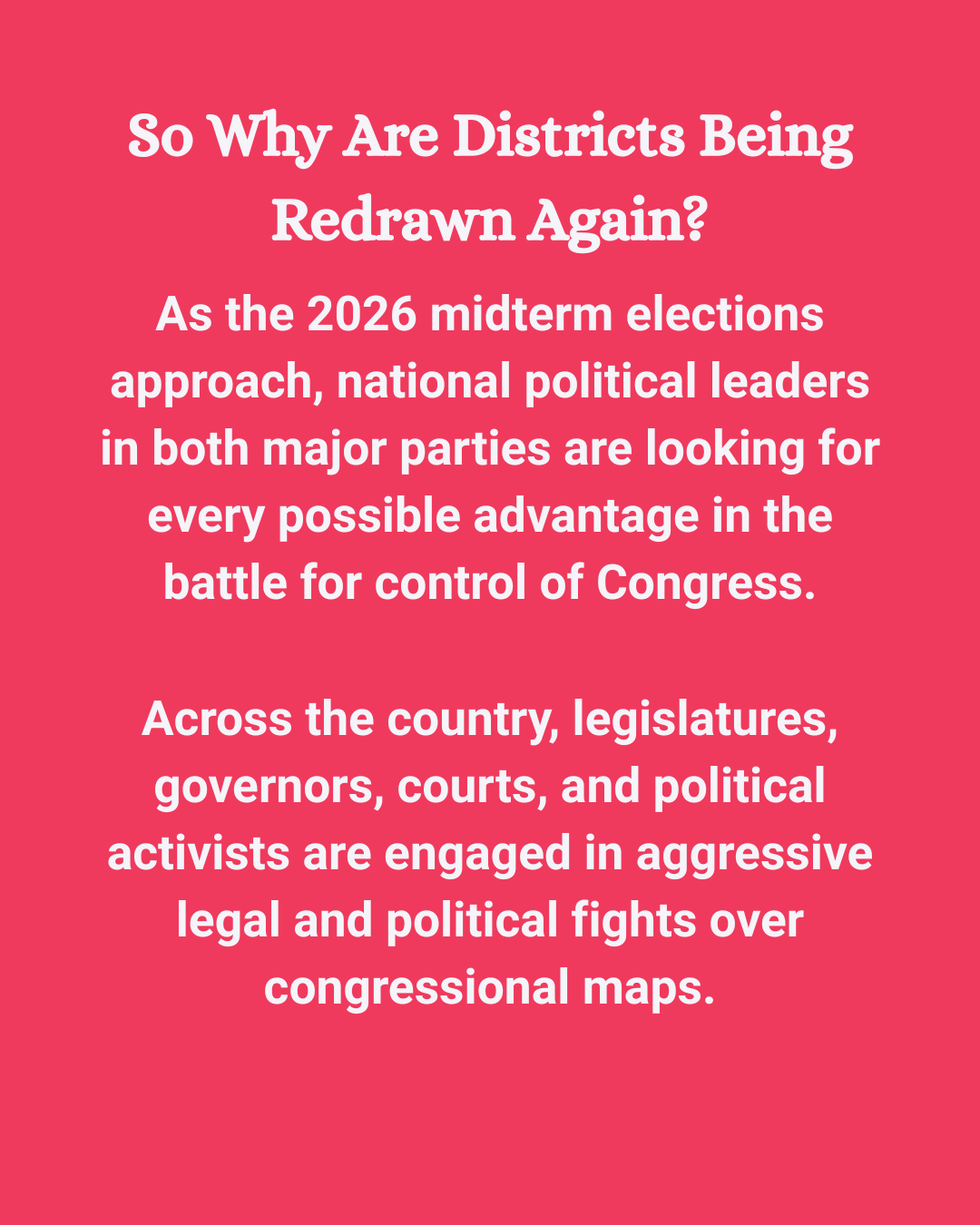
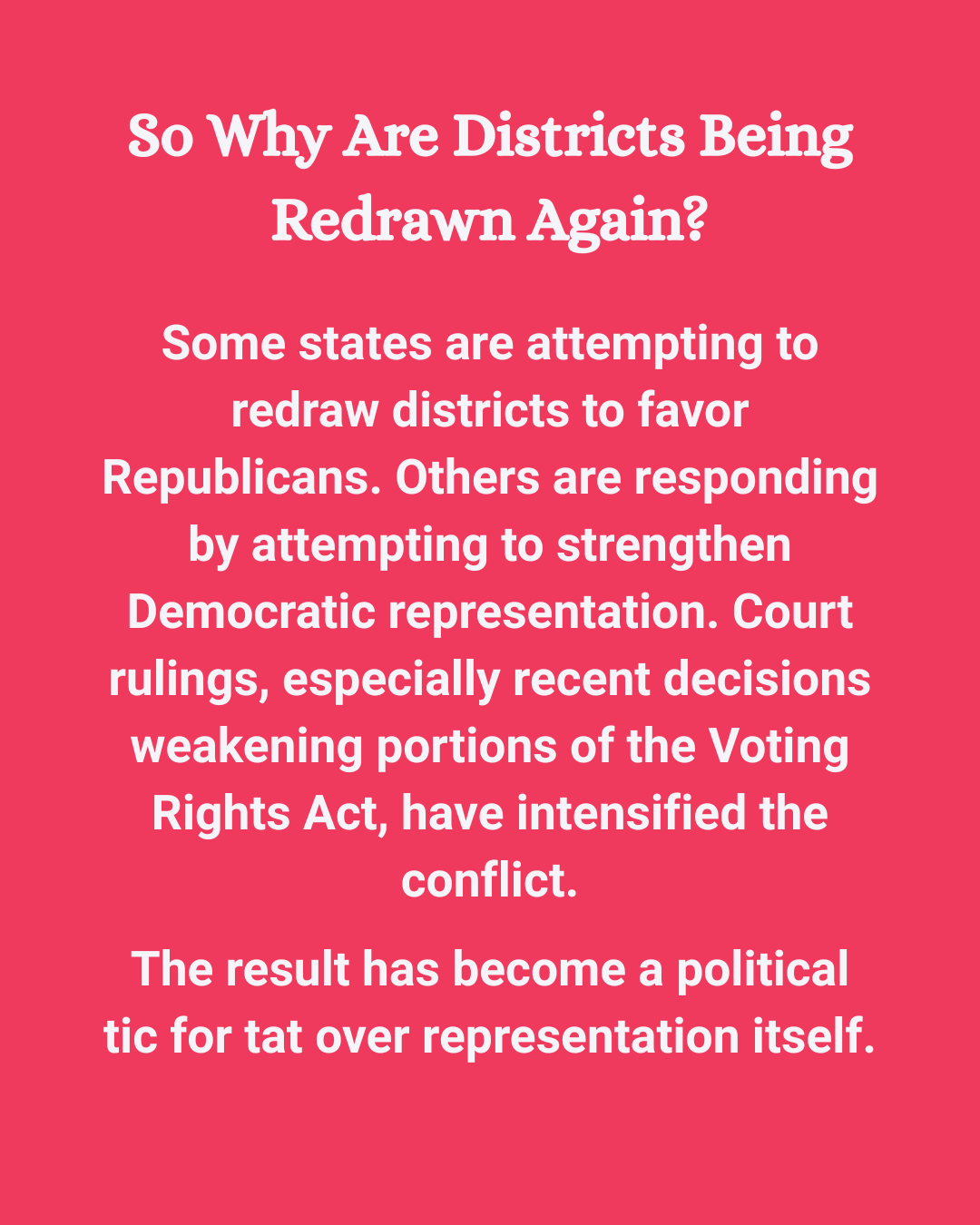
Across the country, lawmakers, courts, and political leaders are fighting over who gets represented, whose voices are protected, and how political power is distributed. These debates are not simply political strategy; they affect real communities, voting access, racial representation, and public trust in our democracy.
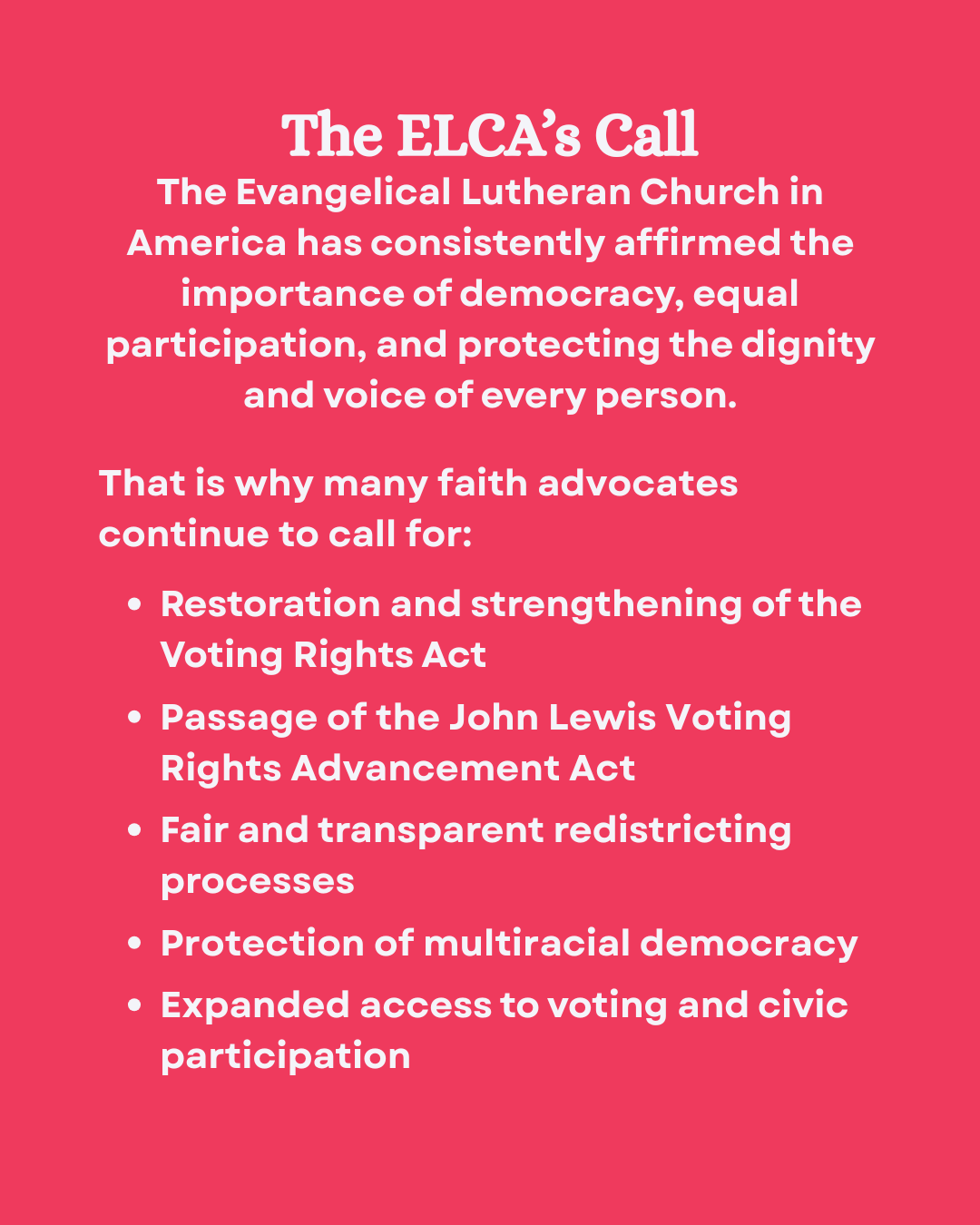
As people of faith, we are called to care about systems that uphold dignity, fairness, participation, and the common good. Understanding redistricting helps us better understand how our democracy functions — and why many advocates continue to call for stronger voting rights protections and fair representation for all communities.
In 2026, all Assembly seats and many Senate seats will be on the ballot. These elections will help determine the direction of policy in Nevada and whose voices and priorities are represented in Carson City.
As we approach the midterm elections, it is important to stay informed, learn about candidates, understand voting records, and engage thoughtfully in civic life. Democracy functions best when communities are informed, engaged, and committed to the common good.
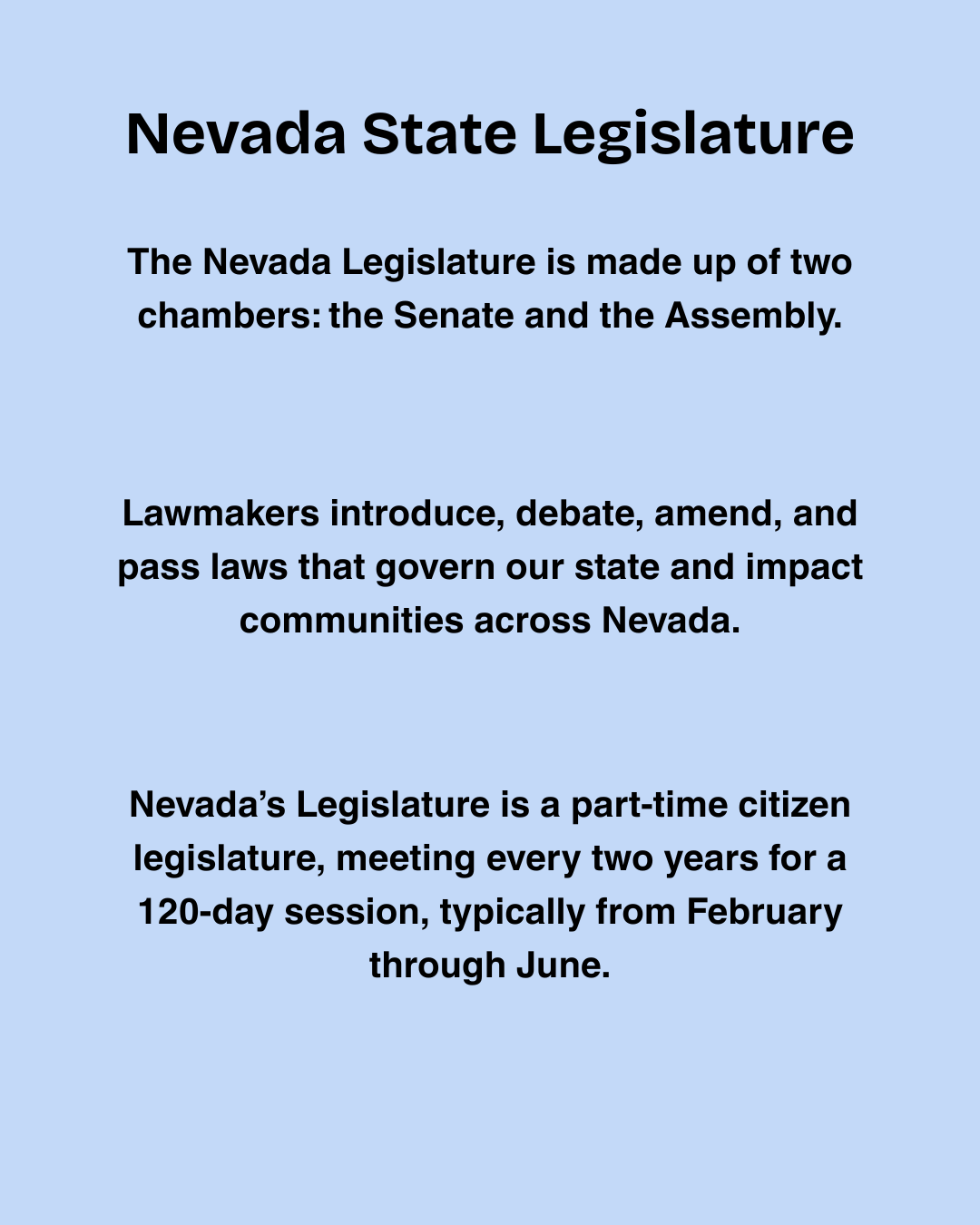
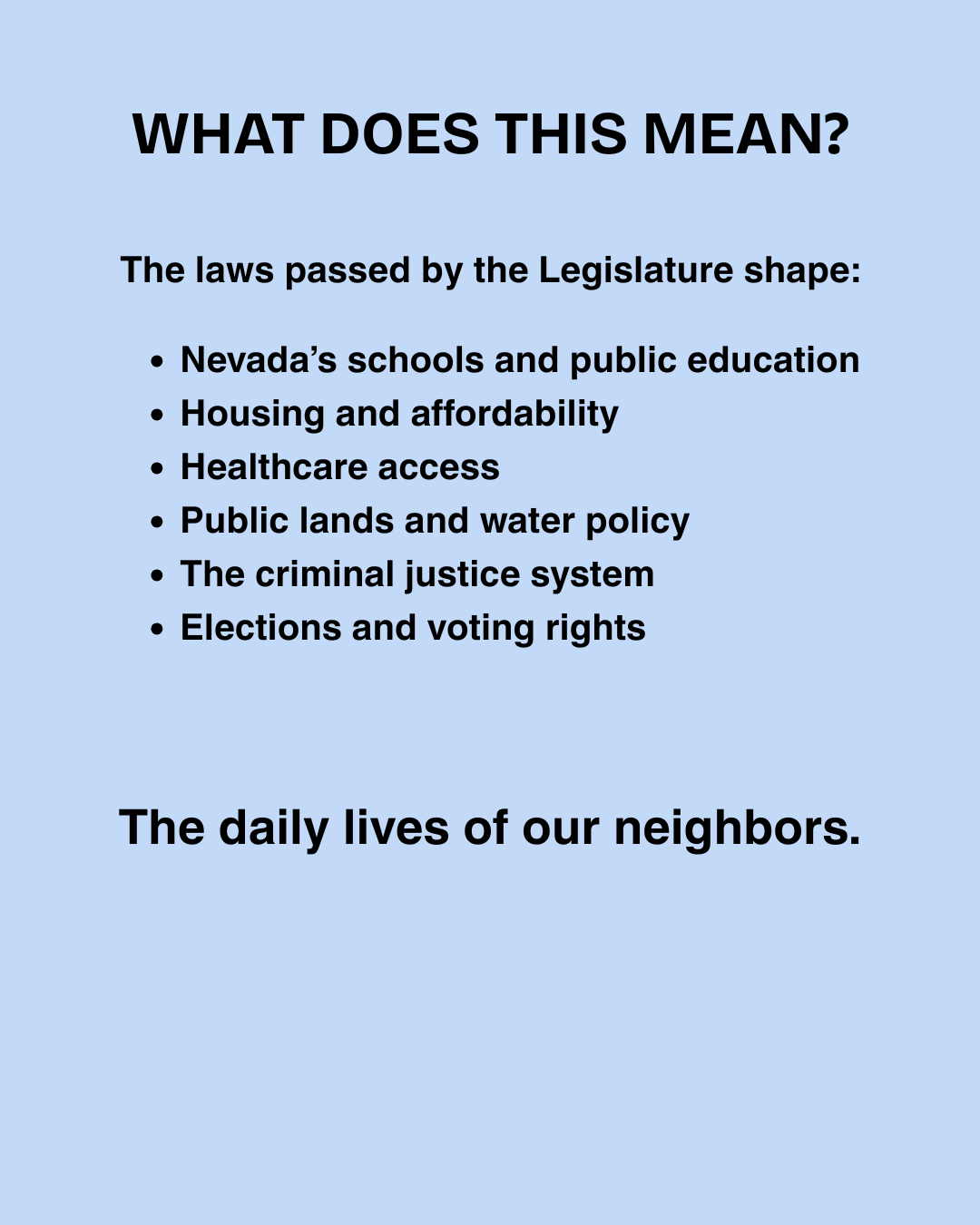
At Lutheran Engagement and Advocacy in Nevada, we encourage Nevadans to pay attention to the legislative process, ask questions, participate in community conversations, and remain engaged in the policies that affect our shared life together.
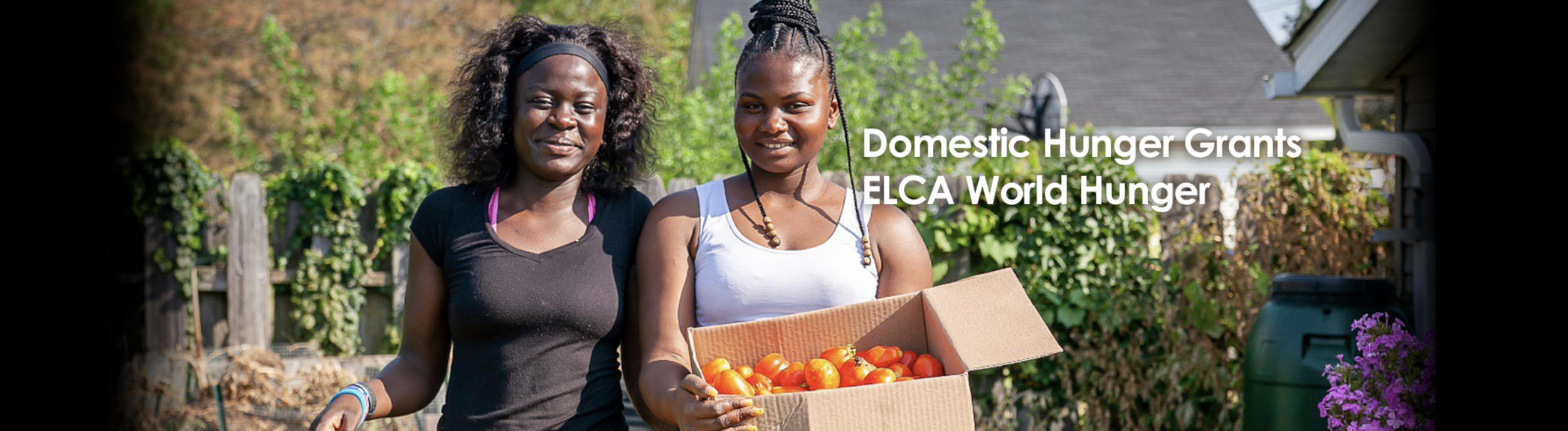
ELCA World Hunger’s Domestic Hunger Grant application Zoom webinar will offer information about the process of applying for a domestic hunger grant. Webinar will review granting priorities and the grant application process, how to submit an LOI, and answer questions from grant applicants. To join us for this virtual event, please register here. Participants will be provided with a link once registered. The webinar will be recorded and accessible via the Domestic Hunger Grant FAQ page.
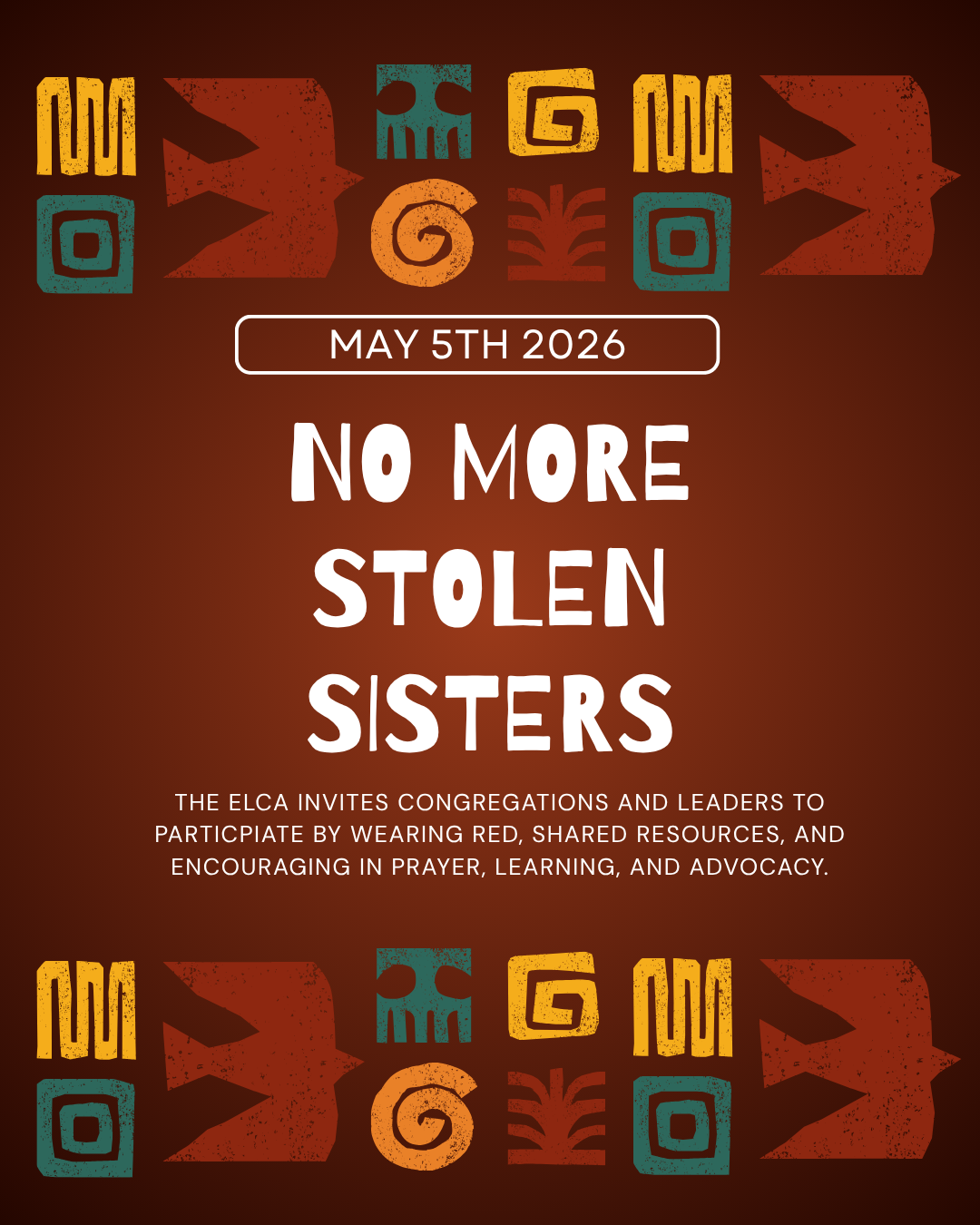
May 5: Wear Red and Raise Awareness for Missing and Murdered Indigenous Women
Tuesday, May 5, 2026 marks the National Day of Awareness for Missing and Murdered Indigenous Women, Girls, and Relatives (MMIWGR), a day the Evangelical Lutheran Church in America is calling all congregations and leaders to observe through prayer, advocacy, and visible witness.
At the 2025 ELCA Churchwide Assembly, a memorial was adopted encouraging congregations, synods, and the churchwide organization to observe May 5 annually and promote the wearing of red as a sign of awareness and solidarity. This year, the ELCA’s Missing and Murdered Indigenous Women Sub-Task Force has developed a comprehensive toolkit to help communities participate meaningfully.
WHY THIS MATTERS
The crisis of Missing and Murdered Indigenous Women, Girls, and Relatives is ongoing. Indigenous communities continue to experience disproportionately high rates of violence, disappearance, and loss. As a church, we are called not only to awareness, but to repentance, accompaniment, and justice.
The ELCA’s commitment, rooted in its Declaration to American Indian and Alaska Native People, calls us into solidarity with Tribal nations, families, and advocates who continue searching for loved ones.
HOW TO PARTICIPATE ON MAY 5
Congregations and individuals across the Grand Canyon Synod are invited to:
Wear Red on May 5 as a visible sign of remembrance and advocacy
Share social media posts and graphics from the ELCA toolkit
Engage in conversation, prayer, and learning within your community
Attend a virtual vigil hosted by Women of the ELCA at 5:00 p.m. PDT, 7:00 CDT.Link here.
Explore resources and stories to deepen understanding and response
Wearing red is more than symbolic, it represents both remembrance and the voices that are still unheard.
BEYOND ONE DAY
May 5 is a beginning, not an endpoint. The toolkit encourages ongoing engagement through:
Following Indigenous-led organizations working for justice
Hosting book studies, film discussions, or community conversations
Advocating for policies that protect Indigenous women and communities
Participating in vigils and prayer gatherings throughout the year
As Lutherans, we understand justice as part of our call to love our neighbor. This work reflects our shared commitment to walk alongside those who suffer, speak truth about systems of harm, and participate in God’s healing work in the world.
A CALL TO THE SYNOD
We encourage every congregation, ministry partner, and leader to share this toolkit, lift up this awareness day, and participate in ways that are meaningful in your context.
Let us be a church that does not look away—but instead remembers, honors, and acts.
For more information, resources, and social media graphics, access the ELCA toolkit and share it widely. If you have questions, you may also reach out to the MMIW Sub-Task Force or Chair Brenda Blackhawk.
On May 5, wear red. Pray boldly. Speak clearly. Stand together.