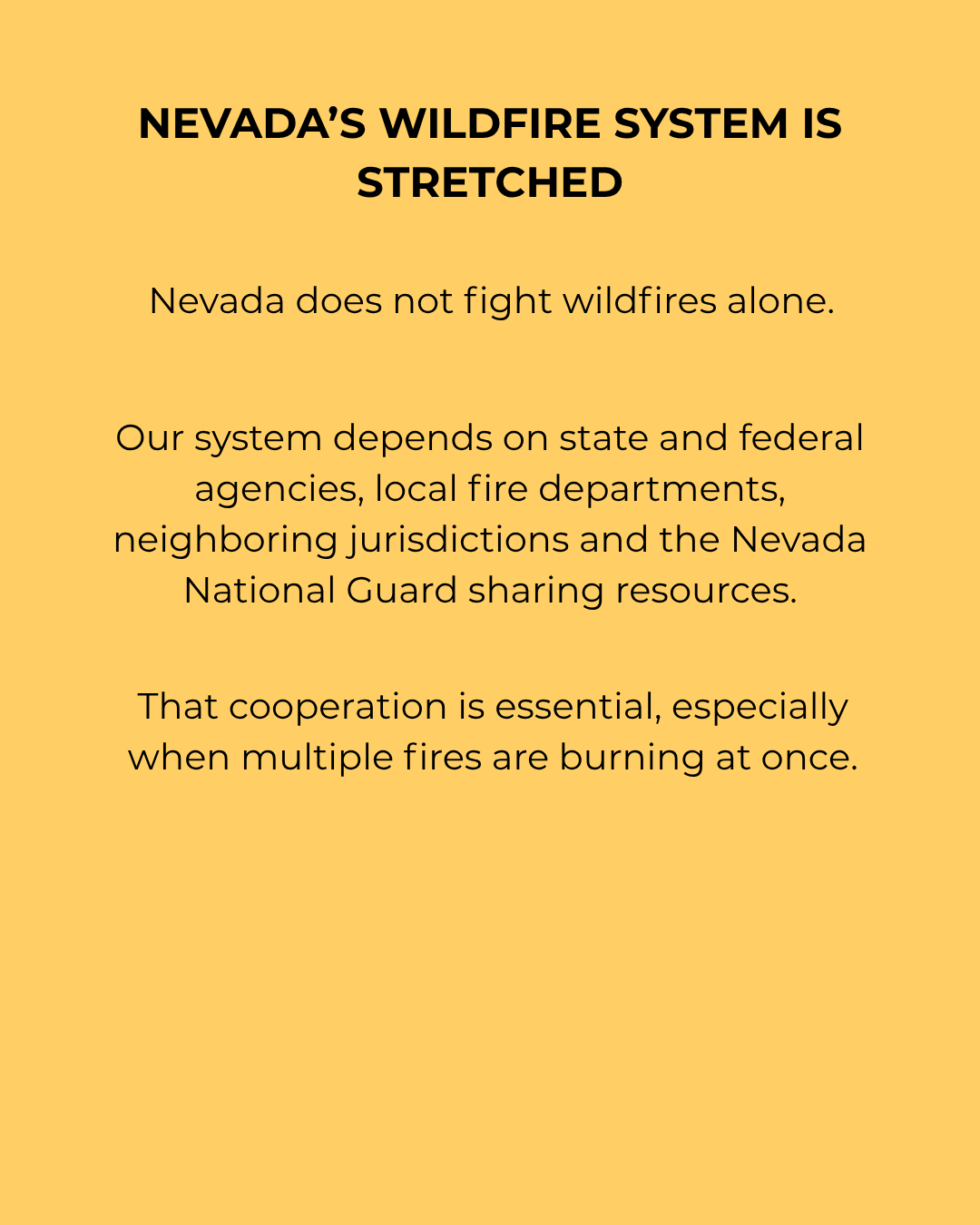
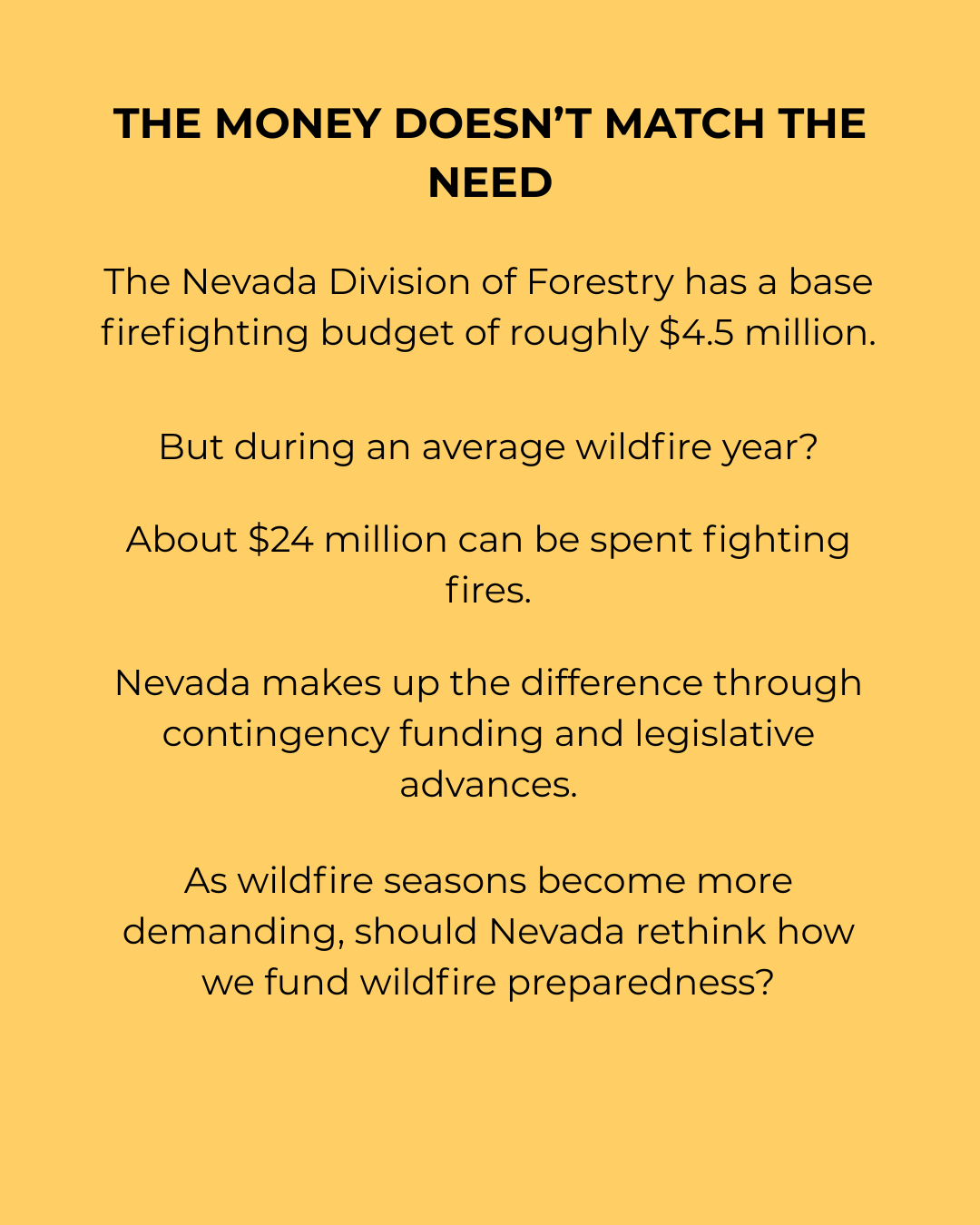
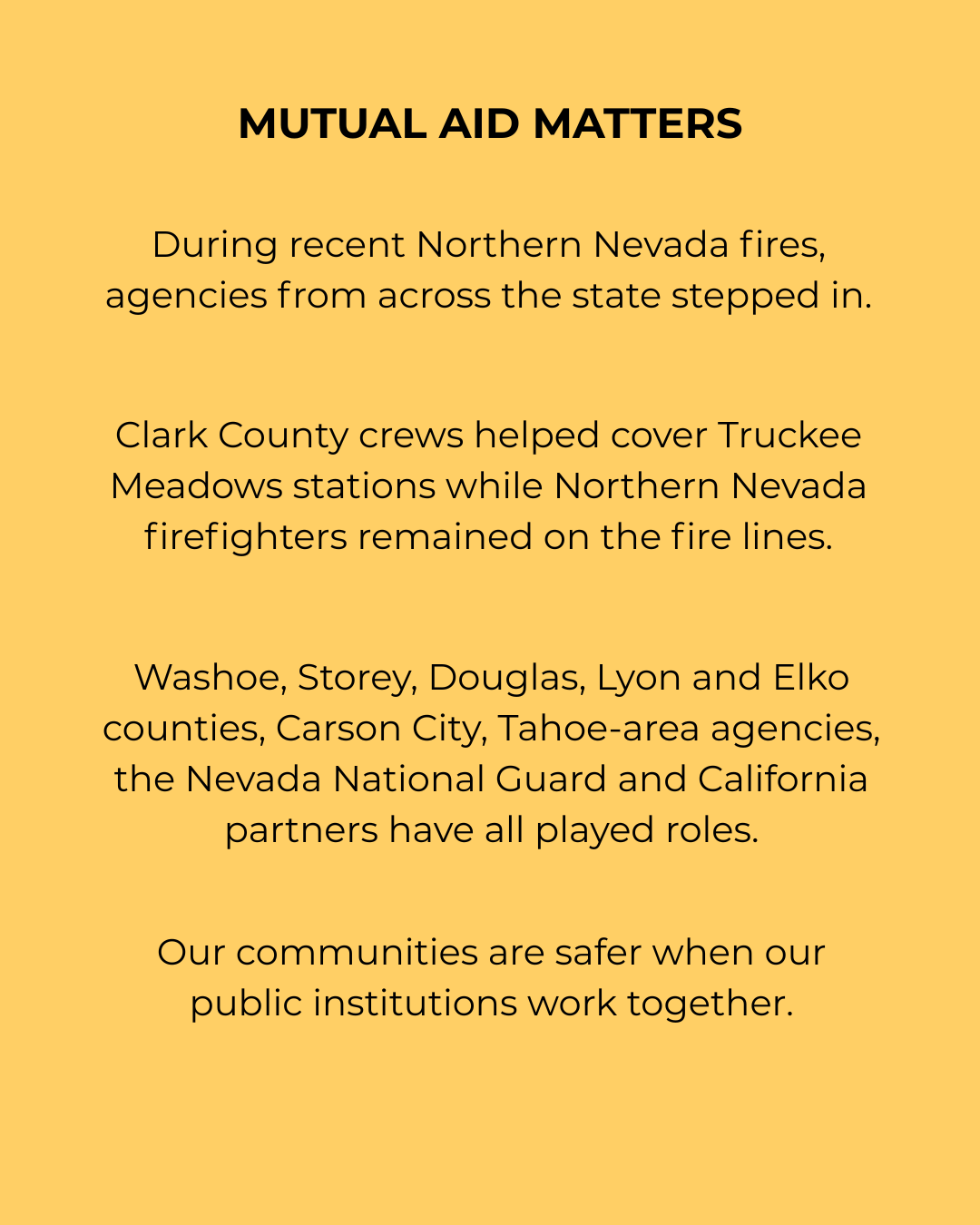
Wildfire is part of life in the West. But how we prepare for it, respond to it, and care for the land afterward are policy choices.
As the West experiences one of its worst fire seasons in years, the federal government is changing how wildfires are fought, including restructuring federal firefighting operations and placing greater emphasis on quickly suppressing fires.
Putting out fires and protecting communities matters.
But the story is more complicated.
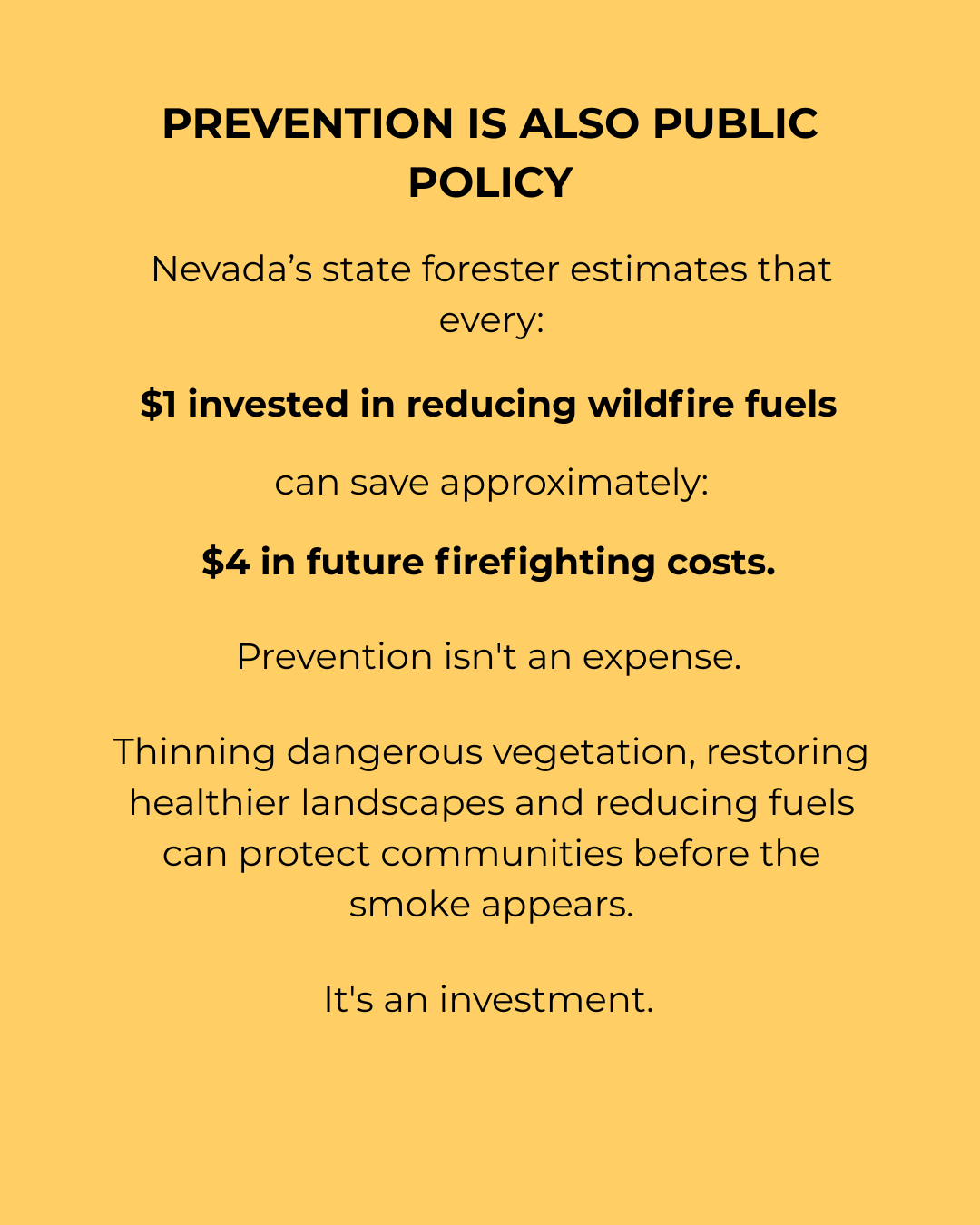
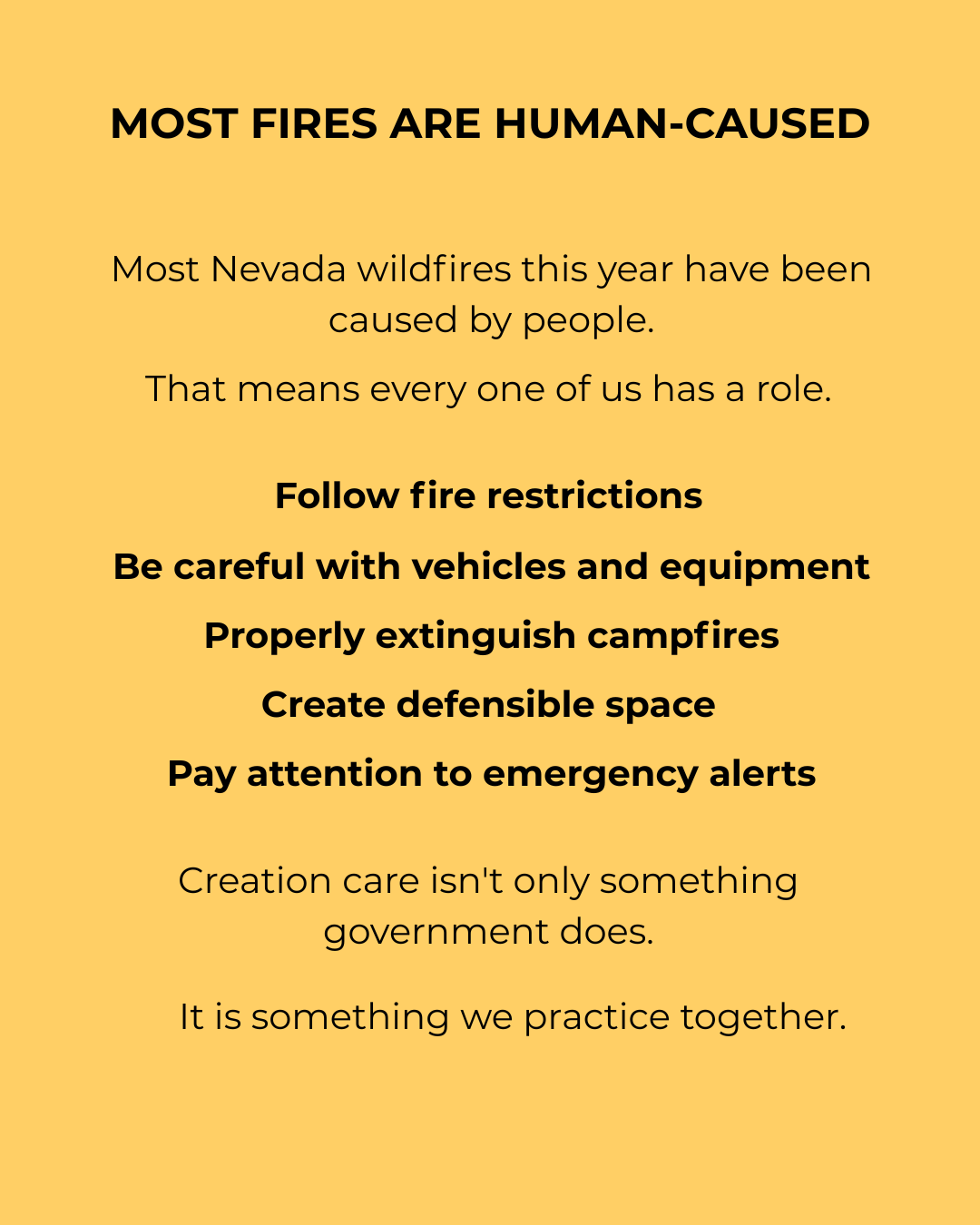
For generations, aggressive fire suppression has also allowed vegetation and other fuels to accumulate across some landscapes. Combined with hotter and drier conditions and continued development where communities meet wildlands, those conditions can contribute to increasingly destructive fires.
Here in Nevada, we know this conversation well.
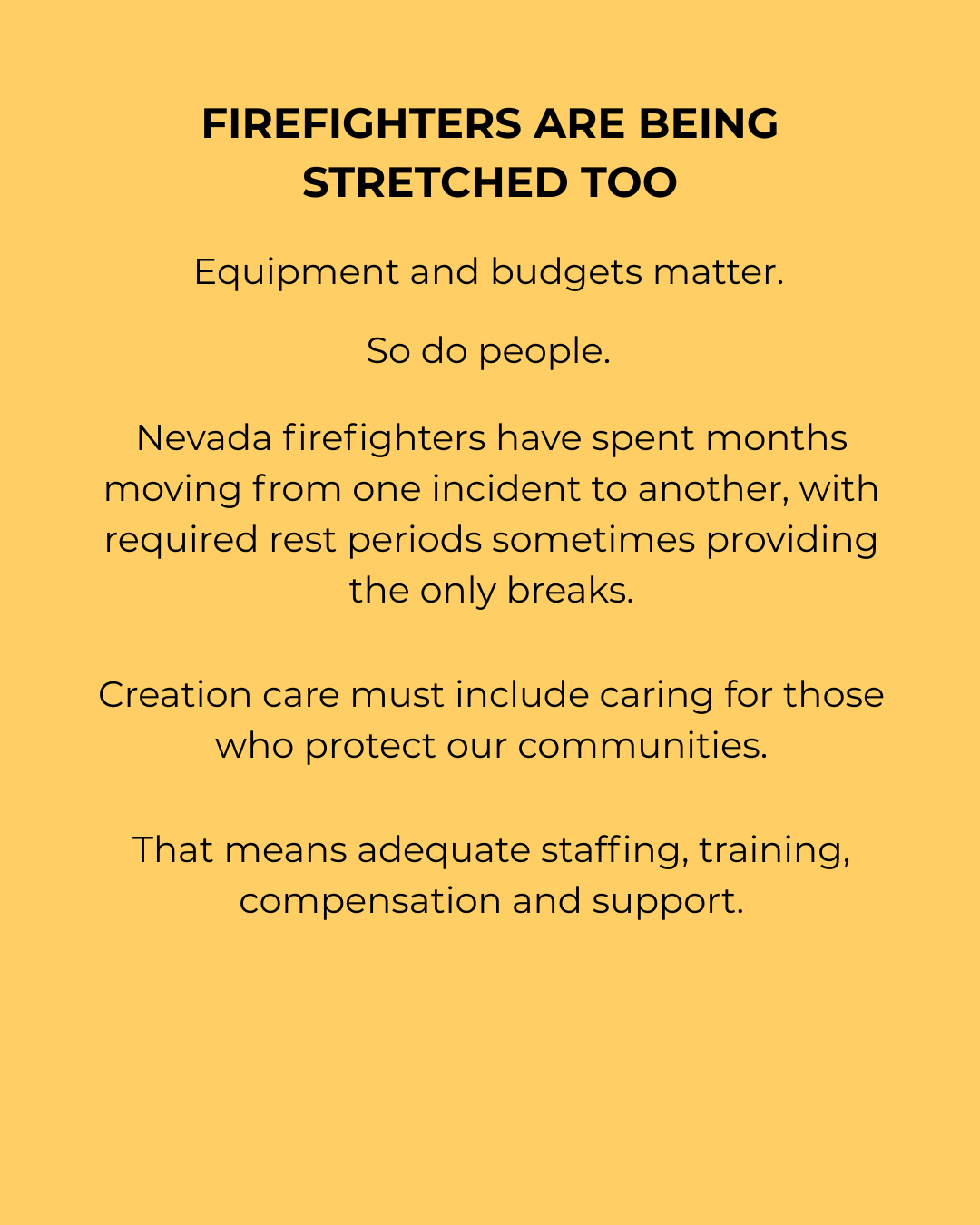
Wildfire impacts our rural communities, Tribal Nations, public lands, wildlife habitat, watersheds, homes, and the firefighters who put themselves in harm’s way to protect our neighbors.
For Lutheran Engagement and Advocacy in Nevada (LEAN), this is where creation care becomes neighbor care.
We need firefighters and resources ready when communities are threatened. But we also need to think beyond the fire burning today: investing in fuels reduction, prescribed fire where appropriate, healthy landscapes, responsible development, resilient communities, and long-term climate preparedness.
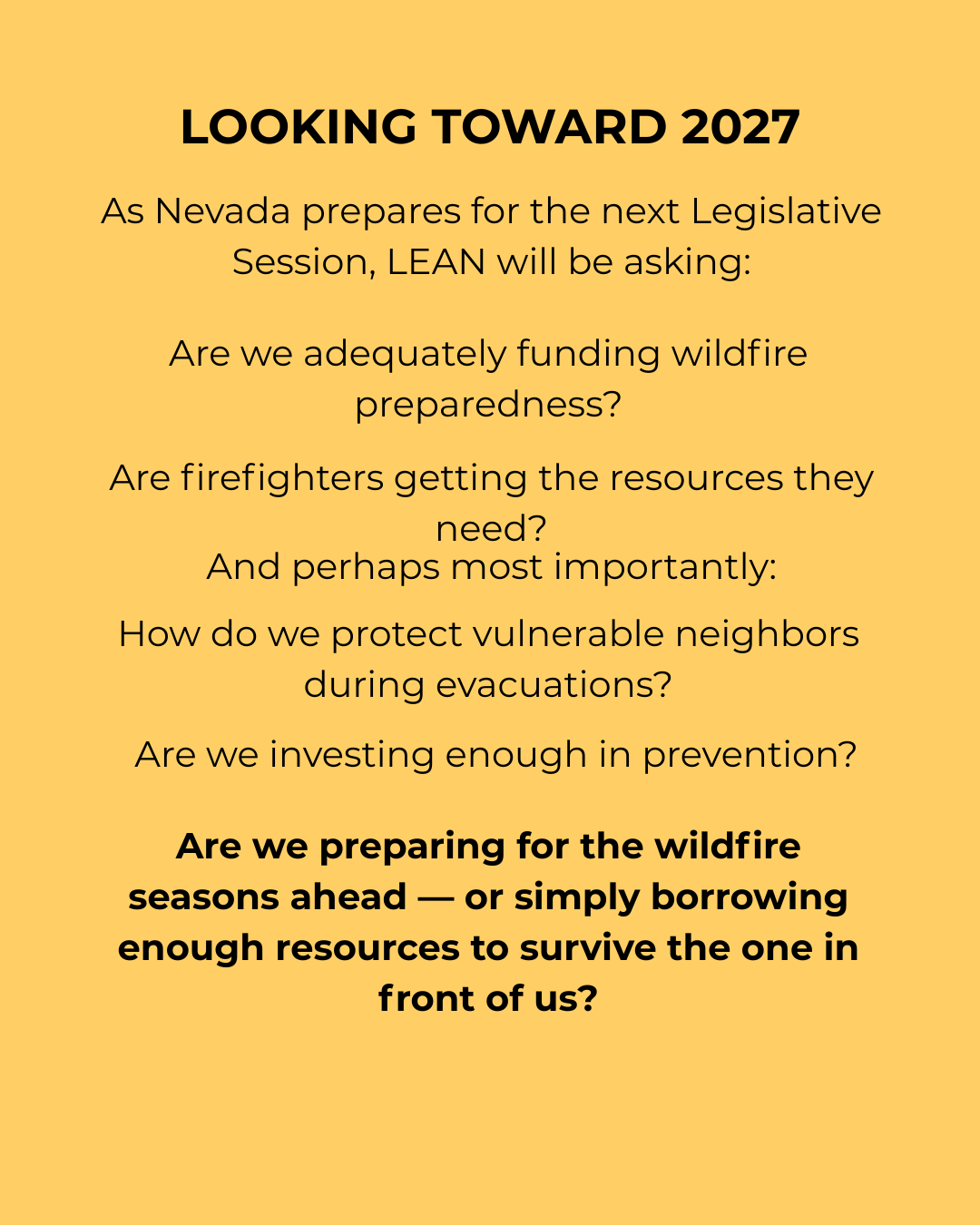
As we look toward Nevada’s 2027 Legislative Session, the question isn’t simply:
How quickly can we put out the next fire?
It is also:
What are we doing today so the next fire isn’t even more destructive?
That is a conversation worth leaning into.

