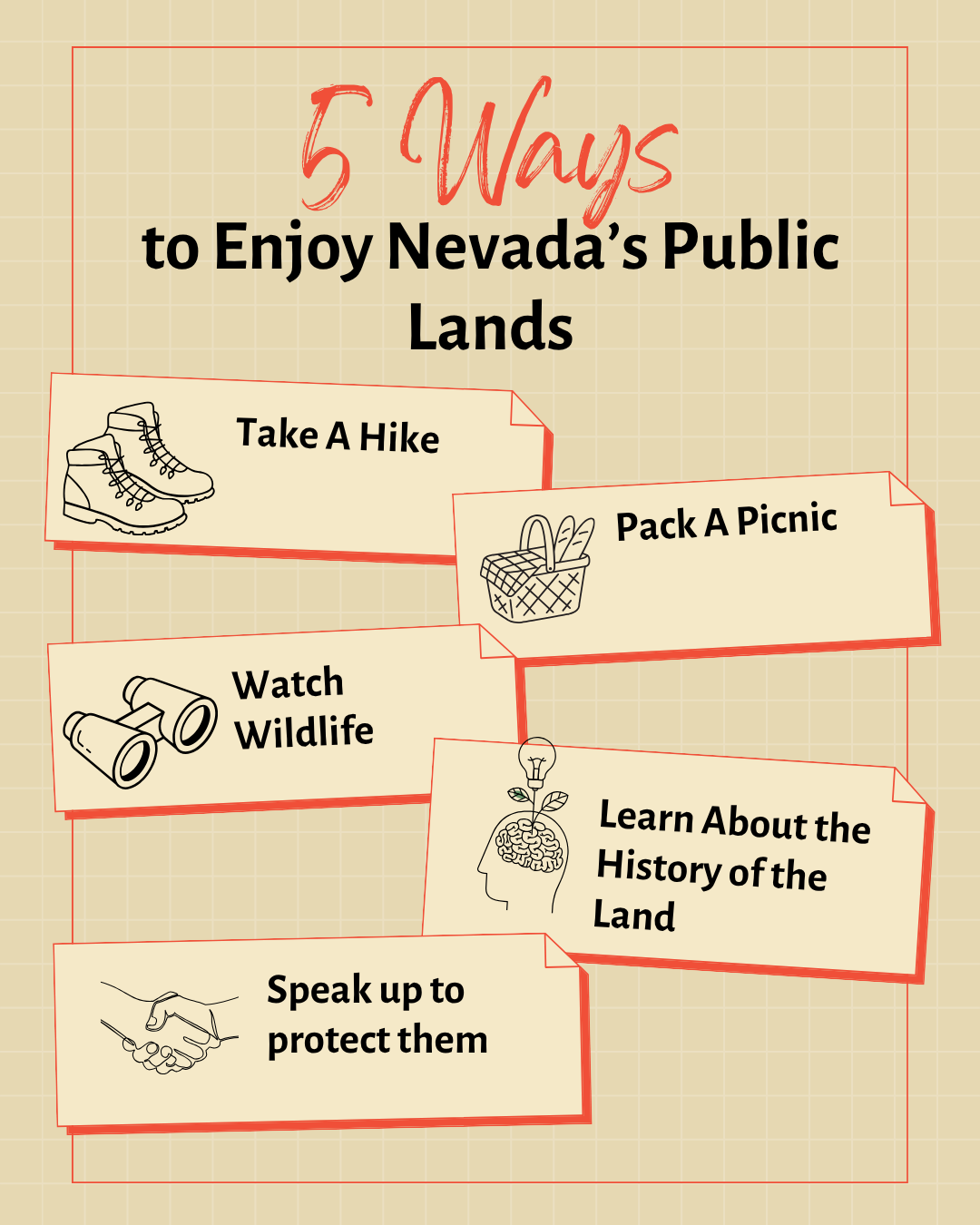
5 Ways to Enjoy Nevada’s Public Lands

Nevada’s public lands belong to all of us. From desert trails and mountain lakes to wildlife habitat and neighborhood parks, these places offer room to breathe, connect, and care for creation.

Here are five ways to enjoy them:

  1. Take a hike– Explore a local trail, national forest, wildlife refuge, or BLM land. Start small—every outdoor adventure counts.
  2. Pack a picnic – Bring family, friends, or a good book. Enjoy the view and leave the place as beautiful as you found it.
  3. Watch wildlife from a respectful distance – Nevada is home to desert tortoises, bighorn sheep, wild horses, birds, and so much more. Observe—don’t disturb.
  4. Learn the story of the land – Public lands carry deep Indigenous cultural, spiritual, and historical significance. Learn whose homelands you are visiting and listen to Indigenous voices.
  5. Speak up to protect them – Our public lands need public care. Advocate for clean water, healthy wildlife habitat, access for future generations, and protection from privatization and unchecked industrial development.

Public lands are not just a backdrop for a weekend adventure. They are part of our shared inheritance.

How will you enjoy Nevada’s public lands this week? 
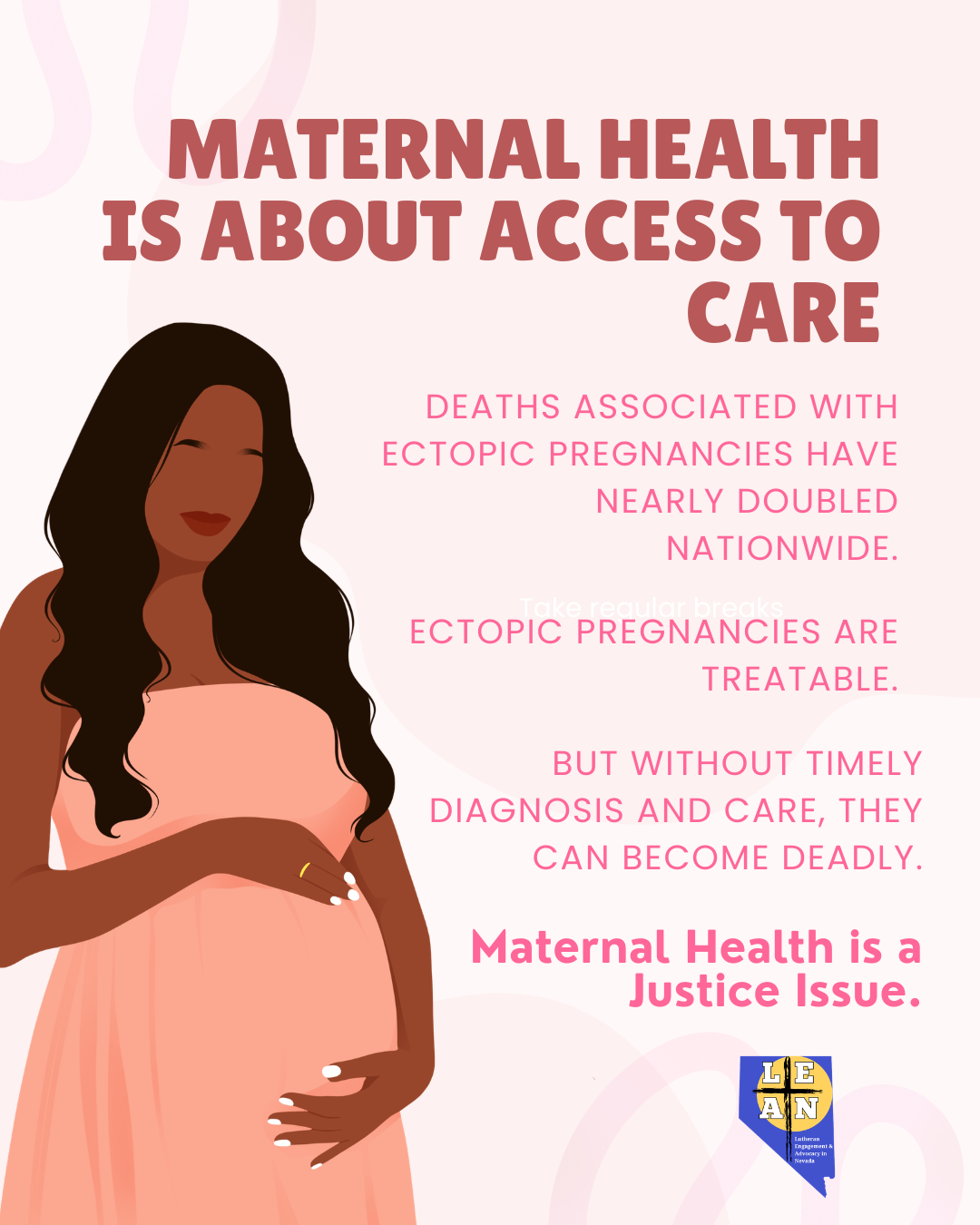
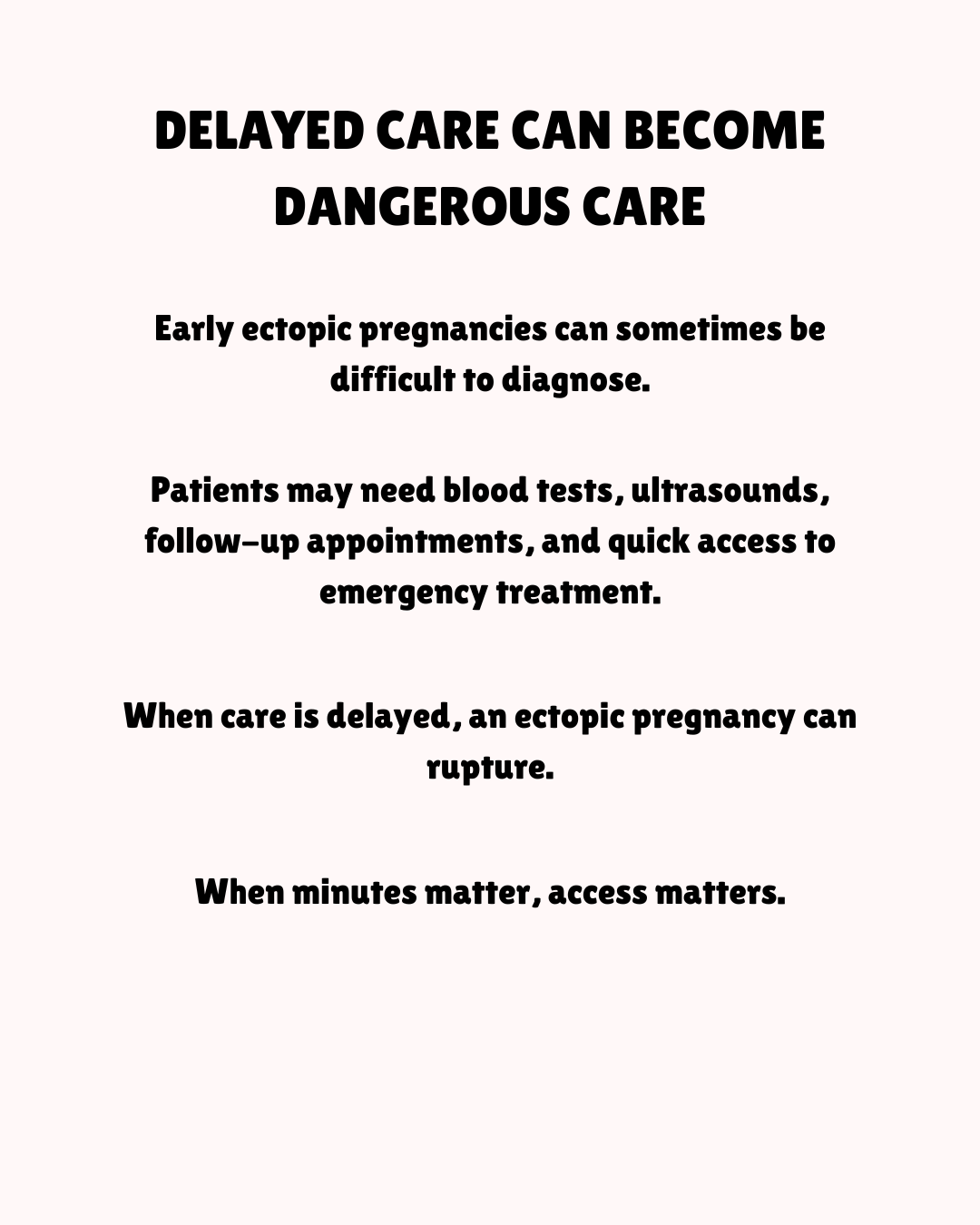
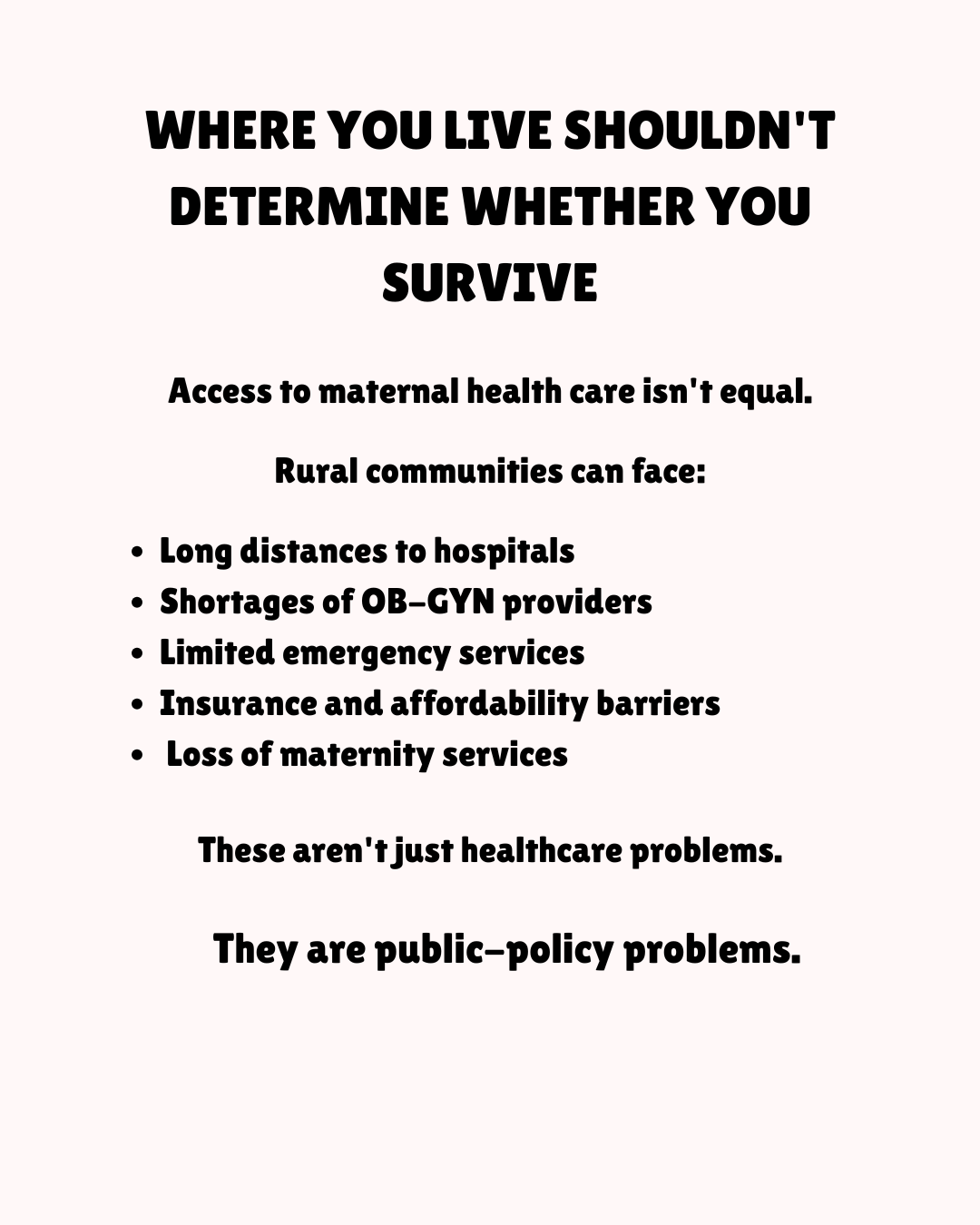
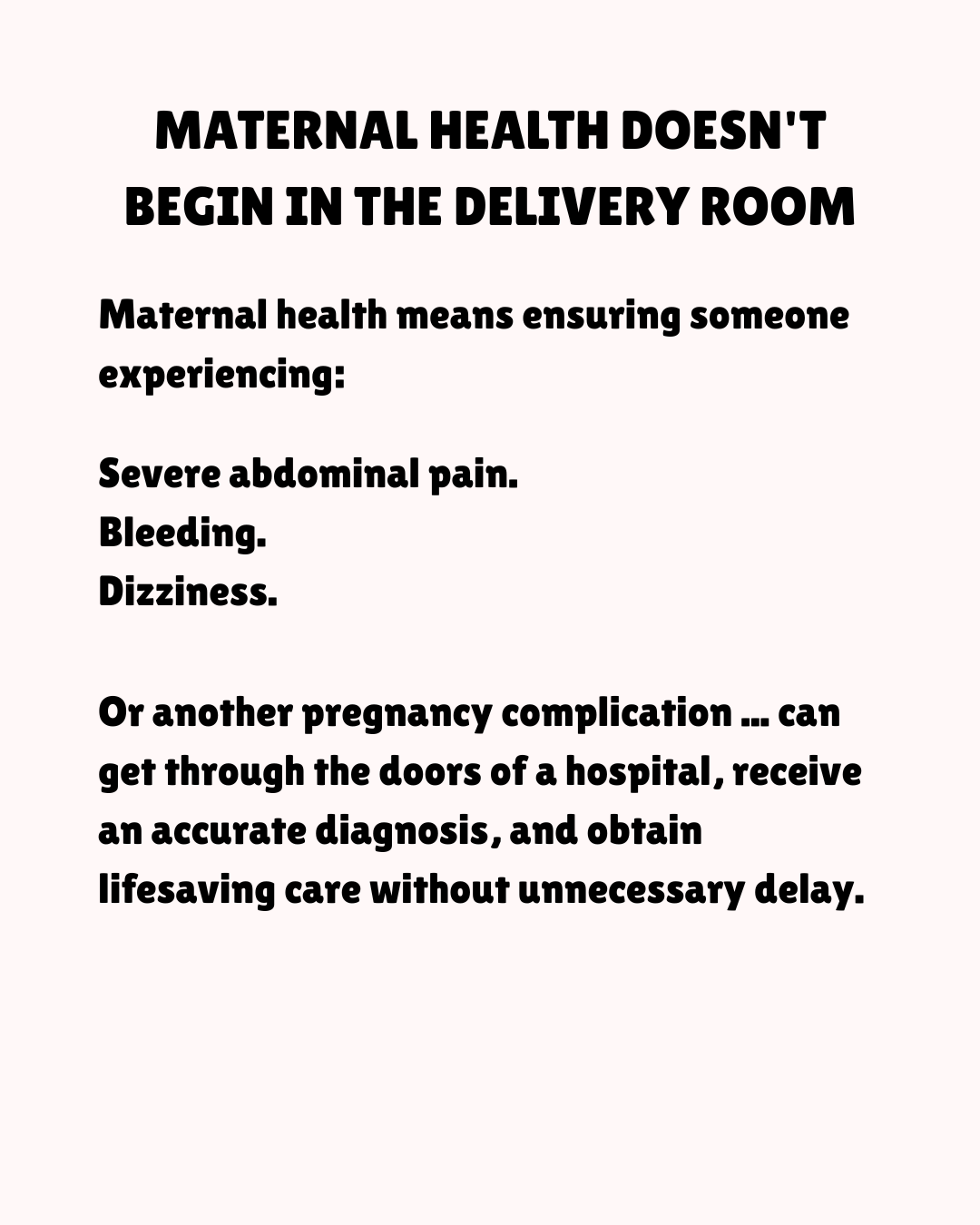
Maternal Health Is About Access to Care

It begins when someone experiencing pain or bleeding can get through the doors of an emergency room, receive an accurate diagnosis, and obtain the care they need without dangerous delays.

ProPublica’s investigation found that deaths associated with ectopic pregnancies have nearly doubled nationally. Researchers are still determining why—but the findings should be a warning for policymakers everywhere.

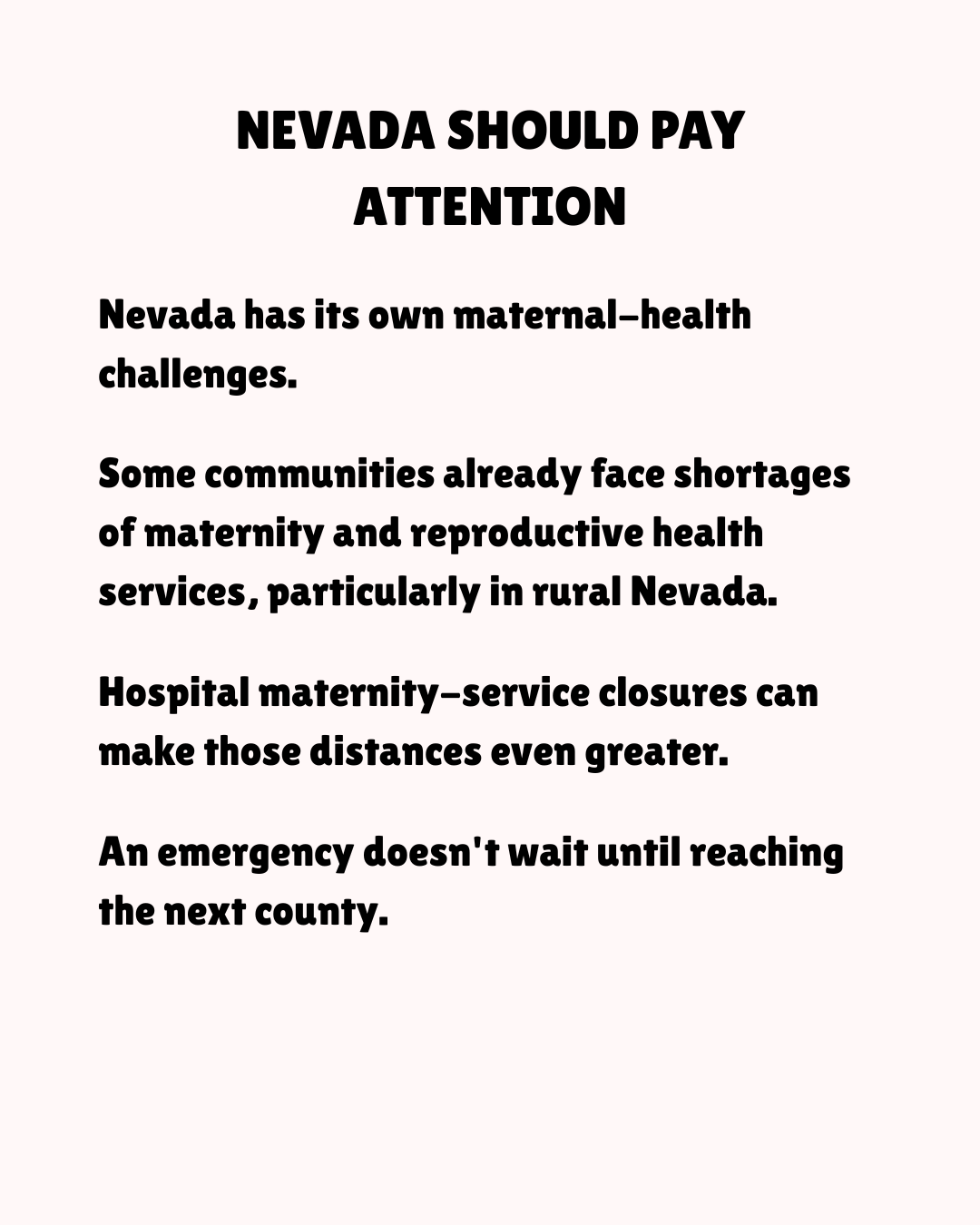
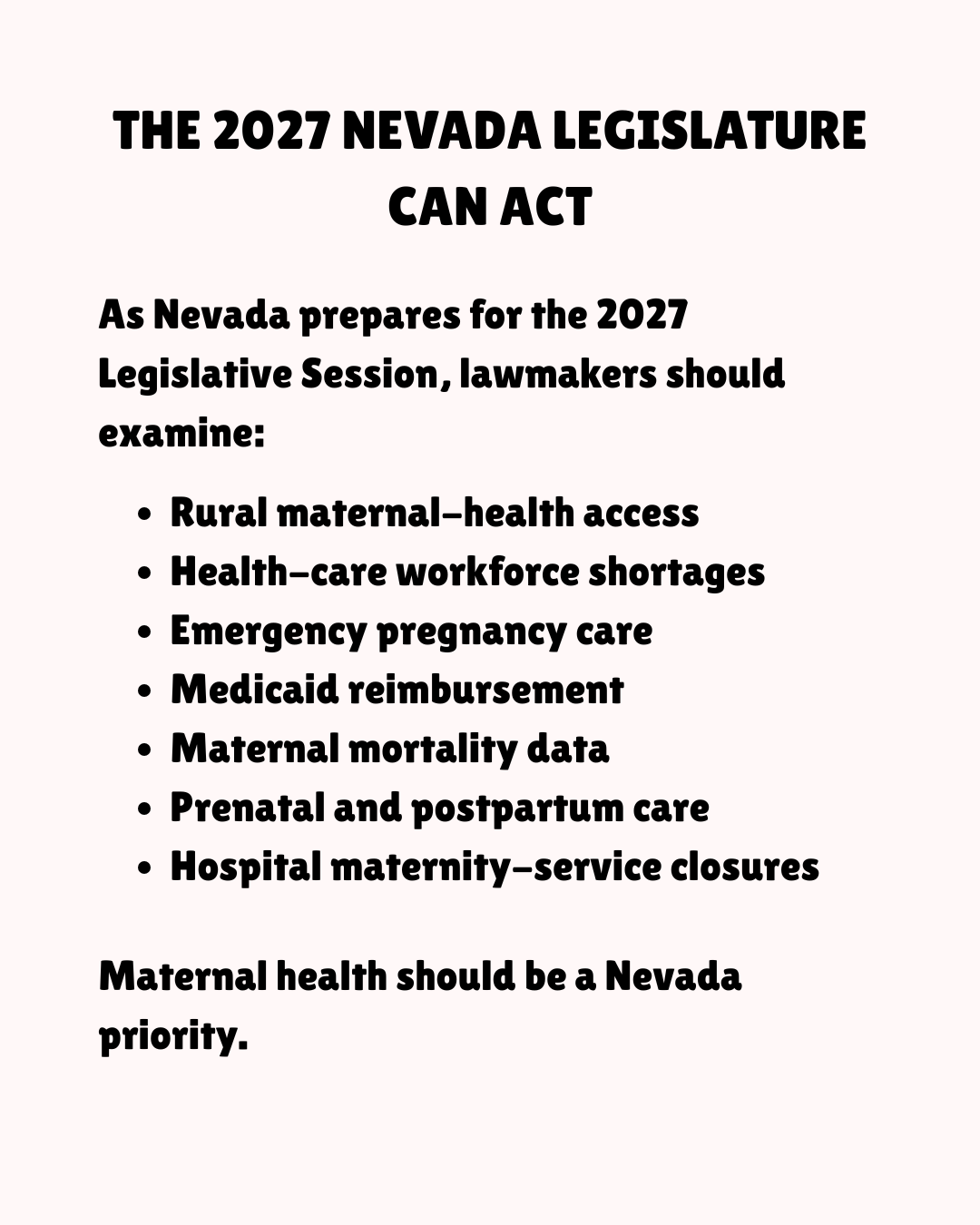
Here in Nevada, protecting maternal health means more than protecting reproductive rights. It means ensuring communities have hospitals, trained health-care workers, emergency services, Medicaid coverage, and timely access to lifesaving care.

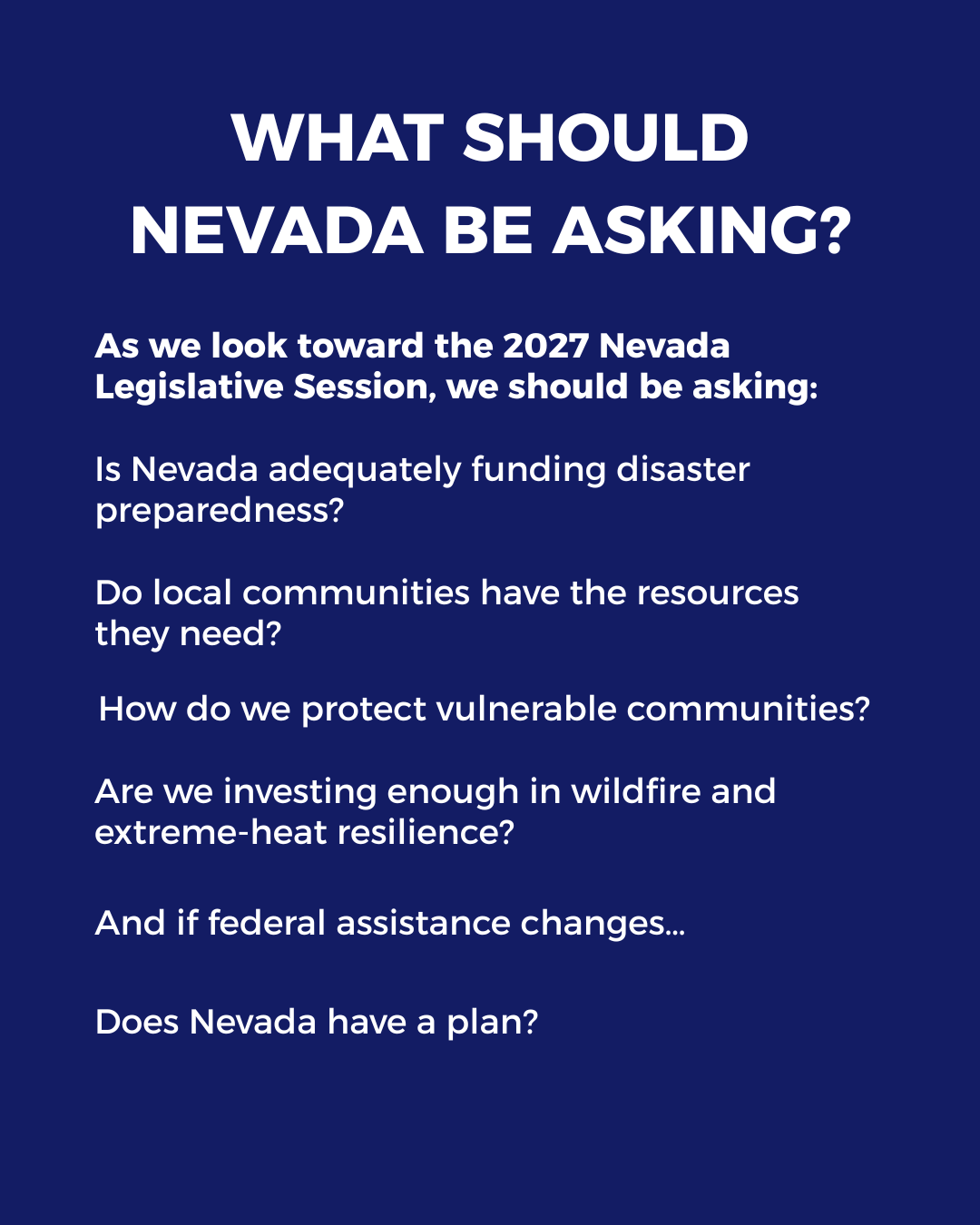
As Nevada prepares for the 2027 Legislative Session, we should be asking a basic question:

Can every Nevadan experiencing a pregnancy emergency get the care they need, when they need it?

Read the report from ProPublica.

FEMA ISN’T GOING ANYWHERE

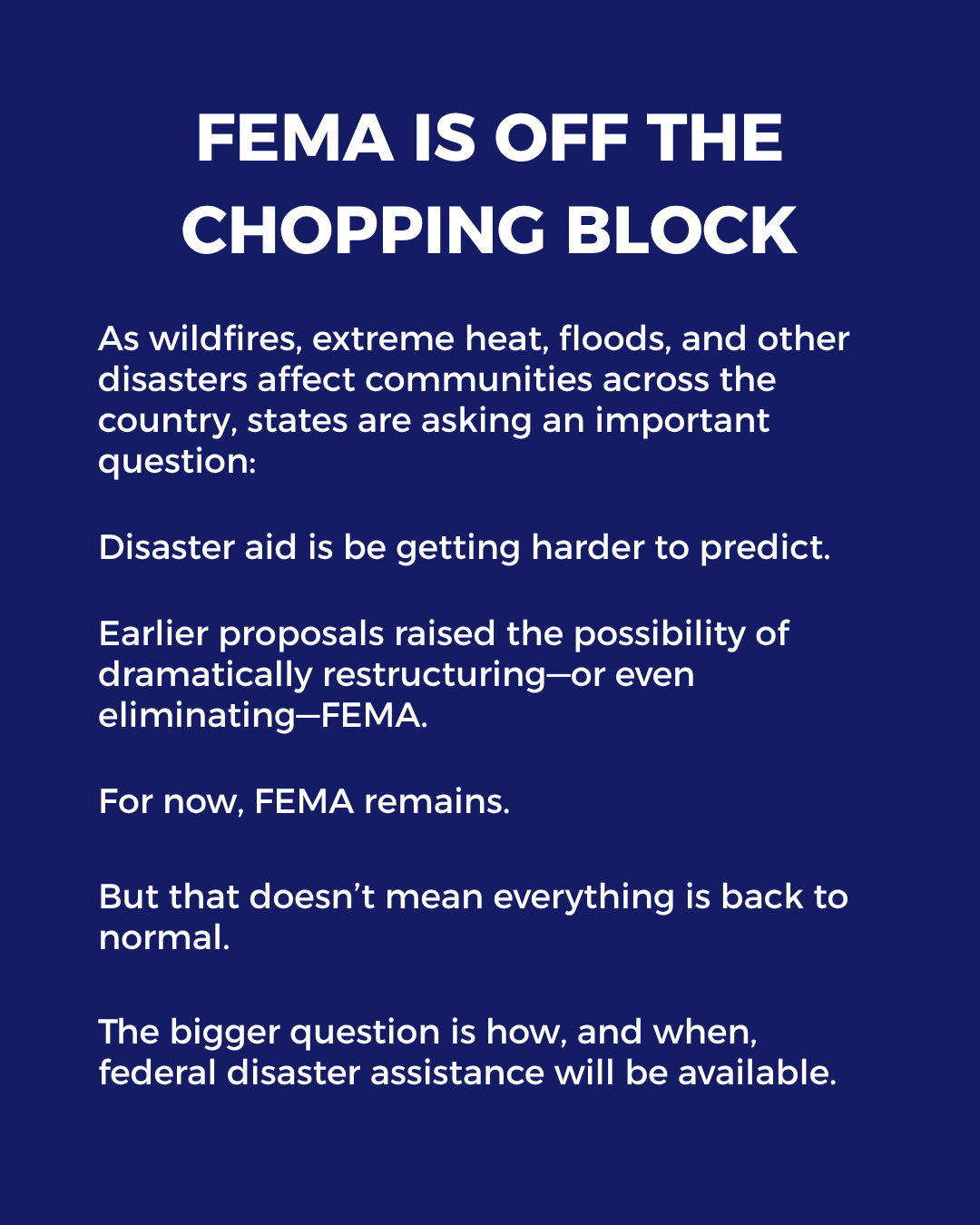
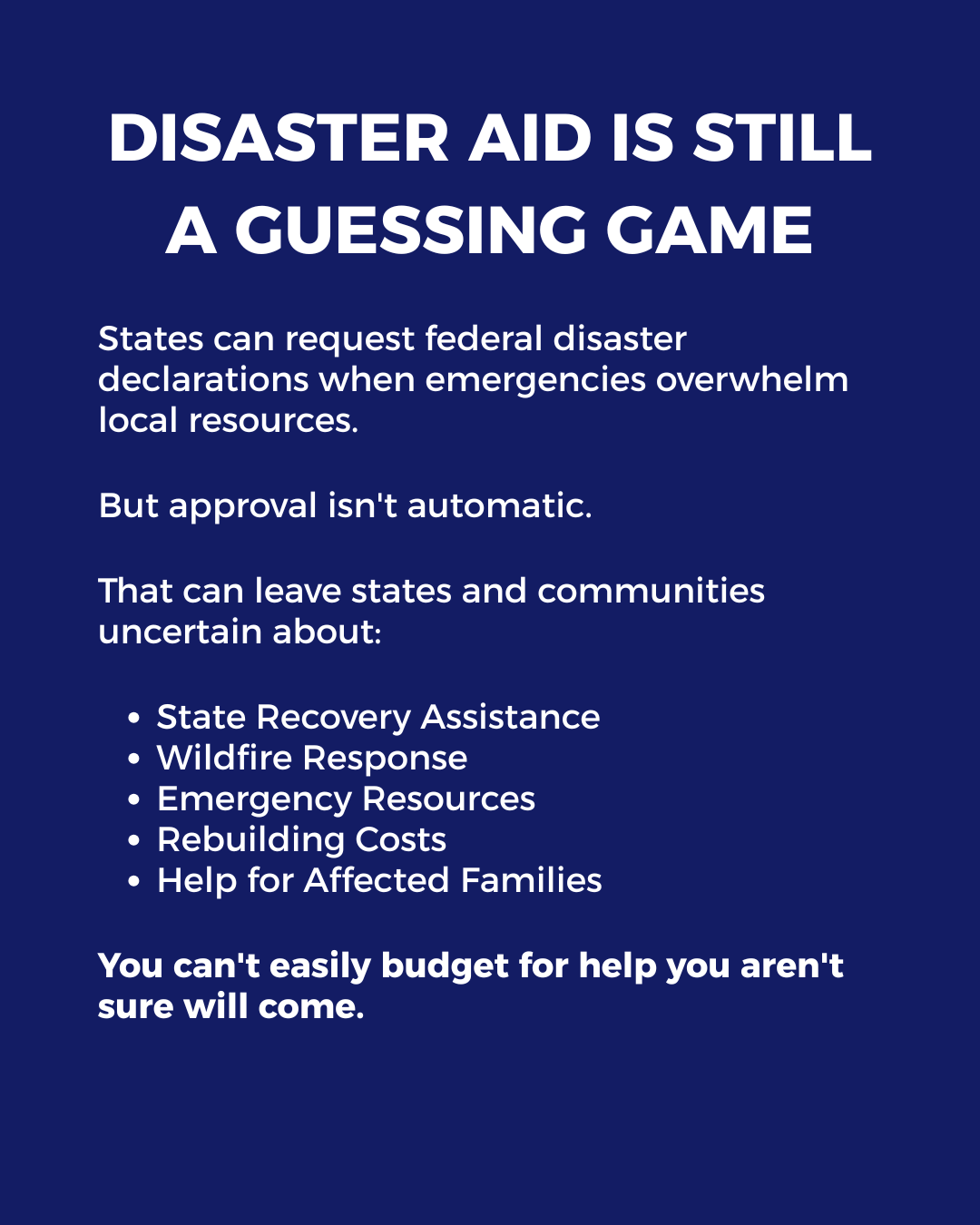
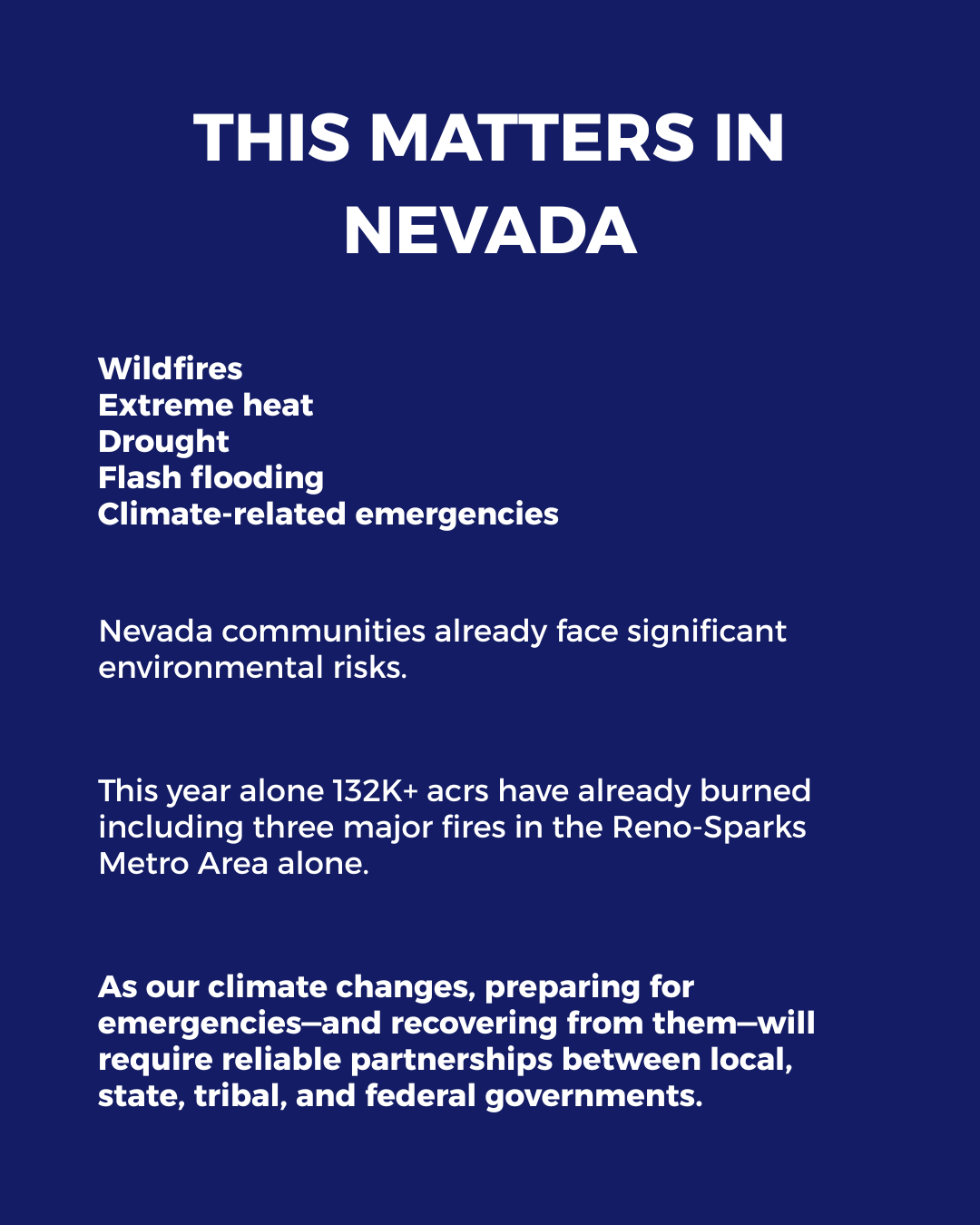
As Nevada faces hotter summers, wildfires, drought and other climate-related emergencies, disaster preparedness cannot depend on guessing whether federal assistance will arrive.

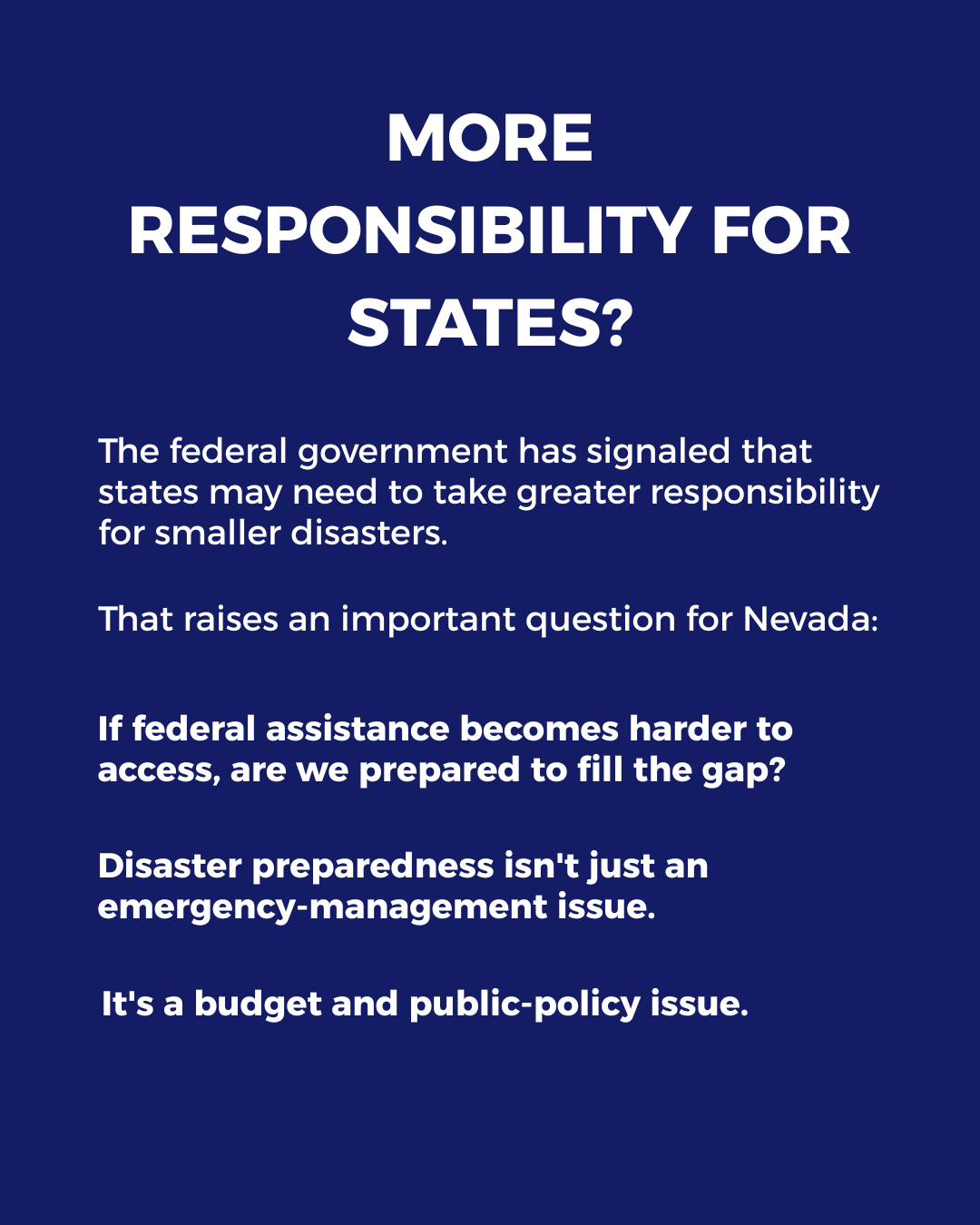
Our neighbors deserve disaster policies that are reliable, transparent and equitable—and Nevada must also ask whether our state and communities have the resources necessary to prepare, respond and recover when disaster strikes.

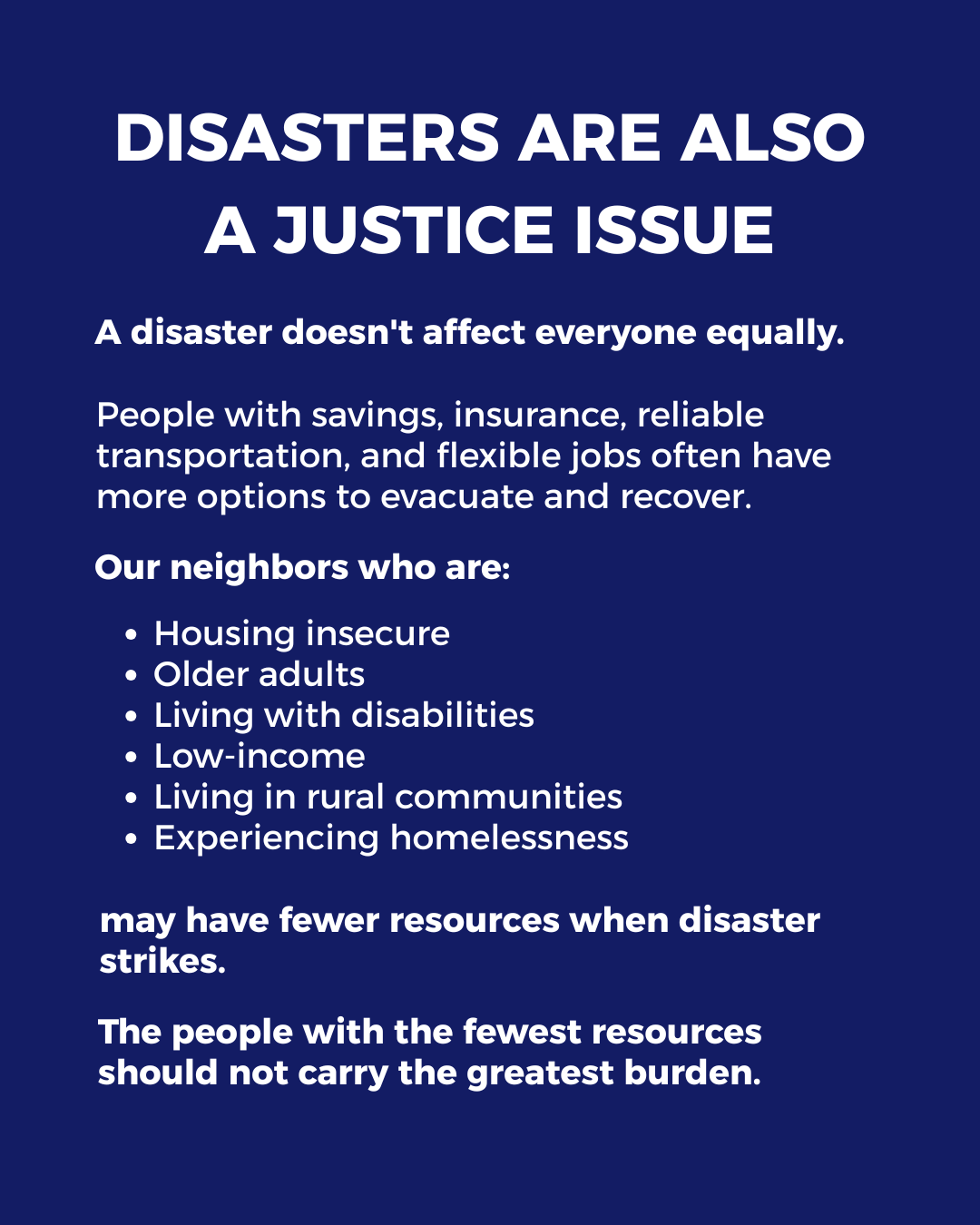
For people of faith, disaster response isn’t only about rebuilding roads and structures. It’s about making sure the people with the fewest resources aren’t the ones left carrying the greatest burden.

Read more in the Nevada Current article here.

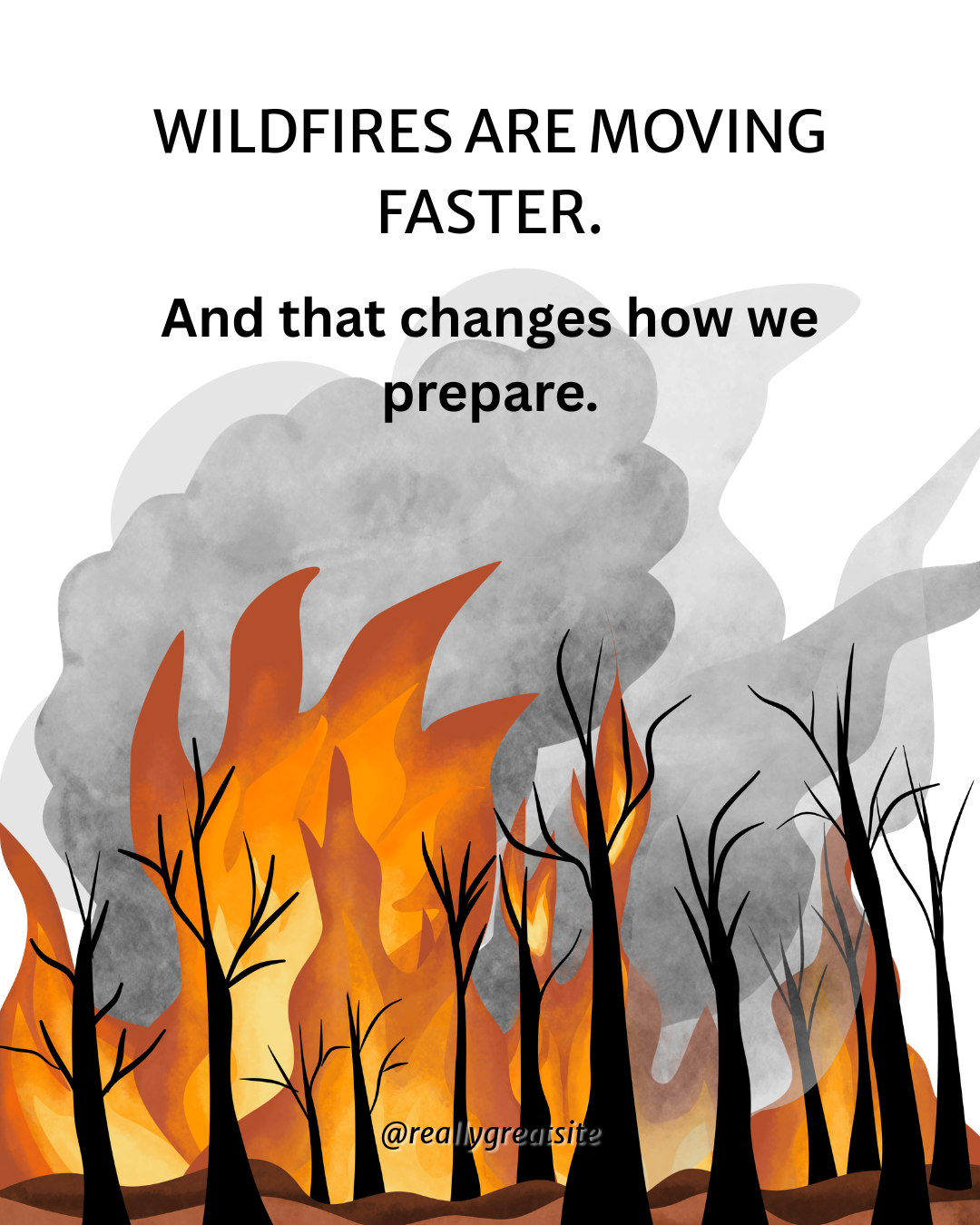
Wildfires Are Moving Faster:

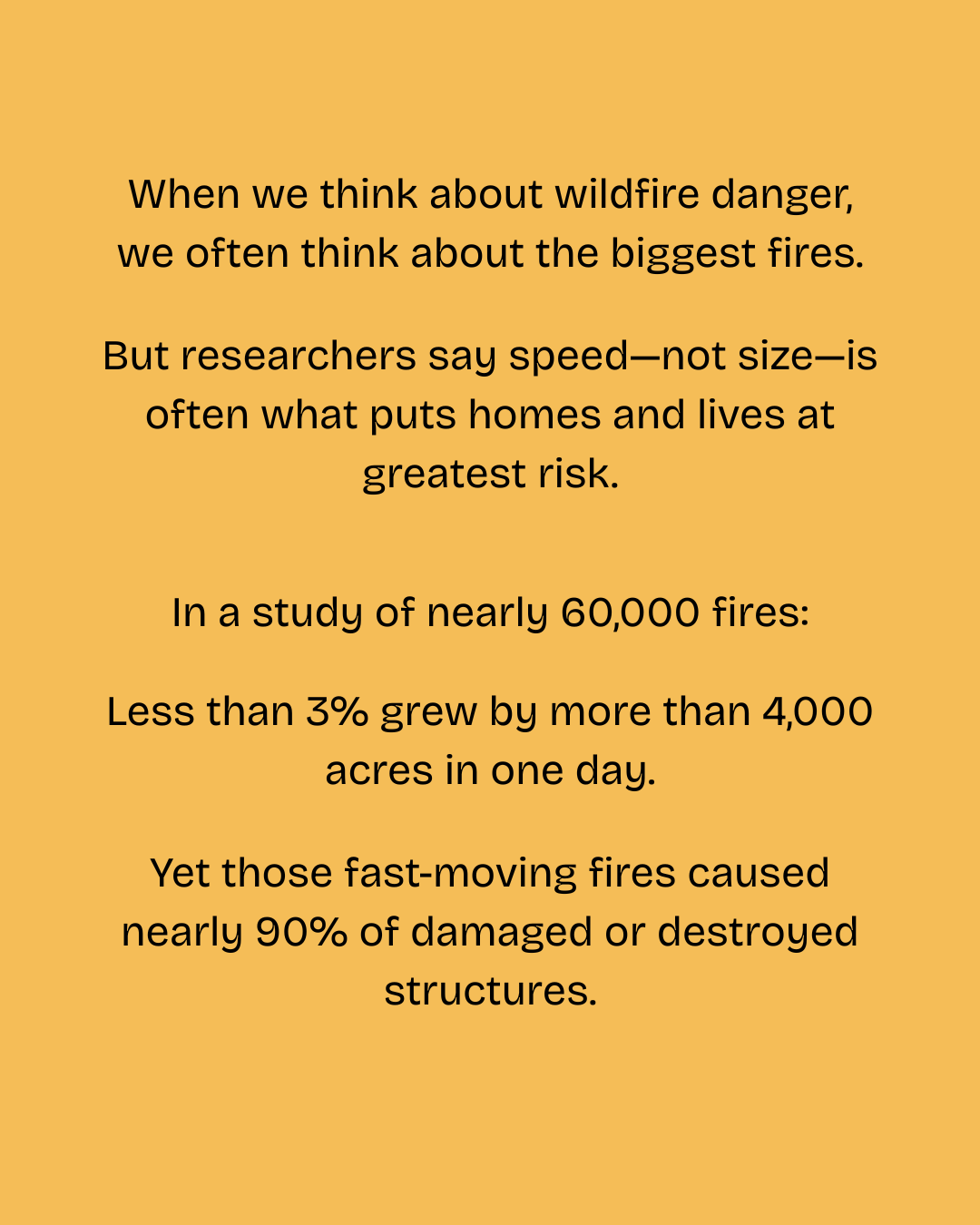
New research finds that the small number of fires that grow extremely quickly cause a disproportionate share of homes and structures damaged or destroyed. These wind-driven fires can move through dry grasslands and toward neighborhoods faster than firefighters can safely contain them.

That matters here in Nevada.

Preparation cannot begin when the smoke is already in the air. We need investments in fire-resilient homes, defensible-space assistance, evacuation planning, clean-air spaces, and support for neighbors who may not have the resources to prepare or recover on their own.

Wildfire resilience is environmental justice. Older adults, renters, low-income families, outdoor workers, and rural communities should not be left to face growing risks alone.

Congregations can be part of this work too: check in on neighbors, keep updated contact lists, help people make evacuation plans, and share trusted information before an emergency begins.

The time to prepare is now—not when the flames arrive.

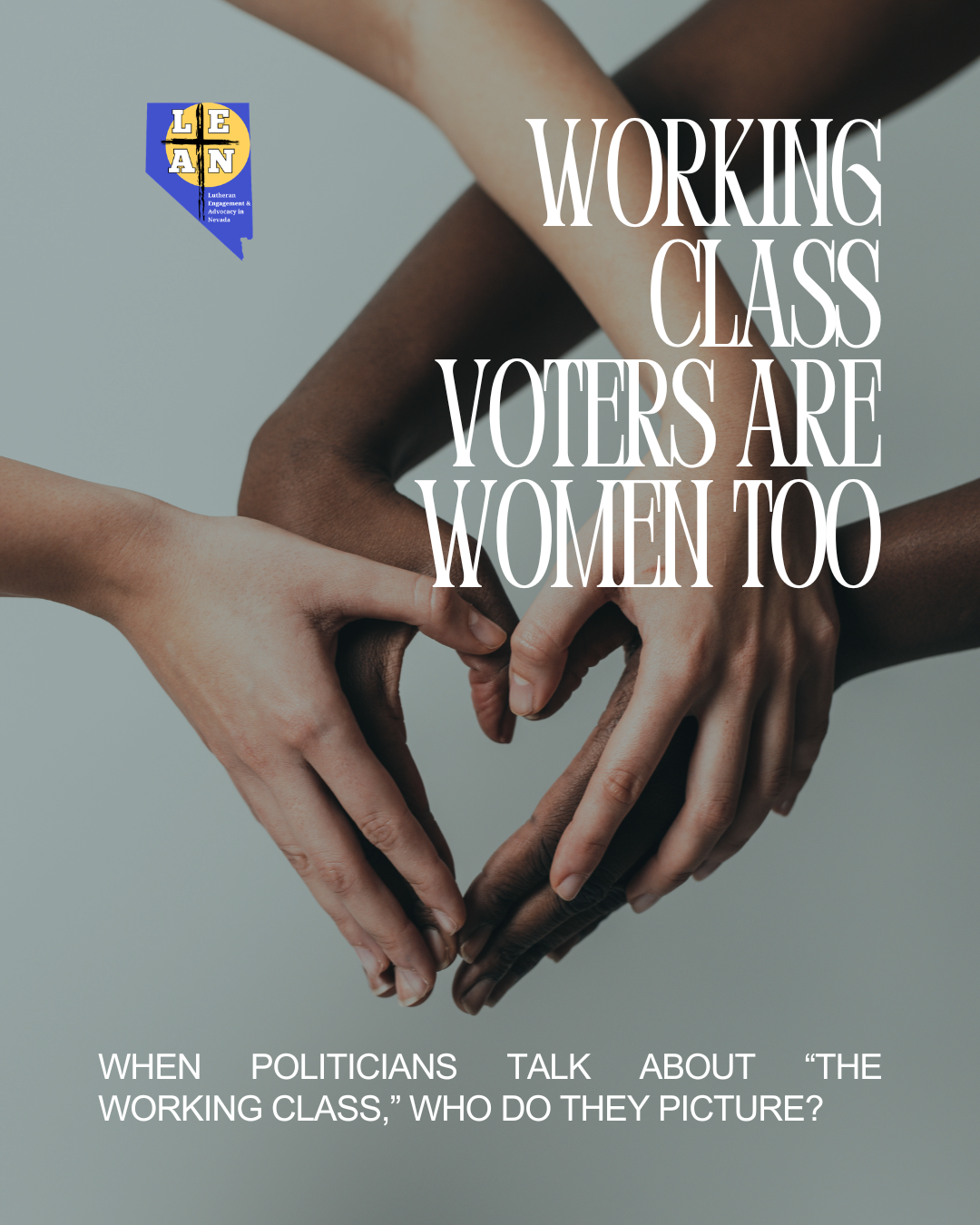
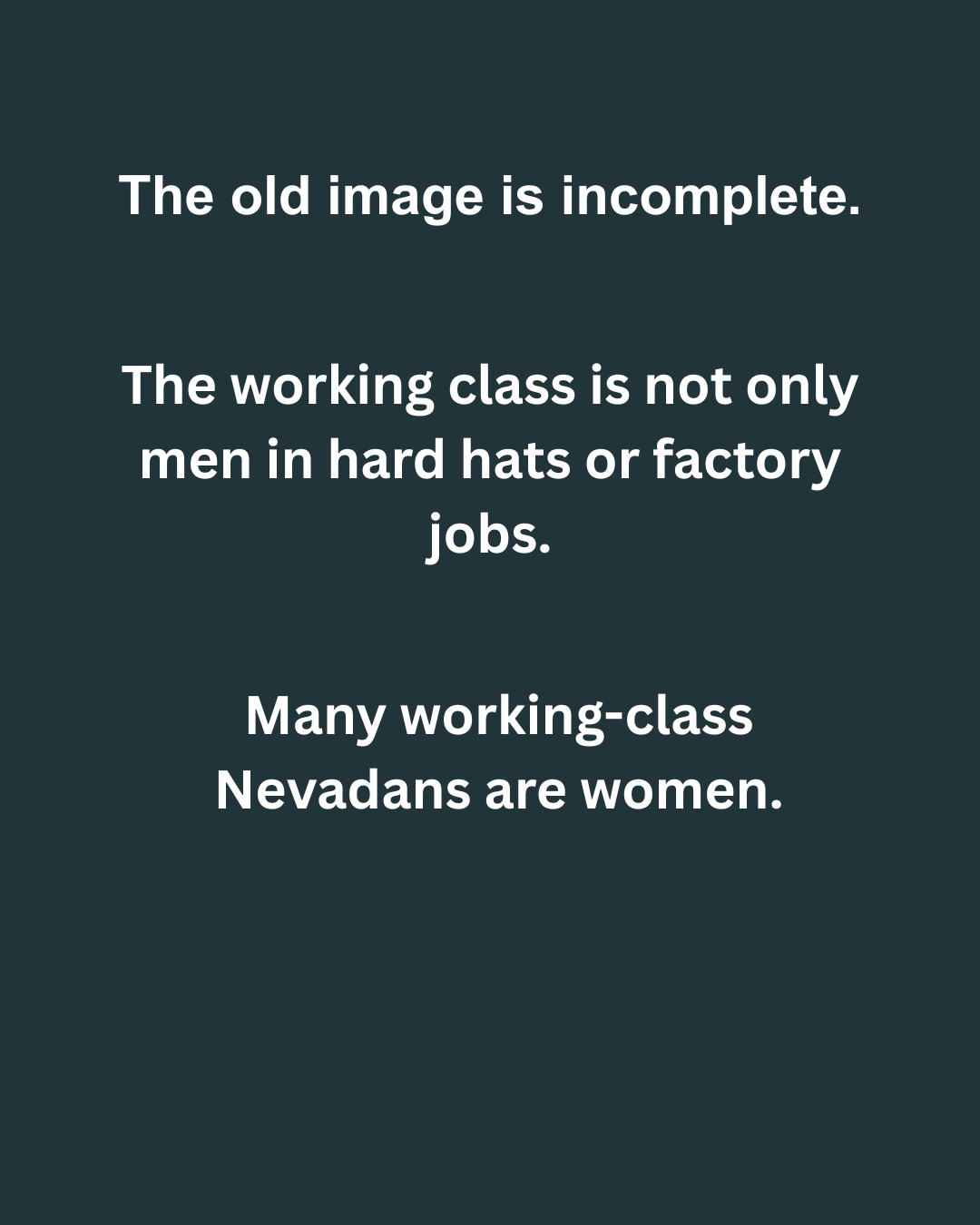
Working-Class Voters Are Women Too

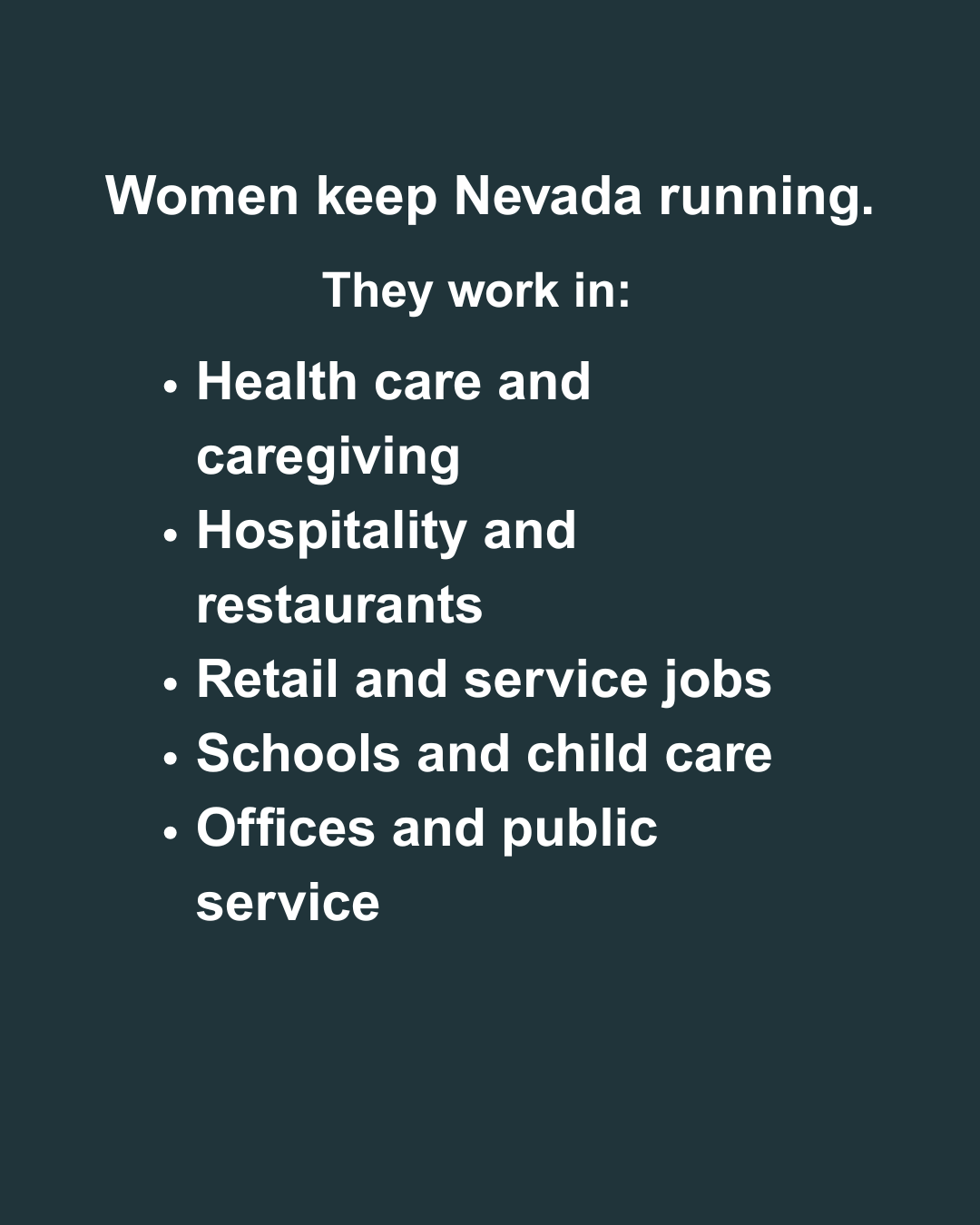
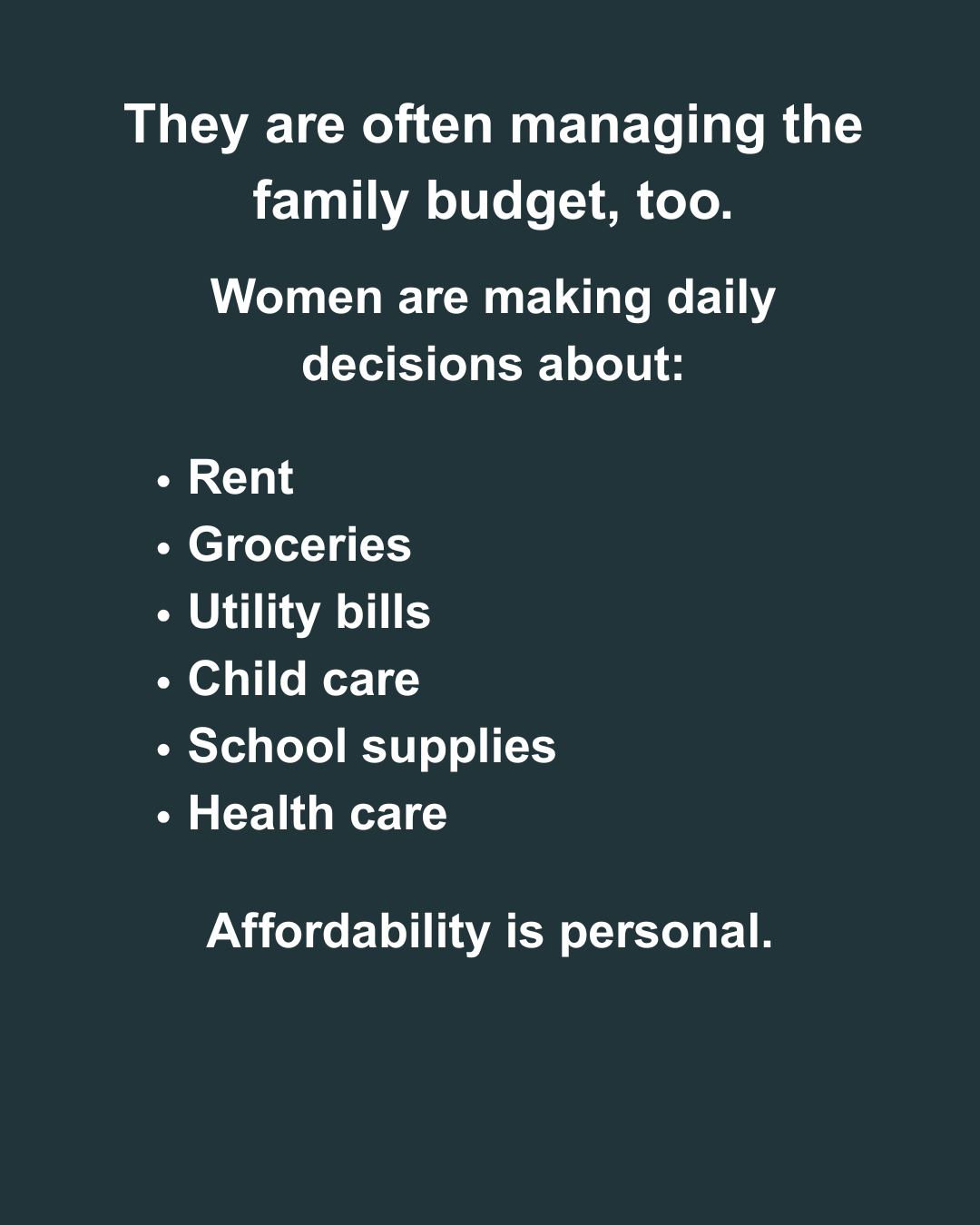
Working-class families are not an abstraction. They are parents deciding whether child care is worth the cost of returning to work, workers stretching a paycheck across rent and groceries, caregivers, retail employees, hospitality workers, educators, and neighbors trying to keep up with rising utility and health care bills.

Too often, political conversations about “working-class voters” leave out the many women who make up this workforce and carry so much of a family’s financial and care responsibilities.

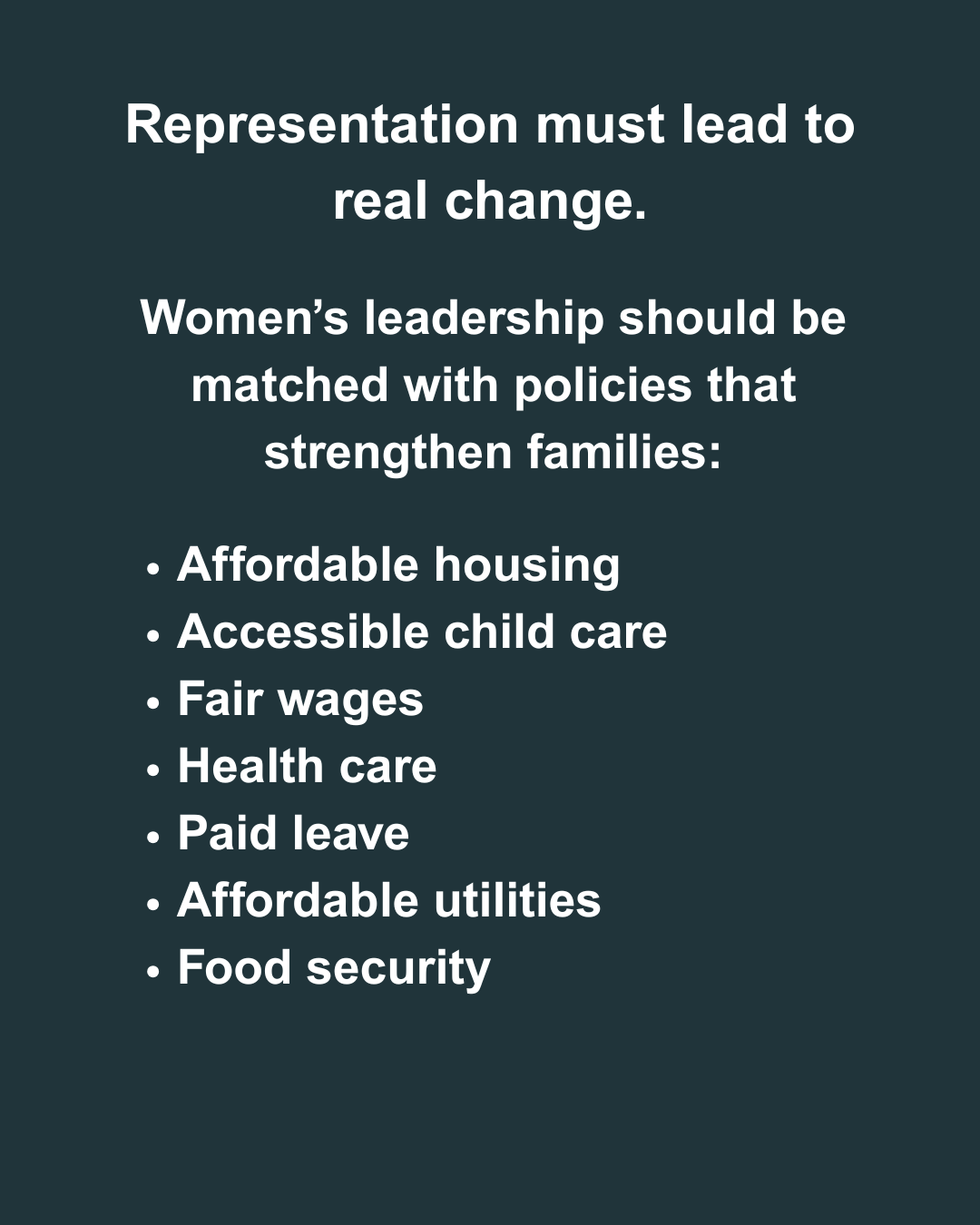
Economic justice means listening to people’s lived experience—and advancing policies that make it possible not only to work, but to live with dignity: affordable housing, fair wages, accessible child care, reliable health care, and utility costs families can afford.