Today, on Indigenous Peoples’ Day, Lutheran Engagement and Advocacy in Nevada (LEAN) honors the Indigenous peoples whose homelands are now called Nevada, and the Native communities who continue to shape this state.
Nevada is home to 28 federally recognized Tribes, as well as urban Native communities. The state’s Tribal Nations include the Waší∙šiw (Washoe), Numu (Northern Paiute), Newe (Western Shoshone), Nuwuvi (Southern Paiute), and Pipa Aha Macav (Fort Mojave) peoples. Each Nation has its own history, culture, government, and ongoing relationship with its homelands.
We honor the sovereignty, resilience, and leadership of Nevada’s Tribal Nations and Native communities. May this day call us to listen, learn, and support Indigenous self-determination—not only today, but throughout the year.
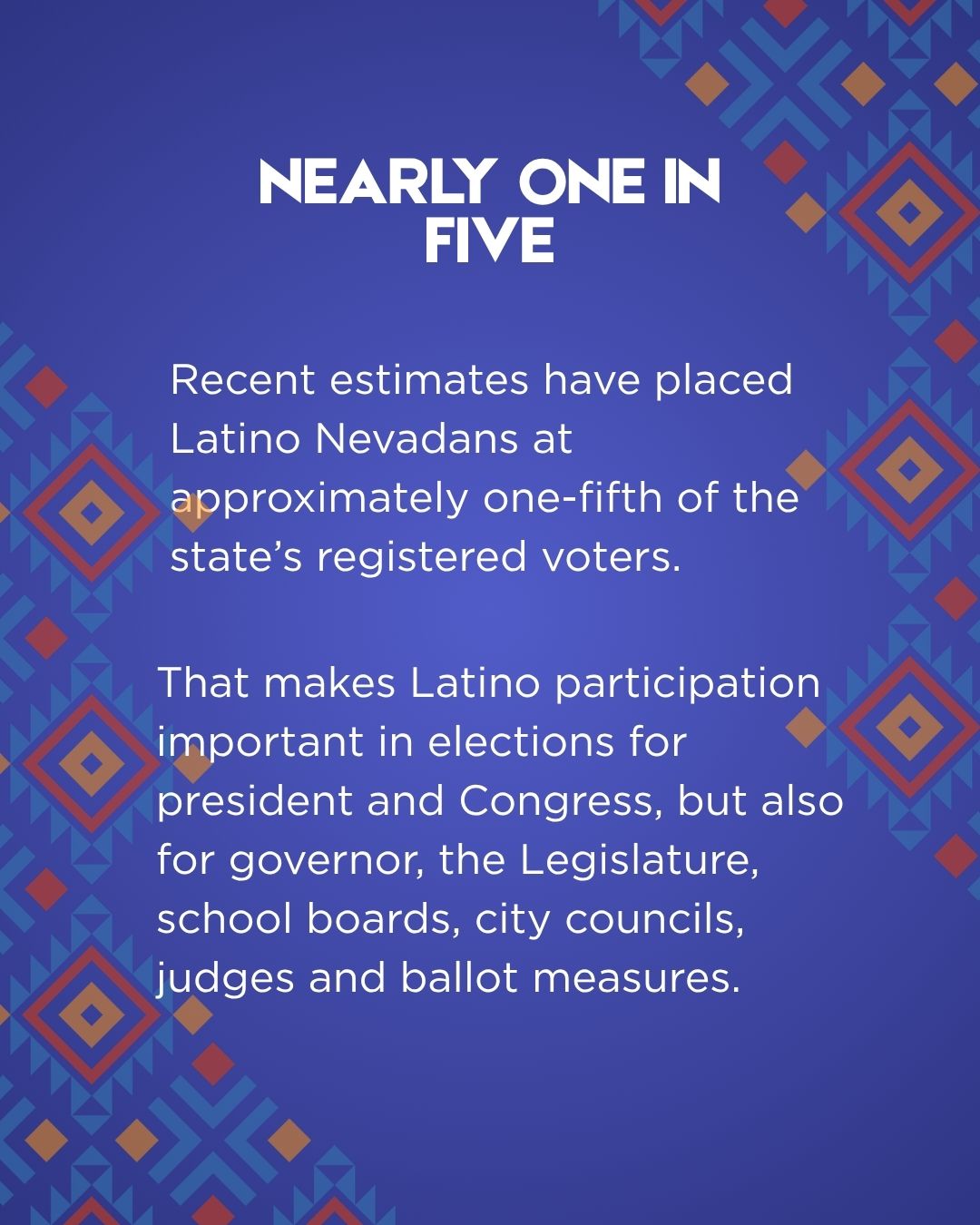
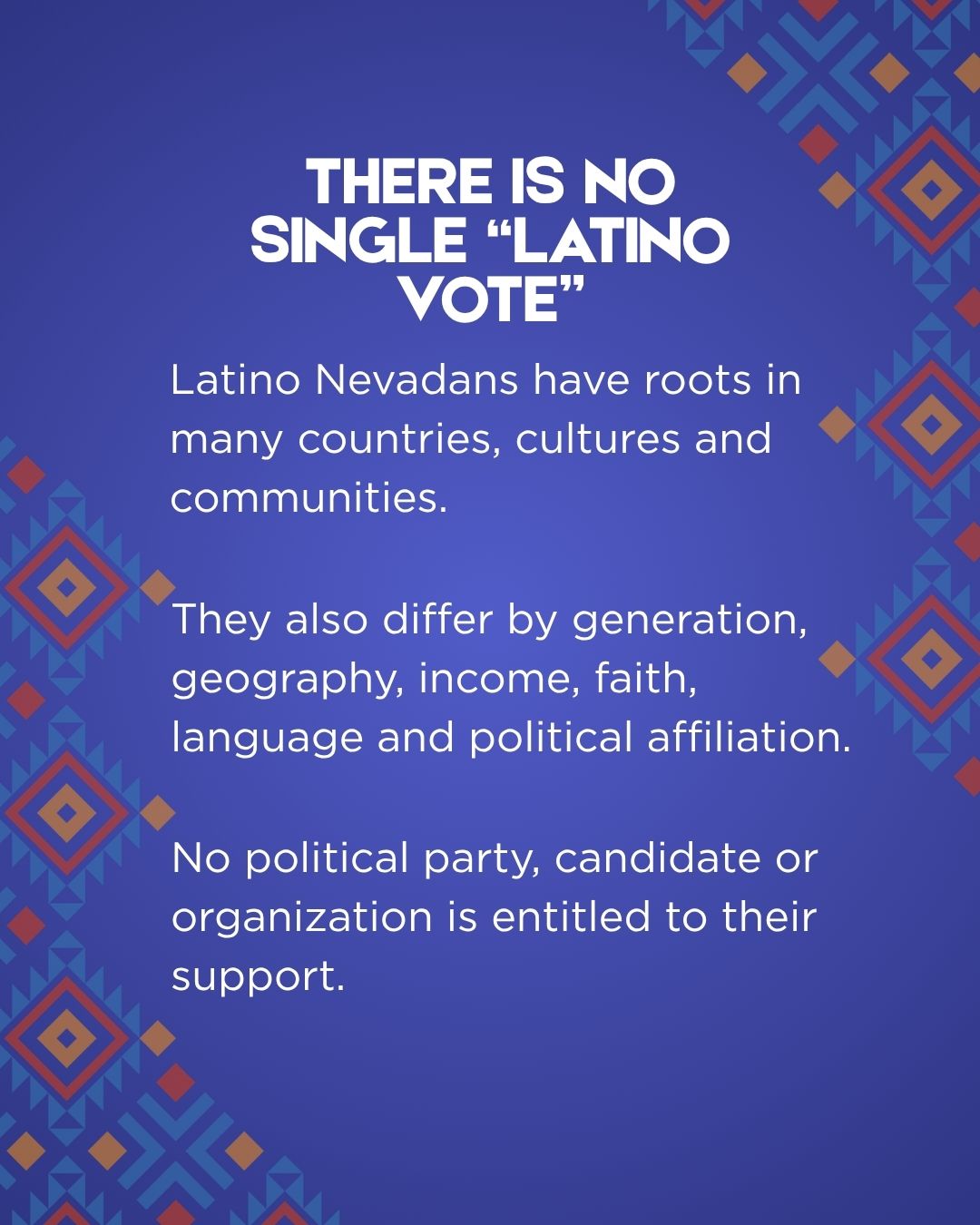
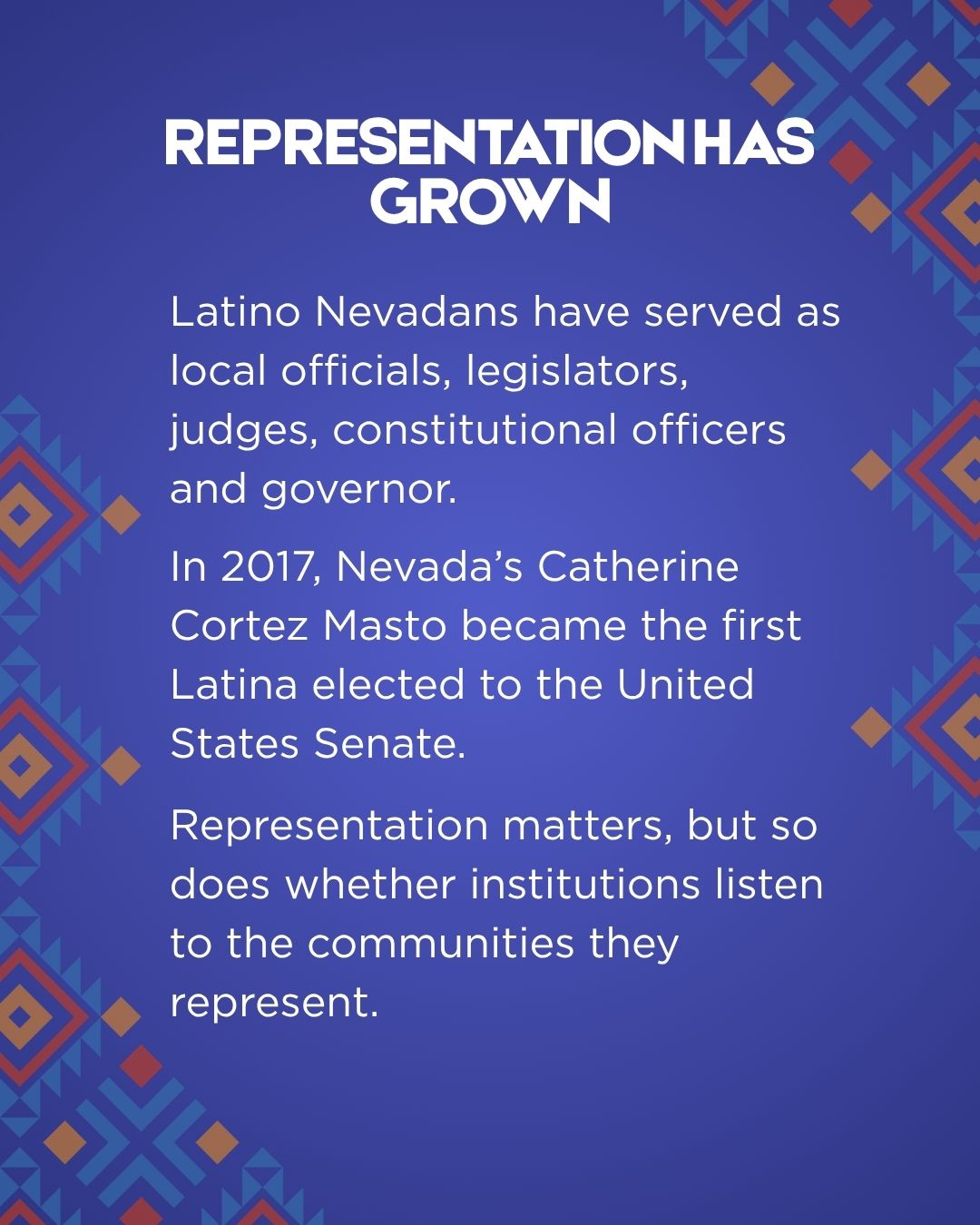
Latino voters are a significant and growing part of Nevada’s electorate—but there is no single “Latino vote.”
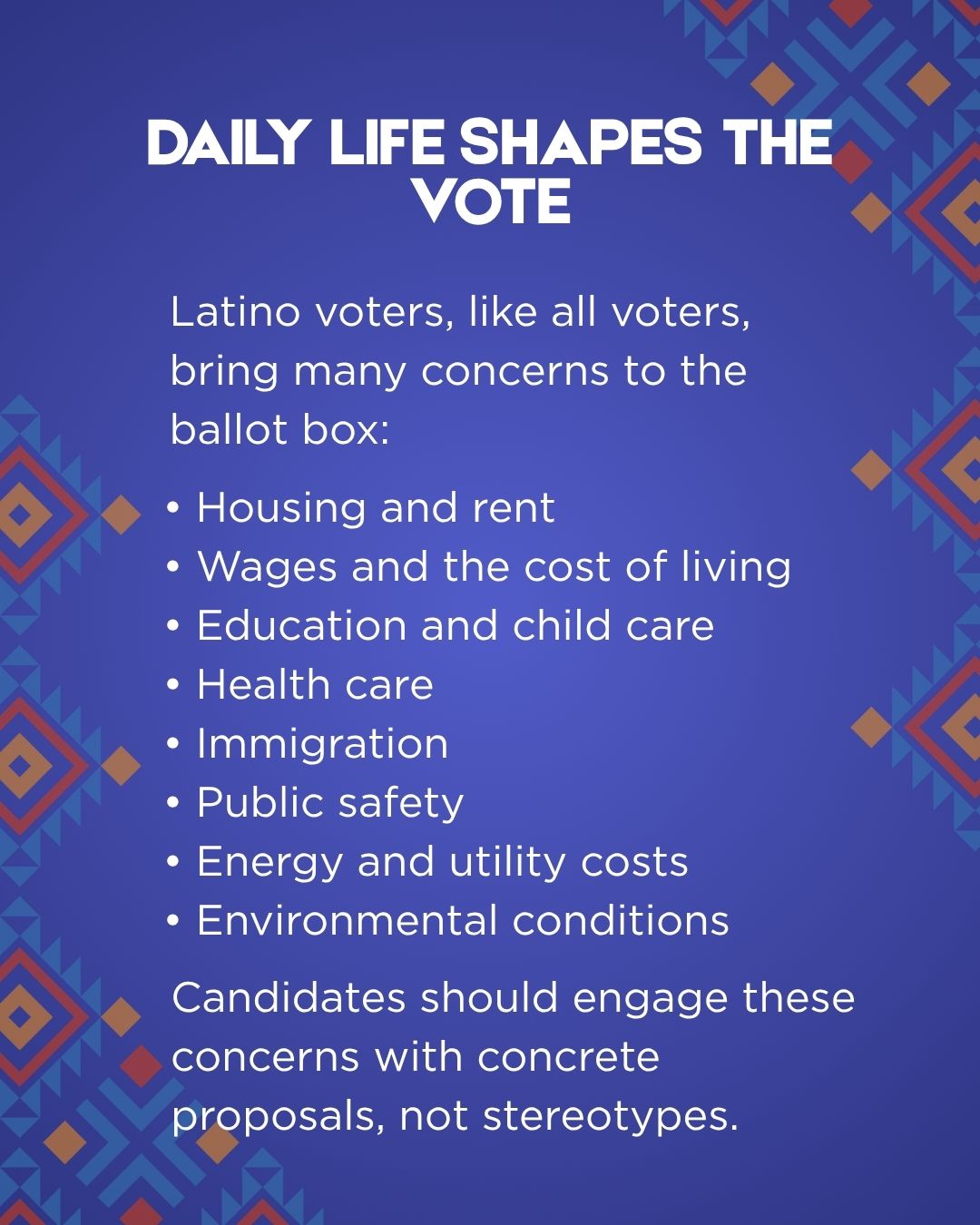
Latino Nevadans come from different countries, cultures, generations, faith traditions and economic circumstances. They hold diverse political views and bring many different priorities to the ballot box. No campaign or political party should treat them as a single bloc—or wait until the final weeks of an election to begin listening.
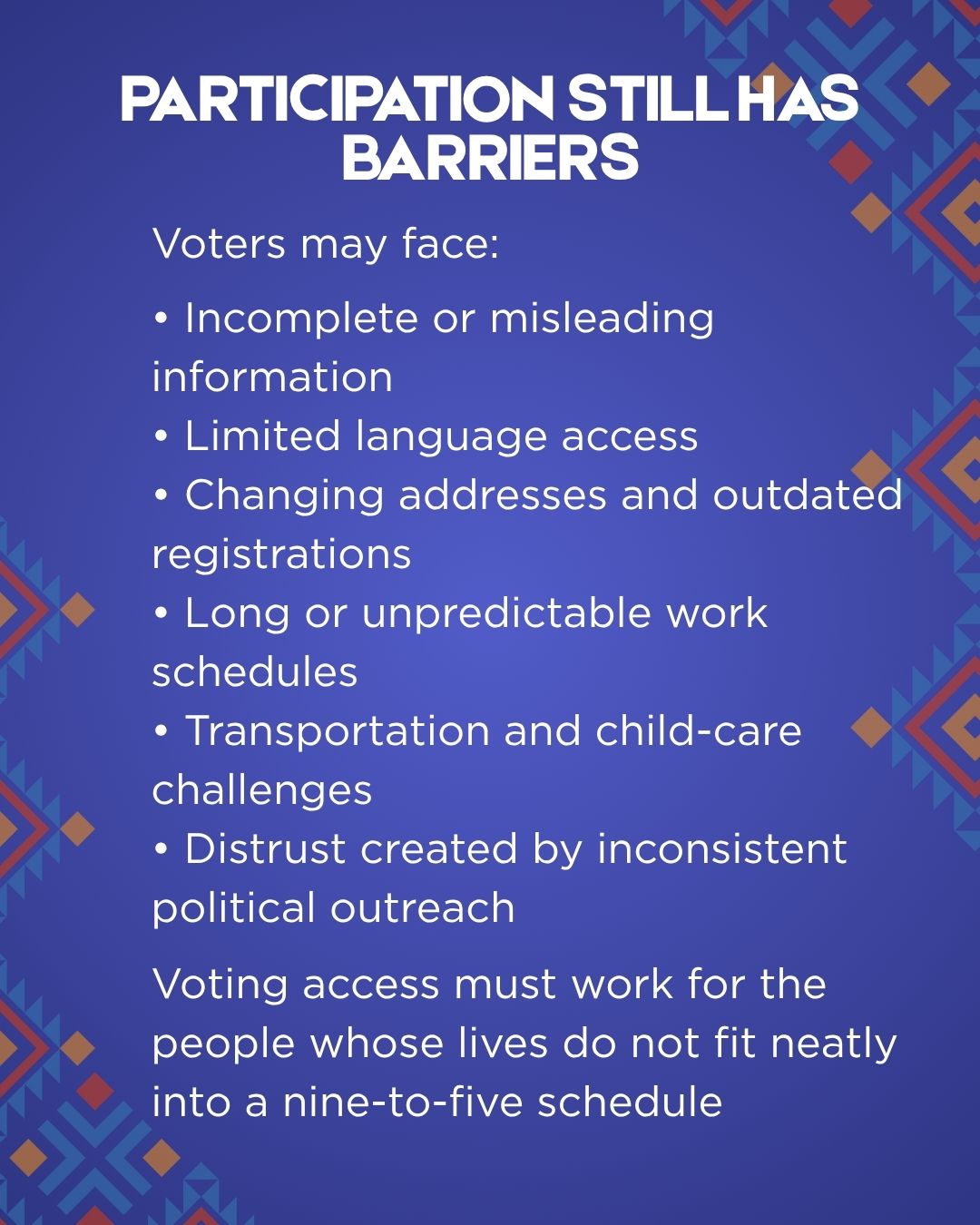
Meaningful civic participation requires accurate information, language access and voting options that recognize the realities of work, transportation, child care and changing addresses. It also requires candidates and public institutions to engage communities throughout the year.
For Nevada’s 2026 general election:
Early voting: October 17–30 Election Day: Tuesday, November 3 Registration and voter information: VOTE.NV.gov Mail-ballot tracking: MyBallot.NV.gov
The Nevada Secretary of State recommends mailing your ballot at least one week before Election Day. After that, consider using an official ballot drop box or returning it directly to your county election office or an authorized voting location.
Latino voters are not an afterthought. They are part of Nevada’s present—and central to its future.
Wildfire risk is increasingly shaping whether families can buy, sell, insure, or remain in their homes. A new regional report covered by KUNR finds that rising premiums, canceled policies, and unavailable coverage are beginning to disrupt real-estate markets across the West.
What is happening?
As climate-driven wildfires, hailstorms, and other disasters grow more destructive, homeowners insurance is becoming more expensive and harder to obtain. Some prospective buyers have approved mortgages and signed contracts, only to see their purchase fall through because they cannot secure affordable coverage.
A survey cited in the report found that about one in 10 homebuyers and sellers encountered insurance problems. In California, one in seven realtors reported a sale falling through because of insurance complications in 2024, an increase from the year before.
Why it matters for Nevada
Nevada is not immune. Wildfire danger, rising housing costs, and limited insurance options can combine to make homeownership less attainable and less stable, especially for rural residents, older adults on fixed incomes, and families already stretched by mortgage, utility, and grocery costs.
This is not only an insurance issue. It is a housing justice, economic justice, and creation care issue.
When coverage becomes unaffordable or unavailable:
Families may be unable to purchase a home.
Homeowners may face sudden, unaffordable premium increases or policy cancellations.
Sellers may have difficulty finding buyers.
Communities can lose stability and long-term affordability.
The burden falls most heavily on people with the fewest financial resources to absorb it.
What a just response requires
Individual preparedness matters. Creating defensible space and improving a home’s fire resistance can protect people and property.
But homeowners cannot solve a landscape-scale crisis alone. Effective wildfire resilience requires public investment and shared responsibility:
Community-wide and landscape-level wildfire mitigation
Healthy forests, land stewardship, and climate action
Reliable emergency alerts and disaster preparedness
Fair, accessible insurance coverage
Transparency and accountability from insurance companies
Policies that keep wildfire risk from becoming another driver of displacement
At LEAN, we believe every Nevadan deserves a safe, affordable place to call home. Caring for creation means caring for the people and communities most affected by a changing climate.
Transportation shapes access to jobs, healthcare, education, and opportunity.
Whether it is road safety, public transit, walkability, or infrastructure investment, transportation policy impacts daily life across urban and rural Nevada.
As Nevada grows, communities are asking how transportation systems can better serve workers, seniors, students, and families.
LEAN into 2026 by learning how transportation decisions affect our neighborhoods and economy.
Not every important local public official is elected. Mayors, city councils, county commissioners, school boards, and other elected bodies often appoint leaders who oversee the daily work of government and deliver essential services.
City Manager or County Manager
A city or county manager is the chief administrator of local government. They carry out the policies and budgets approved by elected officials, supervise departments and staff, manage public services, prepare budgets, and respond to emergencies. While residents do not vote directly for a manager, they elect the officials who hire, evaluate, and can remove that person.
City Attorney or County Counsel
In many Nevada communities, the city or county attorney is appointed rather than elected. This office provides legal advice to local government, represents the jurisdiction in legal matters, drafts ordinances and contracts, and may prosecute local ordinance violations. In some cities, including Reno, the City Attorney is elected.
City Clerk or County Clerk
Clerks preserve public records, prepare meeting agendas and minutes, administer elections in some jurisdictions, issue licenses, maintain official documents, and help ensure that local government actions are open and accessible to the public.
Public Defender
Public defenders represent people who cannot afford an attorney in criminal cases. Their work is essential to the constitutional right to legal counsel and to a justice system that is fair, effective, and accountable.
Planning and Zoning Commissioners
Planning commissions are usually appointed by city councils or county commissions. They review proposed developments, zoning changes, housing plans, and land-use policies, then make recommendations or decisions depending on the community. Their work can shape affordability, neighborhood character, transportation, environmental health, and how a community grows.
Library, Parks, Transit, Hospital, and Utility Boards
Many local services are guided by appointed boards and commissions. These bodies may oversee libraries, parks, public transit, hospitals, water systems, utilities, airports, and other community resources. Their decisions affect access, rates, facilities, services, and long-term public investment.
Why the Mayor Matters
A mayor is often the most visible local elected official and can play an important role in setting a city’s direction. The mayor represents the community, leads council meetings, works with other local and state leaders, makes appointments to boards and commissions, and may have specific responsibilities during emergencies.
In many Nevada cities, the mayor works within a council-manager form of government. The mayor and city council set policy, adopt budgets, and establish community priorities; the city manager handles day-to-day administration. That does not make the mayor ceremonial. A mayor can use public leadership to build consensus, elevate community concerns, shape appointments, guide major policy conversations, and hold the city’s administration accountable.
The authority of each mayor depends on the city charter. But every mayor helps communicate whose voices are heard, what challenges receive attention, and what kind of community a city seeks to become.