As Lutherans, we believe every person is created in God’s image and deserves compassionate care throughout every stage of life. Supporting accountability in hospice care means protecting vulnerable neighbors while ensuring that legitimate providers can continue offering comfort, dignity, and hope to patients and their families. Good public policy should both safeguard public resources and strengthen access to quality care for every Nevadan.
End-of-life care is one of the most sacred moments in a person’s life.
Nevada has paused licensing new hospice providers while state officials investigate fraud concerns and strengthen oversight of the hospice system. The goal is to protect patients, safeguard public resources, and ensure that Medicare and Medicaid dollars reach the people they are intended to serve.
As people of faith, we believe every person deserves compassionate, dignified care at the end of life. Accountability and access should go hand in hand. Strong oversight is important—but so is making sure families, especially in rural and underserved communities, can receive quality hospice care when they need it most.
This is a reminder that good public policy is about both stewardship and compassion: protecting vulnerable neighbors, supporting ethical providers, and building a healthcare system worthy of the trust Nevadans place in it.
“Bear one another’s burdens, and in this way you will fulfill the law of Christ.” — Galatians 6:2
Lutheran Engagement and Advocacy in Nevada Launches “Building a More Just Nevada” Campaign Ahead of the 2027 Legislative Session
Congregations Encouraged to Use August Recess and Fall Election Season to Advocate for the Common Good
CARSON CITY, Nev. — As members of Congress return home for the August recess and Nevada lawmakers continue preparing for the 2027 Legislative Session, Lutheran Engagement and Advocacy in Nevada (LEAN) is inviting congregations across the state to embrace this season as Building a More Just Nevada, a time to advocate faithfully, strengthen relationships with elected officials, and prepare for the public policy conversations that will shape Nevada’s future.
While the Nevada Legislature will not convene until February 2027, much of the work is already underway. Interim legislative committees continue to study the state’s most pressing challenges, developing recommendations and bill draft requests that will become legislation next year.
At the same time, the August congressional recess provides a unique opportunity for people of faith to meet with their federal representatives while they are home in their districts.
“Faithful advocacy is not limited to one legislative session or one level of government,” said Rev. Paul M. Larson, Advocacy Director for Lutheran Engagement and Advocacy in Nevada. “This August and throughout the fall, we have an opportunity to build relationships, tell the stories of our communities, and advocate for policies that reflect our shared values of justice, compassion, and human dignity.”
As part of its Building a More Just Nevada campaign, LEAN is encouraging congregations to engage around five key advocacy priorities during the August recess:
Protect SNAP and strengthen the Farm Bill so every family has reliable access to nutritious food.
Protect Medicaid and expand access to affordable health care, ensuring that children, older adults, people with disabilities, and working families receive the care they need.
Address housing insecurity by supporting affordable housing, tenant protections, and solutions to homelessness.
Welcome immigrants, refugees, and asylum seekers with policies that uphold human dignity and strengthen communities.
Strengthen democracy and civic participation by encouraging voter engagement, protecting access to the ballot, and promoting respectful civic dialogue.
These priorities complement the issues Nevada lawmakers are already examining through interim committees, including affordable housing, behavioral health, youth mental health, workforce development, election administration, infrastructure, and environmental sustainability.
Throughout the fall, LEAN will provide congregations with educational resources, legislative updates, advocacy training, and opportunities to connect with elected officials before the start of the 2027 legislative session.
“Our advocacy is rooted in our baptismal calling to strive for justice and peace in all the earth,” Larson said. “Whether we are speaking with a member of Congress during the August recess or preparing testimony for the Nevada Legislature, every faithful conversation has the power to strengthen our communities and bring hope to our neighbors.”
LEAN encourages congregations to host community conversations, invite elected officials to visit their ministries, organize voter engagement efforts, and participate in upcoming advocacy events as Nevada prepares for the 2027 legislative session.
About Lutheran Engagement and Advocacy in Nevada
Lutheran Engagement and Advocacy in Nevada (LEAN) is the joint public policy ministry of the Sierra Pacific Synod and Grand Canyon Synod of the Evangelical Lutheran Church in America. LEAN equips Lutherans and partners across Nevada to advocate for policies that advance justice, compassion, and the common good through education, relationship-building, and faithful public witness.
Your congregation doesn’t need to have all the answers. It can be the place where neighbors gather to ask faithful questions and listen to one another.
Host a community conversation on topics that matter in your community:
Housing
Hunger
Mental health
Child care
Voting and civic participation
Creation care
Invite community organizations, local leaders, and neighbors to share their experiences. Focus on listening before solving.
Listening is one of the most faithful forms of leadership.
When churches create spaces for honest conversation, trust grows, relationships deepen, and communities become stronger.
Call to Action: What conversation does your neighborhood need? Open your doors and start listening.
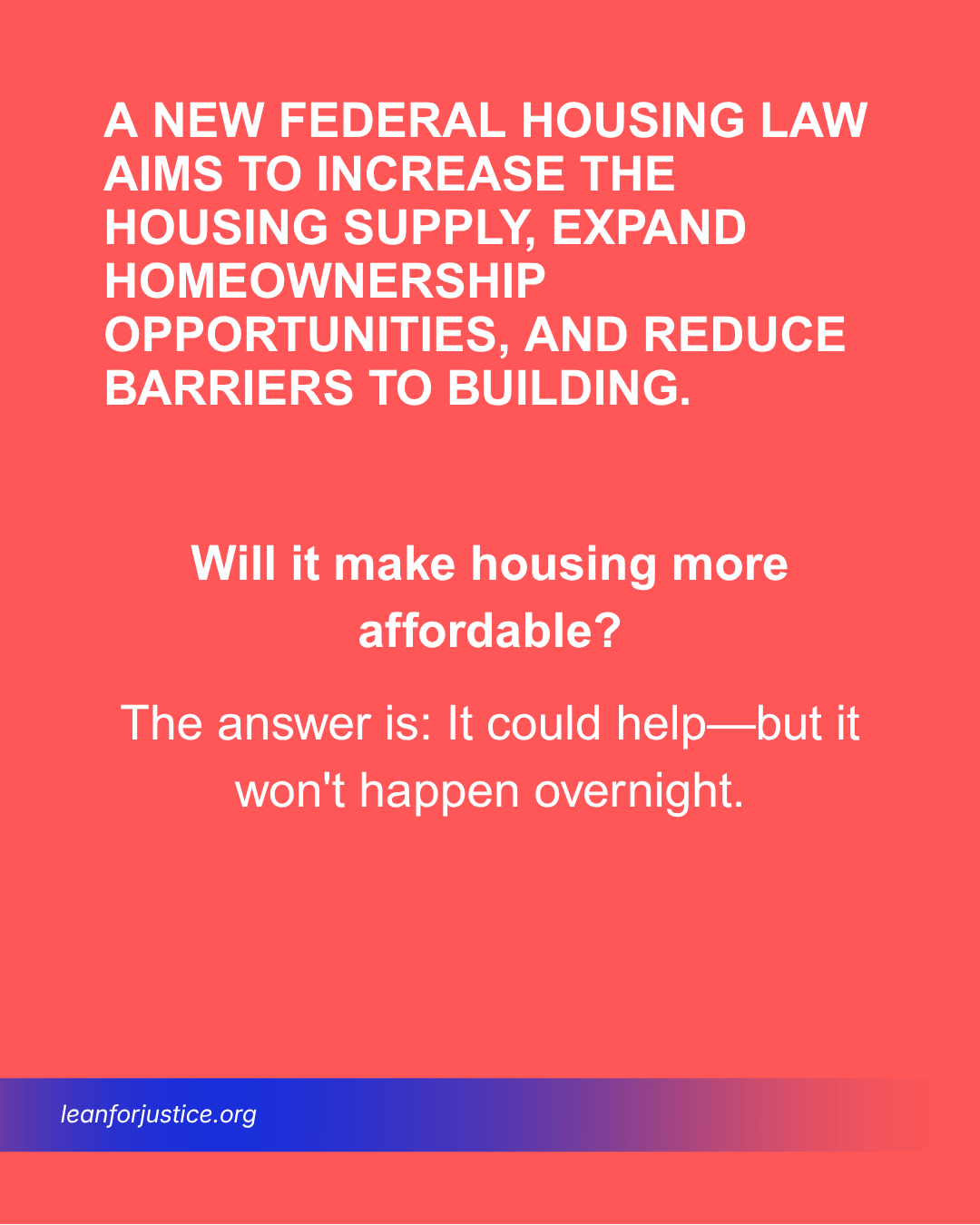
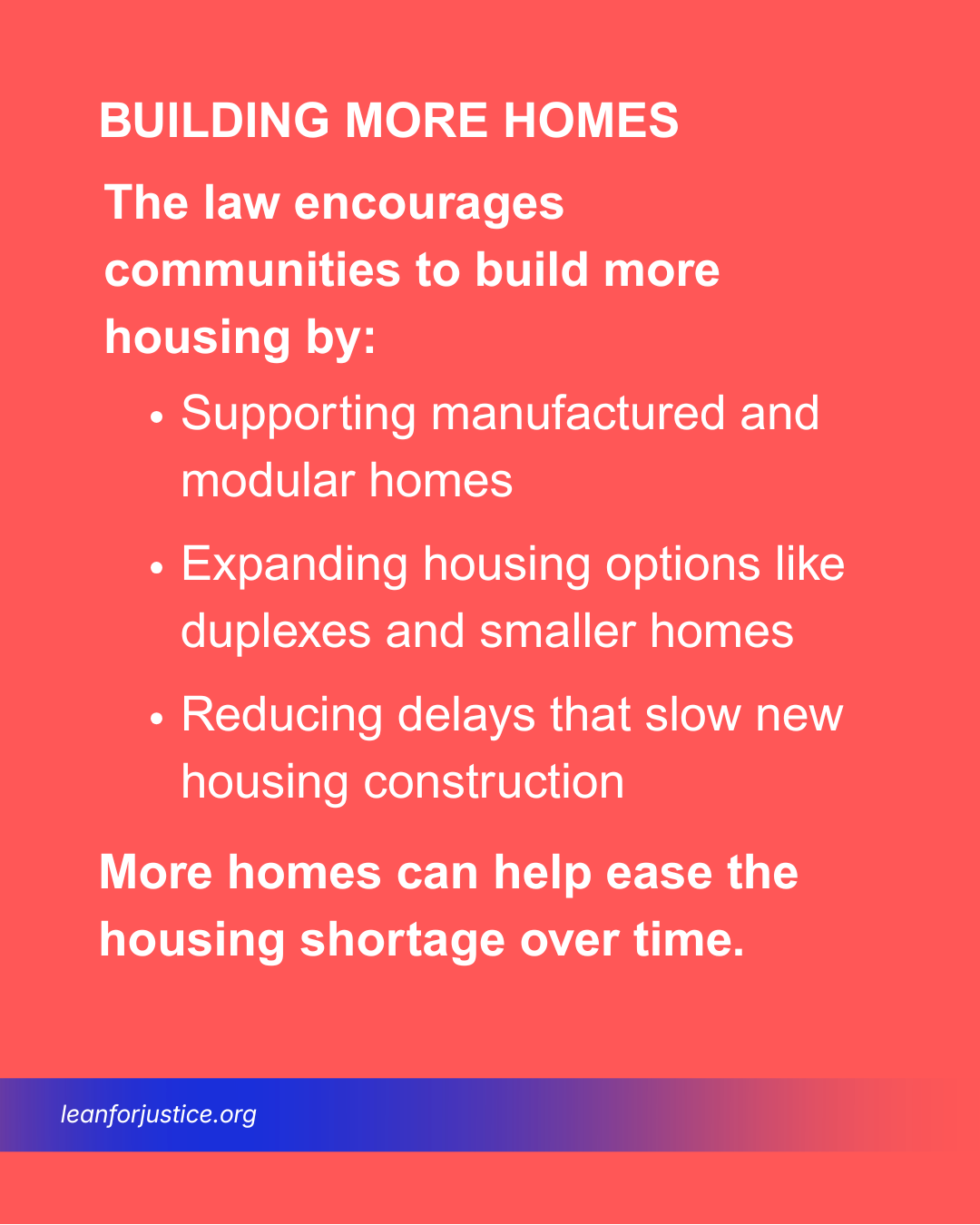
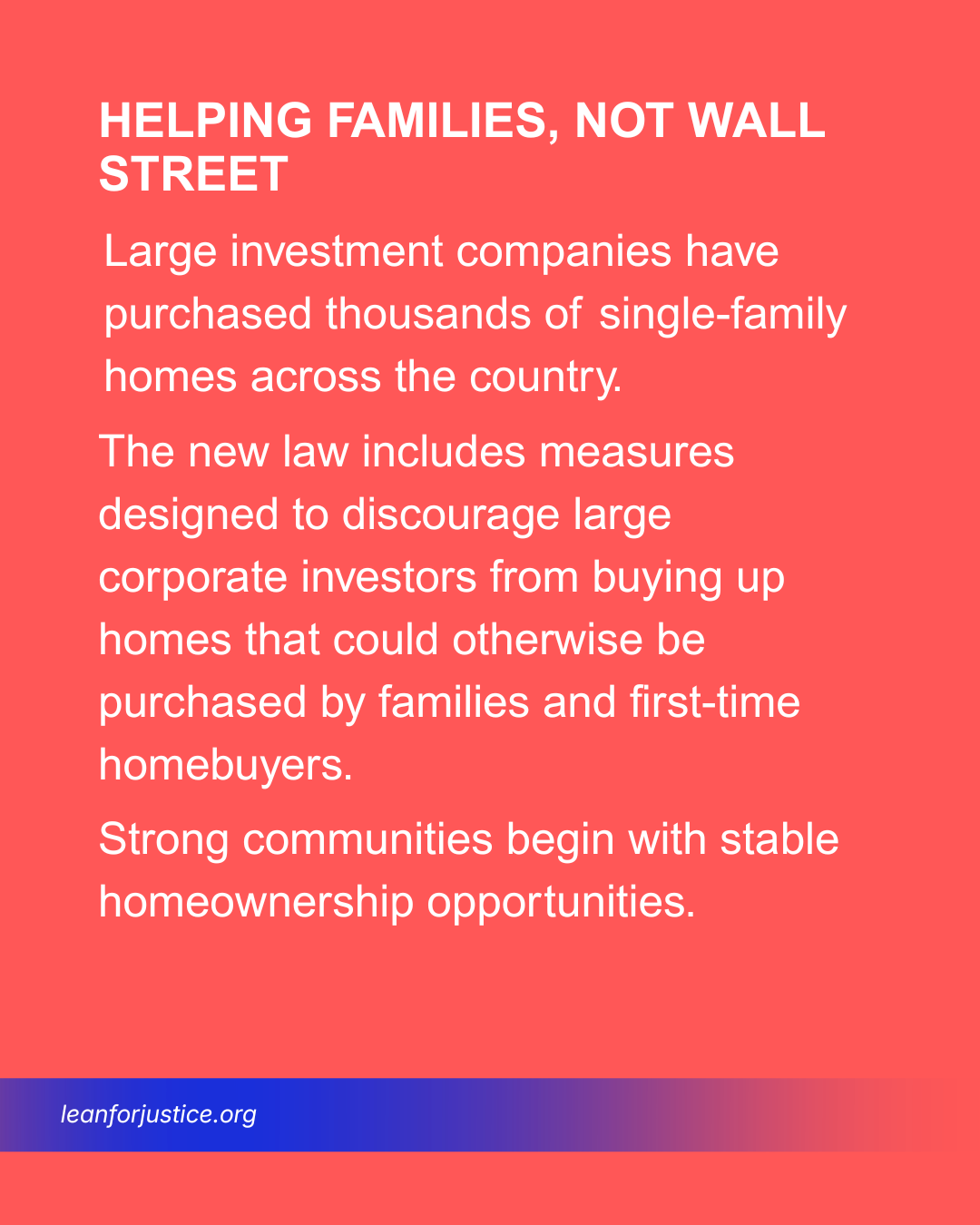
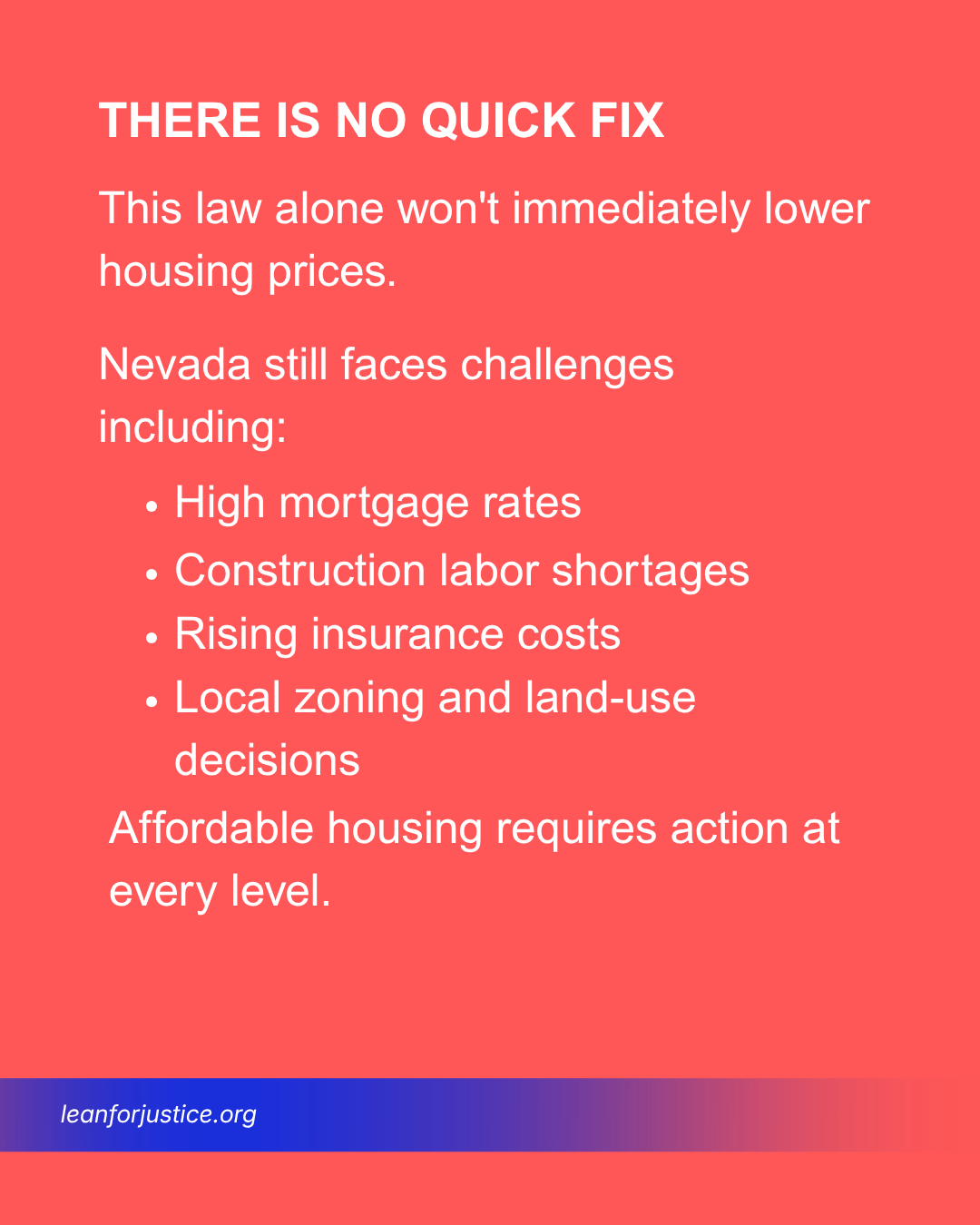
For many families, the dream of homeownership feels increasingly out of reach. A new federal housing law aims to increase the housing supply, encourage more homes to be built, and create additional opportunities for first-time homebuyers. While these reforms may help over time, they are not an overnight solution.
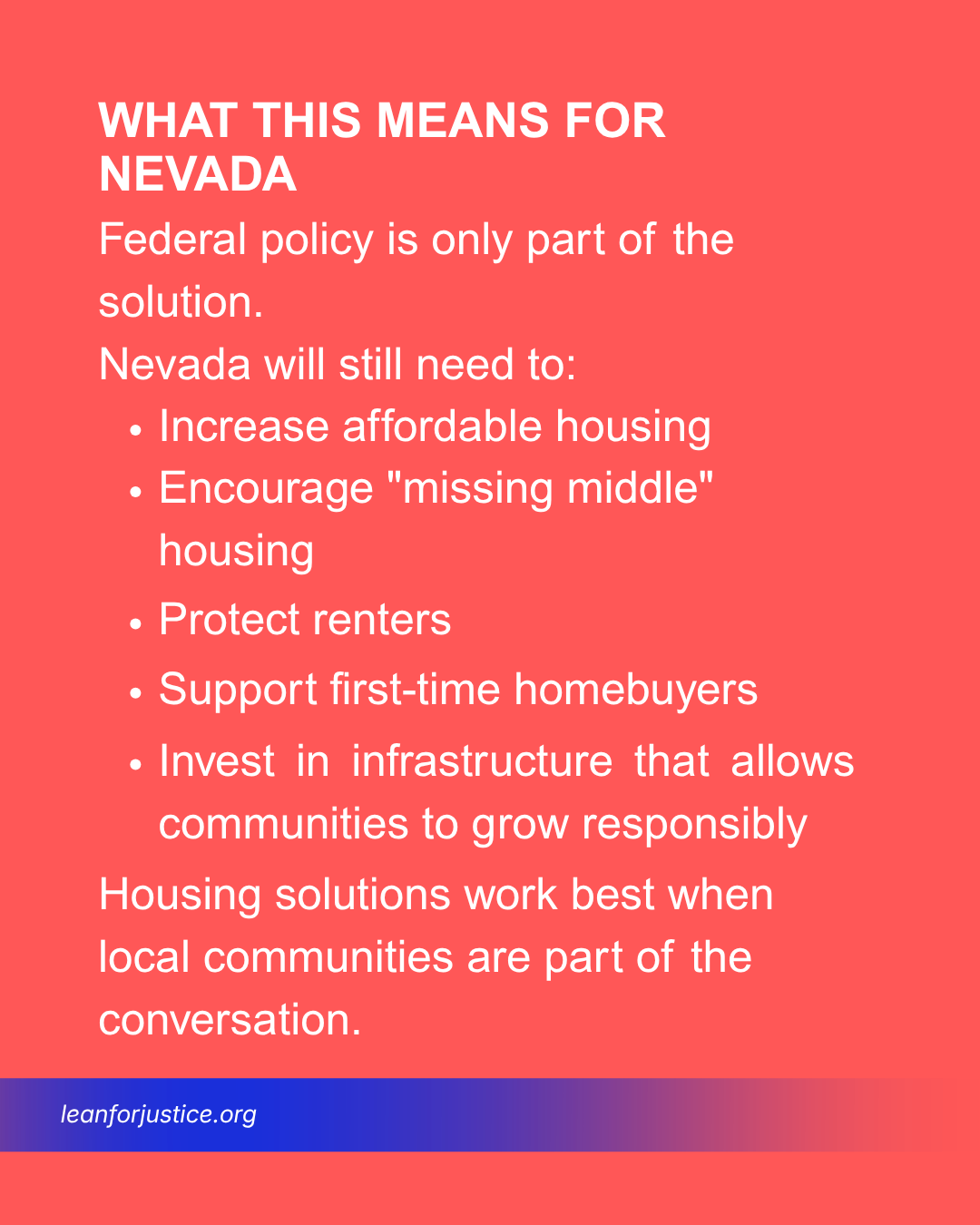
Nevada continues to face a housing shortage, rising insurance costs, higher construction expenses, and challenges that make it difficult for many families to find an affordable place to call home. Federal action is an important step, but state and local leaders will continue to play a critical role in expanding affordable housing, supporting responsible growth, protecting renters, and strengthening pathways to homeownership.
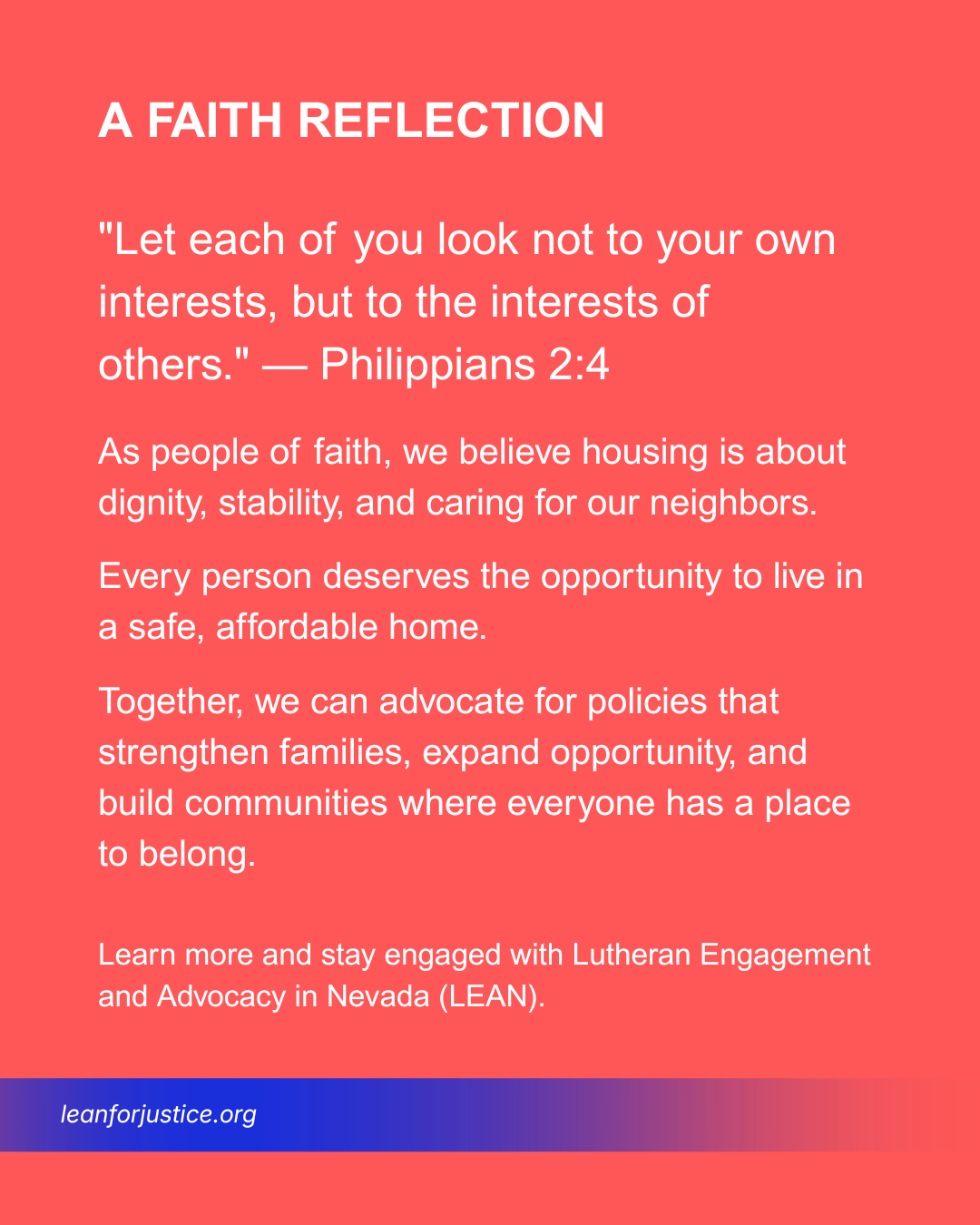
As people of faith, we believe that housing is more than an economic issue—it is about human dignity. Stable housing allows children to thrive, seniors to age with security, workers to remain in their communities, and families to build lasting roots.
“Let each of you look not to your own interests, but to the interests of others.” — Philippians 2:4
At Lutheran Engagement and Advocacy in Nevada (LEAN), we will continue to advocate for policies that promote safe, stable, and affordable housing so that every Nevadan has the opportunity to flourish.
Adapted from resources developed by the Evangelical Lutheran Church in America (ELCA).
As Lutherans, we believe that faith is active in love and that caring for our neighbors includes engaging in public life. Throughout Scripture, God calls us to seek justice, love mercy, and work for the common good. Advocacy is one way we live out that calling.
Each August, members of Congress typically spend time in their home states and congressional districts during the August recess. This creates one of the best opportunities of the year to meet with your U.S. senators and representative, attend town halls, visit district offices, and share how federal policies affect your congregation and community.
Whether your passion is ending hunger, protecting health care, welcoming immigrants, caring for creation, strengthening democracy, or expanding affordable housing, August is our moment to ensure that people of faith have a voice in Washington.
Most congressional offices accept meeting requests through their websites, although calling the district office is often just as effective.
When making your request:
Introduce yourself as a constituent.
Mention your congregation or organization.
Explain the purpose of the meeting.
Be flexible with dates and times.
If meeting as a group, let them know how many people will attend.
Meetings frequently take place with congressional staff, and that is perfectly appropriate. Staff members advise lawmakers every day and play a critical role in shaping policy.
Rather than discussing many topics, concentrate on one or two priorities.
During the 2026 August recess, Lutherans may wish to discuss:
Protect Food Security
Strengthen SNAP
Support a Farm Bill that helps families, farmers, and rural communities
Expand access to nutritious food
Protect Health Care
Protect Medicaid
Strengthen rural health care
Improve access to behavioral and mental health services
Expand Affordable Housing
Increase affordable housing supply
Prevent homelessness
Support renter protections
Welcome Immigrants and Refugees
Support humane immigration policies
Protect asylum seekers
Strengthen refugee resettlement
Care for God’s Creation
Protect public lands
Address extreme heat and wildfire resilience
Invest in clean energy and conservation
Strengthen Democracy
Protect voting rights
Ensure accessible elections
Promote civic participation and trust in democratic institutions
Choose the issue that best reflects your congregation’s ministry or your own experience.
Step 4: Tell Your Story
Statistics matter.
Personal stories matter even more.
Share how federal policy affects your congregation, ministry, neighborhood, or family.
Examples include:
A food pantry serving more families because food prices remain high.
A senior relying on Medicaid to remain in their home.
A family struggling to find affordable housing.
A congregation welcoming refugees.
Volunteers caring for Nevada’s public lands.
Stories help lawmakers understand that these issues affect real people—not just budgets.
Step 5: Assign Roles
If attending as a group of four or five people, consider assigning roles.
Facilitator
Opens the meeting
Introduces everyone
Keeps time
Thanks the office at the end
Storyteller
Shares a personal experience
Explains why the issue matters
Policy Lead
Explains the specific request
Answers technical questions if needed
Closer
Summarizes the request
Asks for continued partnership
Collects contact information
Step 6: Attend Town Halls
Town halls provide another opportunity to engage your elected officials.
Before attending:
Review your questions.
Arrive early.
Bring friends from your congregation.
Keep your question brief and respectful.
If possible, submit your question ahead of time.
Good questions invite conversation rather than confrontation.
Step 7: Make a Clear Ask
Every meeting should end with a specific request.
For example:
Will you support legislation protecting SNAP?
Will you oppose cuts to Medicaid?
Will you support investments in affordable housing?
Will you protect funding for refugee resettlement?
Will you support policies that protect Nevada’s public lands?
Be respectful, direct, and clear.
Step 8: Follow Up
Within two days:
Send a thank-you email.
Include any resources you promised.
Share photos on social media if appropriate.
Keep the relationship going.
Advocacy is not a single meeting—it is an ongoing conversation.
Advocacy Is a Ministry
The ELCA teaches that government is one of the ways God works to promote justice and preserve community life. Christians therefore have both the opportunity and the responsibility to participate faithfully in civic life.
Advocacy is one way we love our neighbors.
When we speak for those experiencing hunger, poverty, illness, discrimination, or injustice, we bear witness to God’s vision for a world where every person can flourish.
This August, let us move faithfully from worship into public witness, bringing compassion, hope, and courage into the halls of government.
August is our moment. Let’s use our voices for the common good.


 Lutheran Engagement and Advocacy in Nevada