Data Centers Impacts – Lyon County

Last week, another data center is moving forward in Nevada, and once again, we need to ask whether our policies are keeping pace with the speed of development.

Lyon County commissioners have approved a zoning change for the proposed Monarch Data Center near Yerington, a project that could eventually demand 1,000 megawatts of electricity and cover more than 500 acres in Mason Valley.

To put that into perspective: Nevada’s statewide peak electricity demand in 2025 was about 8,500 megawatts.

And energy is only part of the conversation.

There remain significant questions about water use, groundwater, air pollution, energy infrastructure, wildfire risk, and impacts on neighboring communities. The Walker River Paiute Tribe and Yerington Paiute Tribe have also opposed the project, raising another important question about meaningful Tribal consultation.

Meanwhile, Lyon County is still developing its first ordinance specifically regulating data centers.

At LEAN, we believe this conversation cannot simply be about whether Nevada welcomes technological development. The question must also be:

Who benefits, who carries the burden, and who gets a voice before these projects are approved?

Nevada communities are already facing rising utility costs, limited water resources, drought, housing pressures, and an increasingly strained electrical grid. Rural communities should not be asked to shoulder enormous new demands without transparency, accountability, and meaningful public participation.

As we prepare for the 2027 Nevada Legislative Session, Lutheran Engagement and Advocacy in Nevada will continue studying the rapid expansion of data centers across our state and advocating for policies that protect our water, our energy grid, Tribal communities, ratepayers, and the communities being asked to host these projects.

Economic development and technological innovation can be part of Nevada’s future.

But development must also mean being good stewards of the land, water, and resources entrusted to us—and loving our neighbors who will live with the consequences long after construction is finished.

Nevada needs thoughtful statewide standards before development outpaces our ability to protect our communities.

Loving Our Neighbors Cohort

How is God calling your congregation to connect more deeply with your neighbors? LEAD’s Love Our Neighbors Online Cohort equips congregational teams to practice holy listening, build meaningful neighborhood partnerships, and discover where the Holy Spirit may be leading next. The 4-week cohort begins September 21. Register HERE!

One Big Beautiful Impacts

Nevada continues to be an important case study in the rapidly changing landscape of health care and the impacts of federal policy, including the One Big Beautiful Bill Act.

Henderson Hospital recently announced that it will end both maternity and neonatal intensive care (NICU) services around September 30, 2026. This is happening in Henderson, Nevada’s second-largest city and one of the fastest-growing communities in our state.

The loss of maternity care is not new to Nevada. More than one-third of U.S. counties are maternity care deserts, including Nye and Esmeralda Counties according the the March of Dimes. In fact, nine of nineteenth counties in Nevada already lack access to obstetric clinician and hospitals with a maternity ward. When these services disappear and families are forced to travel farther to give birth. But the Henderson announcement brings this challenge directly into one of Nevada’s largest metropolitan communities. Families in Henderson and Boulder City, and surrounding communities.

Nevada continues to face serious challenges around access to maternal health care, provider shortages, hospital capacity, and the availability of services for pregnant and postpartum Nevadans. Now, we are also watching maternity infrastructure disappear from communities.

The question we must ask is: What does that combination mean for equitable access to care?

During a recent Interim Legislative Committee meeting, maternal health emerged as a significant issue heading into the 2027 Legislative Session. Lawmakers are considering a maternal-health momnibus package that could bring together several pregnancy and postpartum protections rather than addressing them through separate pieces of legislation.

At the same time, another important issue remains unresolved: how Nevada adequately funds its child welfare system.

These conversations cannot happen in isolation.

Supporting children and families begins long before a family enters the child welfare system. It includes prenatal care, safe childbirth, postpartum support, access to health insurance, mental and behavioral health services, affordable housing, food security, and strong communities.

As people of faith, we believe health care is not simply another commodity. Access to quality care is connected to human dignity and our shared responsibility to care for our neighbors, particularly those who are most vulnerable.

As Nevada prepares for the 2027 Legislative Session, Lutheran Engagement and Advocacy in Nevada will continue paying attention to maternal health, Medicaid, hospital capacity, child welfare, and the impacts of changing federal policy on the systems our neighbors depend upon.

Because the question is not simply whether Nevada can pass new protections. The question is whether we are willing to build and fund a system where every Nevada family has meaningful access to the care they need.

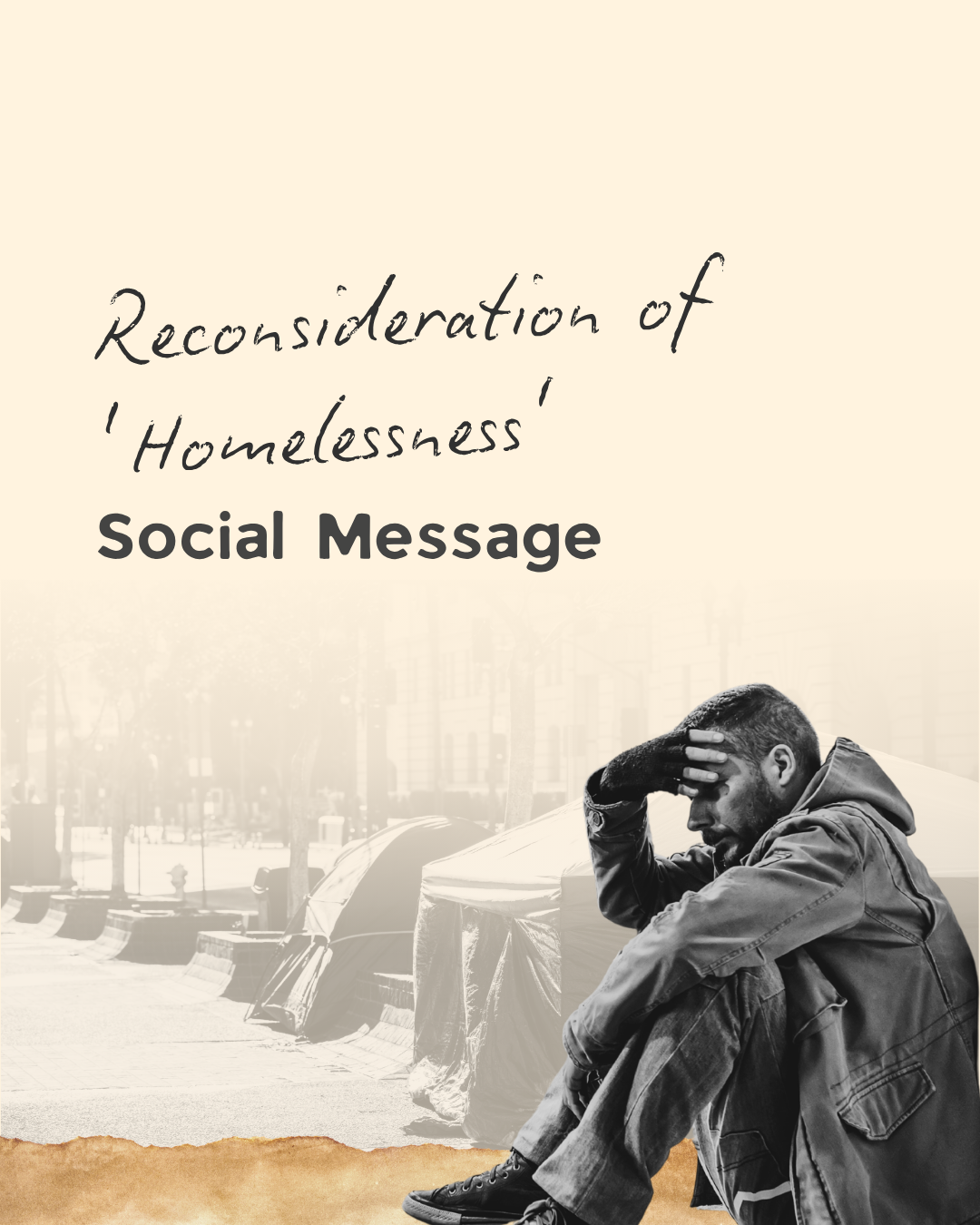
Reconsideration of ‘Homelessness’ social message

In 1990, the ELCA Church Council adopted the social message “Homelessness: A Renewal of Commitment.” You can read this official 1990 social message here. Since that time, much has changed in our experience and understanding of homelessness and housing insecurity in the United States.

Aware of these many changes, the ELCA Church Council has authorized a substantive reconsideration of two sections of the “Homelessness” social message, “with attention to contemporary and systemic issues affecting housing in the United States and impacting individuals experiencing homelessness.” The two sections are “Remembering the Reality” (pages 1-2) and “Walking with People Who Are Homeless” (pages 2-3).Reconsideration of a social message is a formal process in which the whole church is invited to participate. While this reconsideration for revision may lead to substantive changes, there is no pre-determined outcome for the process.

A draft version of the reconsidered social message is now available for public comment. A survey will be open from August 4 to November 30, 2026.

To download the draft social message, click here

To complete the survey, click here

Large Print

Marked Draft Social Message

Frequently Asked Questions

God’s Work Our Hands Sunday

On September 13, congregations across the ELCA will participate in “God’s work. Our hands.” Sunday, our annual day of service.

Across Nevada and throughout the church, Lutherans will pack food boxes, assemble hygiene kits, serve meals, clean up neighborhoods, visit neighbors, and support ministries doing incredible work in their communities.

This work matters.

But as Lutherans, we are also called to ask the deeper questions.

Why are our neighbors hungry in the first place?

Why are families struggling to find affordable housing?

Why are people losing access to health care?

Why are immigrants and refugees afraid?

Why are so many of our neighbors struggling just to make ends meet?

Packing a food box helps our neighbor today. Advocacy asks why our neighbor needed that food box in the first place, and what we can do together so fewer people need one tomorrow.

That is where service and advocacy meet.

This “God’s work. Our hands.” Sunday, Lutheran Engagement and Advocacy in Nevada encourages congregations to add one simple advocacy action to whatever you are already doing.

Write postcards to your elected officials. 

Set up a table after worship and invite people to share why hunger, housing, health care, immigration, education, creation care, or another issue matters to them.

Connect your service project to the larger issue. 

If you are collecting food, spend a minute talking about SNAP and hunger. If you are assembling hygiene kits, talk about housing and homelessness. If you are supporting immigrants and refugees, share what is happening in our immigration system.

Invite a lawmaker to see your ministry. 

Show them your food pantry, community meal, shelter partnership, refugee ministry, or other outreach. Let them hear directly from the people doing this work and the neighbors you serve.

Help people participate in our democracy. 

Set up a nonpartisan voter information table. Help people check their registration, learn about what is on their ballot, and make a plan to vote.

And pray. 

Pray for our neighbors. Pray for our communities. Pray for those who serve in public office. Pray for those whose voices too often go unheard.

But let us not stop with prayer.

Take one next step.

Write the postcard.
Make the phone call.
Attend the town hall.
Register to vote.
Learn about an issue.
Tell the story of what your congregation is seeing in your community.

Because our hands can pack food boxes and write postcards.

Our hands can serve meals and register voters.

Our hands can welcome our neighbors and advocate for policies that protect their dignity.

This September 13, let us put our faith into action—not only through the ways we serve our neighbors, but through the ways we stand with them.

God’s work. Our hands. Our voices.

LEAN would love to help your congregation connect your “God’s work. Our hands.” project with advocacy, local partners, and issues affecting our Nevada neighbors. Reach out to Pastor Paul Larson to get connected.